Fox sold its entertainment empire to Disney in 2019 for $71 billion.
Six years later, it's paying $22 billion to get back into streaming - and the market hated it.
Fox shares dropped 16% Monday on the news, hitting a 52-week low, then slid another 4% Tuesday.
The Deal
Fox isn't buying a streaming service. It's buying the platform that everyone else's streaming services run on.
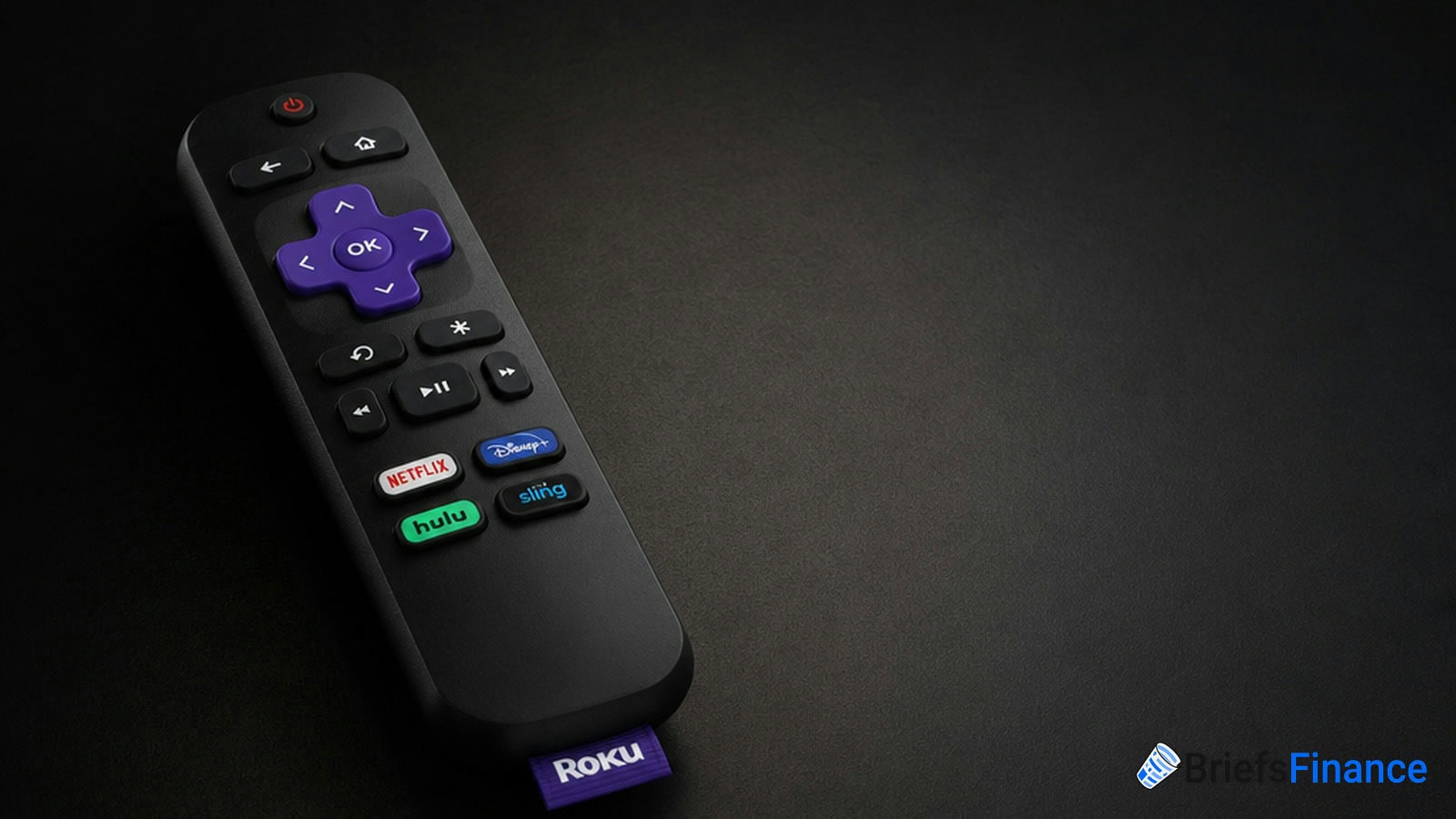
Roku is the top streaming hardware maker in the US, with more than 100 million global streaming households through its devices and smart TVs.
Every time someone opens Disney+, HBO Max, or other ad-supported apps on a Roku, the company takes a cut of the ad revenue.
Most streamers make money from subscriptions. Roku makes money from ads - both on its own free channel and on every other app running through its hardware.
The deal also hands Fox the Roku Channel, a free, ad-supported streamer with a growing audience.
Pair that with Tubi - the free service Fox bought for under $1 billion in 2020 and grew into one of the top free streamers in the US - and Fox's combined free streaming reach pulls ahead of Disney+, Hulu, and ESPN, based on MoffettNathanson estimates.
That vaults Fox into third place among US media companies for total viewing share, spanning broadcast, cable, local, and streaming.
We break down deals like Fox-Roku in Market Briefs every morning - what's actually happening and what to watch next. Comes with a free 45-minute investing masterclass when you join.
Why The Market Sold
Fox spent years on the sidelines while every other legacy media company burned cash chasing Netflix. Now it's making the biggest bet in its history - on a platform, not on content.
That surprised investors who expected a smaller move, since Roku is a much bigger deal than anyone on Wall Street had penciled in.
Fox is funding the cash portion of the deal with about $8 billion in new debt plus cash on hand, while Roku shareholders also receive Fox Class A stock as part of the consideration.
The bigger problem is what's coming next. The NFL is about to reopen its media rights talks, and Fox already pays around $2.25 billion a year for Sunday NFC games and Super Bowls.
Analysts expect that bill to climb, leaving Fox with new debt from Roku, more debt from football, and a tech-heavy business outside its comfort zone.
The long view: Fox now owns the platform, the viewer data, and the ad system - three things its legacy peers don't.
What To Watch
The deal is expected to close in the first half of 2027, pending regulators.
Two things matter most from here. The first is the NFL talks - how much Fox pays will tell investors whether the Roku deal stretched the balance sheet too thin.
The second is Walmart's Vizio business. Walmart bought the smart TV maker in 2024 and has been slow to push it, but if Walmart starts pushing Vizio devices through its more than 4,600 US stores, Roku's grip on the living room weakens.
Fox spent six years out of the streaming fight. It just jumped in with both feet.
Sign up for Market Briefs here for the daily read on what's moving markets - plus a 45-minute investing course as a free bonus.