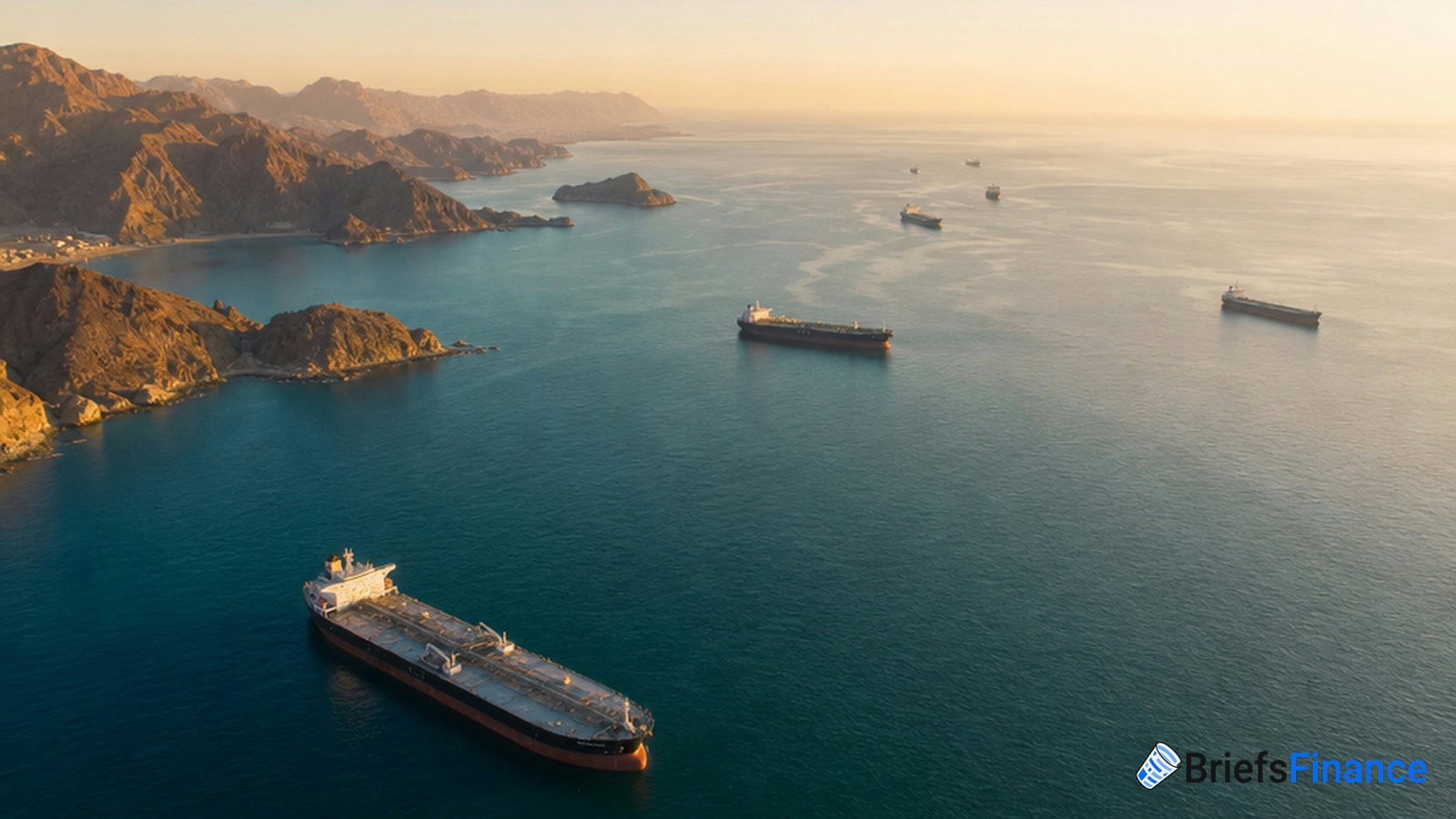
A 14-point memo between the US and Iran started leaking this week. It caps weeks of negotiations and is expected to be formally signed June 19 in Switzerland.
Oil markets are paying close attention.
What's In The Memo
A draft text has been circulating, and Bloomberg and other outlets have now published the 14 points. They cover the big issues - ending the war between the US and Iran, reopening the Strait of Hormuz, sanctions relief, and nuclear limits.
The 14 points reportedly cover an immediate halt to hostilities on all fronts (including Lebanon), the reopening of the Strait of Hormuz within 30 days, the right for Iran to resume oil exports immediately, access to a $300 billion economic development program, eventual release of frozen Iranian assets, and a commitment that Iran will never pursue a nuclear weapon.
The deal is an interim memorandum of understanding that triggers a 60-day window to negotiate a final agreement. Iran gets sanctions relief and financial incentives in exchange for reopening Hormuz and accepting limits on its nuclear program.
The memo is set to be signed in Switzerland, with representatives from Qatar and Pakistan also attending. Neither side publicly confirmed how close a deal was until drafts started circulating this week.
The timing matters. Oil prices have been jumpy all year, and any sign that Iranian crude could flow again - or that the Strait of Hormuz reopens to full traffic - sends ripples through the market right away.
Iran's last major nuclear deal - the JCPOA in 2015 - coincided with Brent crude falling sharply over the following months, though other supply factors were also at play. Traders remember that move.
Stories like this tend to move markets before most investors see them. Market Briefs breaks down what actually matters every morning - plus a free investing class when you join.
Why Investors Care
Iran holds roughly 12% of the world's proven oil reserves. Sanctions have kept much of that crude off Western markets for years, though Iran has continued exporting significant volumes to China.
Analysts estimate Iran could ramp exports by 1-2 million barrels per day in a full deal scenario. That would push global supply 1-2% higher relatively quickly.
A deal could open those taps. More Iranian oil means lower prices at the pump - which ripples through almost every part of the economy.
Lower fuel prices help airlines, truckers, and shipping firms. They also shrink margins for US oil producers who've gained from blocked Iranian supply.
Cheaper fuel means cheaper shipping. That lowers costs for stores, factories, and shoppers all at once.
Refiners and big oil firms could feel the squeeze first, with small drillers feeling it even more due to higher break-even costs. Airlines and shippers, on the other hand, would catch a tailwind.
Defense stocks tend to move the other way. Less tension in the Middle East usually means less pressure on defense spending - though that link has loosened as tensions have shifted to other spots.
What To Watch
Three things to track:
- The official signing on June 19 in Switzerland, and whether it actually happens
- The response from Congress - any deal needs political cover to hold
- The oil tape - that's where traders price in the odds in real time
A 14-point memo doesn't mean a 14-point deal. But it opens a 60-day window for both sides to hammer out a final agreement - and that's further along than they've been in years.
Join 350,000+ investors reading Market Briefs for a five-minute take on the news that moves markets - plus a free 45-minute investing course while you're at it.