Chile spent most of 2025 quietly winning the inflation fight, with annual price growth falling below 3% in January for the first time in five years.
Then oil prices spiked just as the new government pulled away the safety net, and April's reading is what that collision looks like.
Why Pump Prices Pushed CPI Higher
Chile's April CPI rose 1.3% month-over-month, up from 1.0% in March, with two pressures hitting drivers in the same month.
Brent crude was trading above $100 a barrel as the Iran conflict dragged on, well above pre-war levels.
President José Antonio Kast's government also ended the MEPCO fuel program in late March, after years of using it to smooth pump prices.
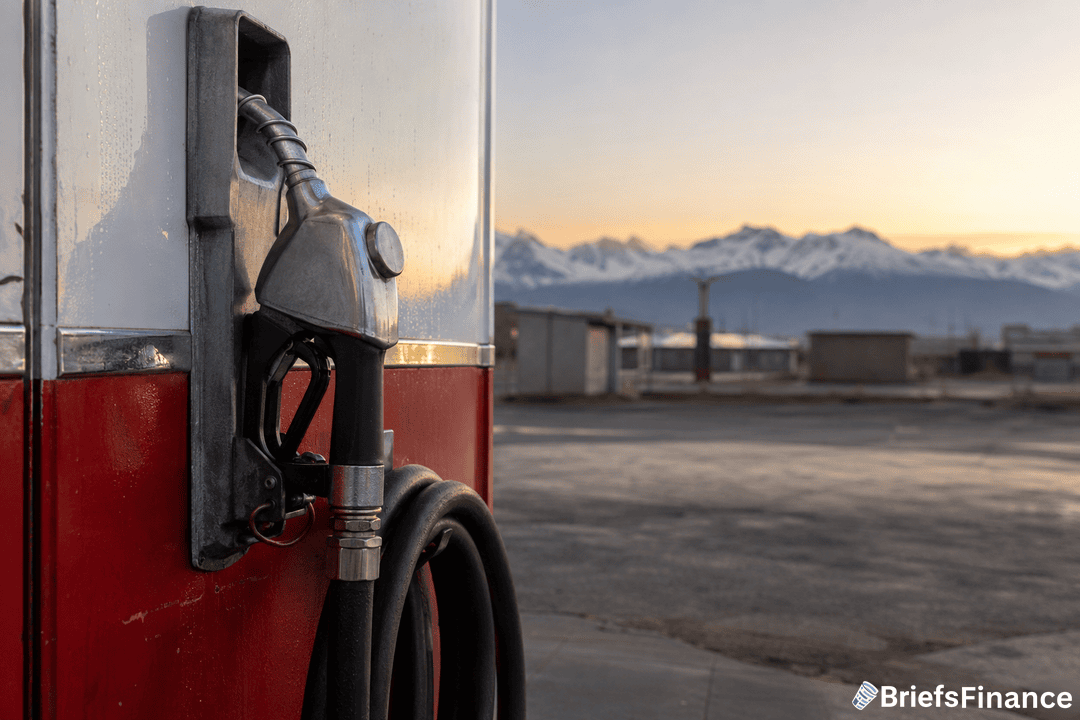
When the subsidy went away, global oil prices flowed straight to gas stations, sending gasoline up 8.2% in March alone and diesel up 12.8%.
April's reading captured the rest of that pass-through, with Scotiabank estimating that fuel alone added more than a percentage point to the month.
If you're trying to make sense of how government policy and global oil prices ripple into your portfolio, Market Briefs breaks it down every weekday morning - and joining gets you a free 45-minute investing masterclass on top.
Rate Cuts Are Off The Table
Chile's central bank has held its policy rate at 4.5% since January, and analysts say further easing is now off the table after April's reading.
Before April's number landed, the bank had already backed off plans for a new cut after Middle East tensions pushed oil prices higher in March.
The bank also trimmed its 2026 growth forecast to 1.5-2.5%, down from 2.0-3.0%, in a sign that policymakers see a slower year ahead even before fuel pressure fully passes through.
Financial operators surveyed by Diario Financiero now project inflation at 4.9% over the next twelve months, almost two points above the official 3% target.
What To Watch
The political math is what observers will be debating, since Kast framed the subsidy removal as fiscal discipline aimed at cleaning up a deficit left by the previous government.
The timing made the change land like a tax hike on Chilean households as global oil prices kept climbing into April.
If oil stabilizes, Scotiabank thinks fuel could start subtracting from CPI by May, easing pressure on next month's reading.
If it doesn't, Chile is staring at 5% inflation under a president who campaigned on austerity and stability.
Chile's last inflation surge of this size came in 2022, when the global energy shock from the war in Ukraine pushed prices higher across most of Latin America.
The country spent the past few months on the right side of that story, and April put it back on the wrong side.
For the kind of read on global moves like this you actually use, join 350,000+ investors getting Market Briefs - and you'll get a free investing masterclass thrown in when you sign up.