Free NewsletterPro Login

CFTC Launches First Review of Foreign Trading Platforms Since 2008

Published Jun 16, 2026
Share:
Summary:
  • The CFTC launched its first formal review of foreign board of trade designations since the registration rules were finalized in late 2011.
  • Roughly two dozen overseas exchanges, including the London Metal Exchange and Tokyo Commodity Exchange, currently hold FBOT status allowing direct access for US traders without a US license.
  • If the review results in direct registration requirements, affected foreign venues would face the same operational, reporting, and capital rules as US-based exchanges like CME Group.

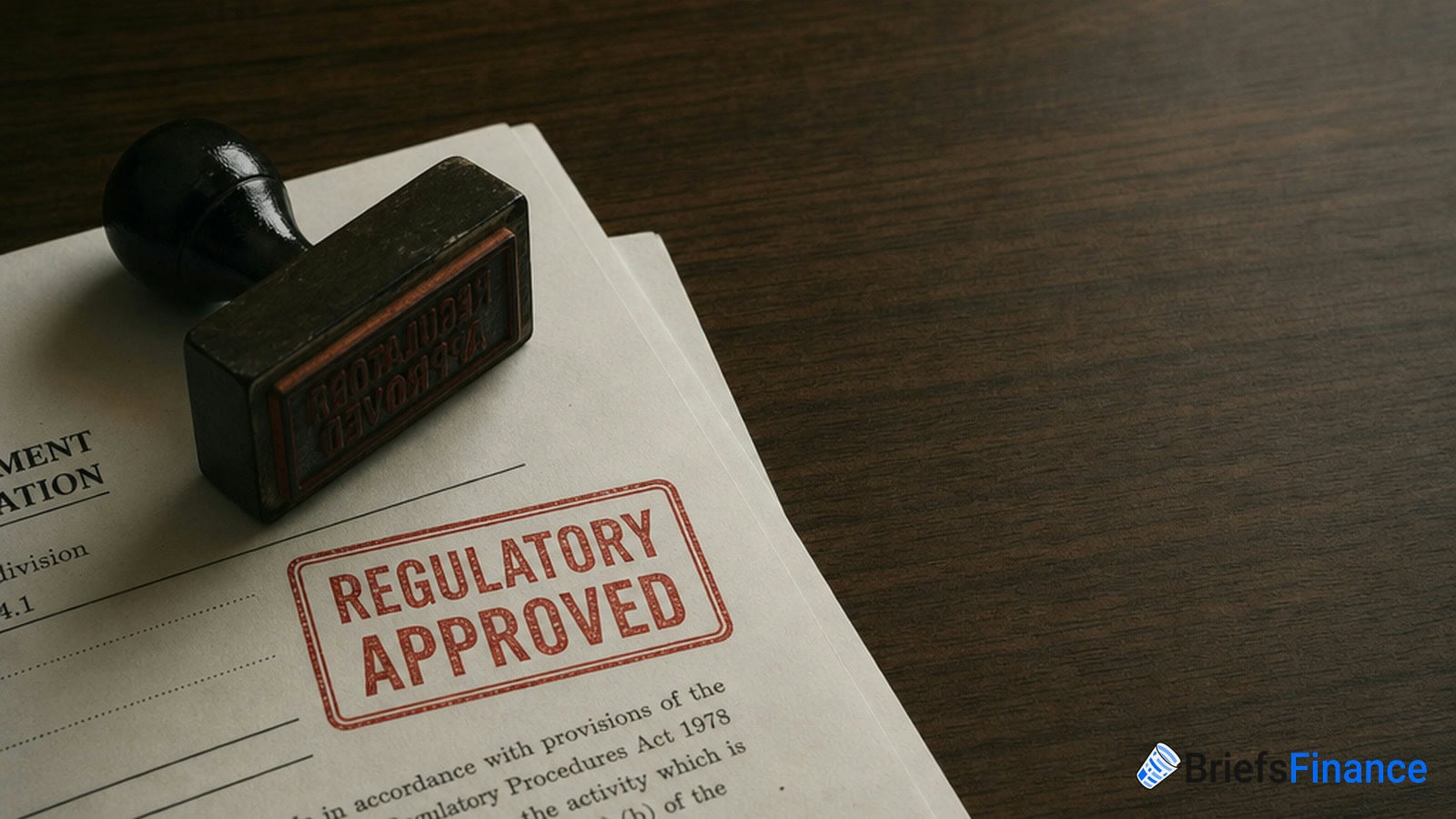
For roughly 15 years, a small group of foreign exchanges have had a quiet way to let US traders in - no US license required, just a stamp from the CFTC saying the home regulator could be trusted.

That stamp is finally getting a second look, as the Commodity Futures Trading Commission launches its first formal review of foreign trading platforms with direct US access since the system was built after the 2008 financial crisis.

What An FBOT Designation Actually Does

About two dozen foreign exchanges hold something called an FBOT designation, short for foreign board of trade.

The label lets an overseas exchange plug US traders into its electronic systems directly, without applying for its own US license.

The deal works like this: the exchange's home country regulator signs an information-sharing agreement with the CFTC, and the home country's rules get judged as roughly equal to US ones.

In return, US-based traders can route orders straight into a venue overseas - a setup that has handled growing volumes for years as global trading hours expanded and overseas commodities markets deepened.

Market Briefs breaks down which regulatory moves actually matter for investors - in five minutes a day, plus a free investing masterclass thrown in when you join.

Why The CFTC Is Looking Now

This is the first formal review of that system since it came out of the Dodd-Frank Act - the 2010 law that rewrote large parts of US financial rules - meaning the framework has not had a top-to-bottom look since the FBOT registration rules were finalized in late 2011.

Some inside the agency have started raising questions about how well the oversight is working, especially at venues with bigger groups of US traders.

Those concerns are why the CFTC plans to meet with exchange leaders and clearinghouses as part of the review.

The review isn't aimed at any specific exchange, but it may end with the regulator asking some foreign venues to register directly with the US.

What To Watch

The list of FBOT-designated exchanges reads like a who's who of global commodities trading.

The London Metal Exchange - nearly 150 years old - is on it, alongside the Tokyo Commodity Exchange and Singapore-based Abaxx Exchange, which got the CFTC's sign-off in November as the most recent addition.

If the review ends with some of those venues being asked to register directly with the CFTC, that means a bigger rulebook to follow than what they have now.

Direct registration would put foreign exchanges under the same operational, reporting, and capital rules as US-based venues like CME Group - a meaningful compliance lift that could reshape how some of them serve American traders.

It would also mark the first real change to how US traders reach foreign markets in over a decade.

For now, the agency is starting with conversations - any new requirements would come after that.

Want to know which Washington stories are worth your attention? Join Market Briefs for the morning rundown and a 45-minute investing course as a bonus.

Disclosure

Get Market Briefs delivered to your inbox every morning for free!

No fluff. No noise. No politics. Just finance news you can read in 5 minutes.

Blogs

June 16, 2026
Tech Stocks: A Simple Guide for New Investors
  • Tech stocks are companies in the information technology and related sectors, from software to chips to the internet giants.
  • They've driven much of the market's growth, but they can be volatile and richly valued.
  • The smart approach is to understand what you own and not let one sector run your whole portfolio.
Read More
June 16, 2026
What Is a Joint Stock Company? A Simple Guide
  • A joint stock company is a business owned by many people, each holding shares of stock that represent a slice of ownership.
  • It's the basic idea behind every public company you can buy on the stock market today.
  • Owning a share makes you a part-owner, entitled to a piece of the profits and growth.
Read More
June 16, 2026
Capital Gains Tax in California: A Simple Guide
  • Capital gains tax is what you owe when you sell an investment for more than you paid for it.
  • How long you held it matters: long-term gains are taxed more gently than short-term gains at the federal level.
  • Smart investors lower the bill with tools like tax-loss harvesting and holding for the long run.
Read More
June 15, 2026
Top Covered Call ETFs: How to Compare Them
  • Top covered call ETFs are income funds that own stocks and sell call options against them to generate steady cash.
  • The best one for you is the fund whose income, holdings, and fees fit your goals, not simply the one with the flashiest yield.
  • They all share one trade-off: more income today, less upside in a big rally.
Read More
June 15, 2026
What Are Stock Options? A Plain-English Guide
  • Stock options are contracts that give you the right, but not the obligation, to buy or sell a stock at a set price by a set date.
  • There are two kinds: calls (the right to buy) and puts (the right to sell).
  • Options can multiply gains or wipe out your money fast, so they suit investors who already know the basics.
Read More
June 15, 2026
EBITDA Margin: What It Is and How to Calculate It
  • EBITDA margin measures how much core profit a company keeps from each dollar of sales, before interest, taxes, and accounting deductions.
  • The formula is EBITDA divided by revenue, shown as a percent.
  • A higher, steadier EBITDA margin usually signals a more efficient, more durable business.
Read More
June 15, 2026
What Is Taxable Income? A Simple Guide for Investors
  • Taxable income is the portion of your money the government can tax after deductions are applied.
  • Not all income is taxed the same: job income, investment income, and passive income face different rates.
  • Investors and business owners get more tools to legally lower their taxable income, which is a big edge over time.
Read More
June 15, 2026
What Is a Covered Call? How the Strategy Works
  • A covered call is an options strategy where you own a stock and sell someone the right to buy it from you at a higher price.
  • You collect cash, called the premium, up front, and keep it no matter what happens.
  • The trade-off: if the stock soars, your shares get sold at the set price and you miss the extra upside.
Read More
June 15, 2026
What Is Gross Margin? A Simple Guide for Investors
  • Gross margin is the share of each sales dollar a company keeps after paying the direct cost of whatever it sold.
  • The formula is simple: revenue minus cost of goods sold, divided by revenue, shown as a percent.
  • A steady or rising gross margin points to pricing power, and it is one of the first things smart investors check.
Read More
June 15, 2026
What Is a Dividend? A Plain-English Guide for Investors
  • A dividend is a cash payment a company sends you just for owning its stock, usually every three months.
  • Dividends are one of two ways stocks pay you, the other being the share price going up.
  • Dividends are never guaranteed, so the strength of the business behind the payment matters more than the size of the payment.
Read More
1 2 3 23
Share via
Copy link










