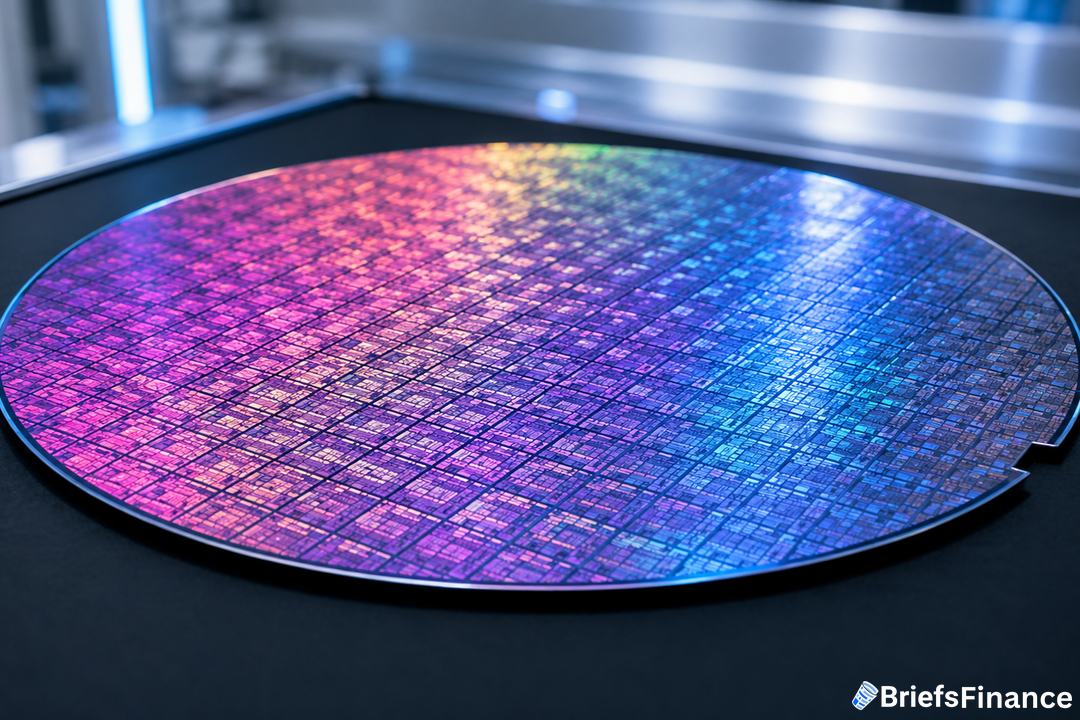
Cerebras opened at $350 on Nasdaq Thursday after pricing shares at $185 just hours earlier. The first public day was already the biggest one - and yet the filing tucks away a detail that usually kills an IPO before it can list.
One Customer Made Up 62% Of Revenue
A single UAE school - the Mohamed bin Zayed University of Artificial Intelligence - made up 62% of Cerebras's revenue last year. Add in Microsoft-backed G42, another UAE customer, and the customer mix gets even tighter.
Most companies tuck numbers like that into the risk section and watch buyers back away. Cerebras did it on the way to a $100 billion debut.
This isn't even the first time the deal nearly died over it. Cerebras filed to go public in 2024 and pulled the filing a little over a year later after the prospectus came under heavy scrutiny over its reliance on G42.
The company refiled this April with a wider customer mix - 24% from G42 last year, down from 85% the year before. Revenue jumped 76% to $510 million in 2025, and the company swung from a $481.6 million loss to $88 million in profit.
CEO Andrew Feldman put it plainly to CNBC: "There's some whales out there, there's some really big customers. That is one of the characteristics of this market."
If you want plain-English breakdowns of moves like this every morning, join Market Briefs - five minutes a day, with a free investing masterclass when you sign up.
The AI IPO Pipeline Is Stacked
The U.S. had only 31 tech IPOs in 2025, down from 121 four years earlier. Cerebras just raised $5.55 billion in one offering.
The line behind it is long. Elon Musk's SpaceX - fresh off its February merger with xAI - is preparing a share sale, while OpenAI and Anthropic could go public later this year.
Cerebras was the test balloon, and it floated.
The company is also using the listing as leverage, moving away from selling hardware boxes and toward cloud access to its chips. That puts it head-to-head with Google, Microsoft, Oracle, and CoreWeave.
A $20 billion cloud deal with OpenAI signed in January runs through 2028. Amazon Web Services is now putting Cerebras chips inside its data centers, and both Amazon and OpenAI hold warrants on the stock.
Nvidia Is Already Responding
Cerebras's pitch is that its chips beat Nvidia's on speed and price because of how they're built. Nvidia noticed - in December it paid $20 billion for assets from a similar startup called Groq, then rolled out Groq-based products months later.
Investors aren't waiting around. The VanEck Semiconductor ETF - a basket of chip stocks - is up 58% this year, with Intel, AMD, and Micron all posting triple-digit gains.
What To Watch
Cerebras is now priced for the AI boom to keep going. Two things will tell the story: whether customer mix shifts as the Amazon and OpenAI deals scale, and whether Nvidia lets Cerebras eat into its market without a fight.
The whales filled the tank - and now the company has to find more of them.
Sign up for Market Briefs for the daily read on the market plus a free 45-minute investing course as a bonus.