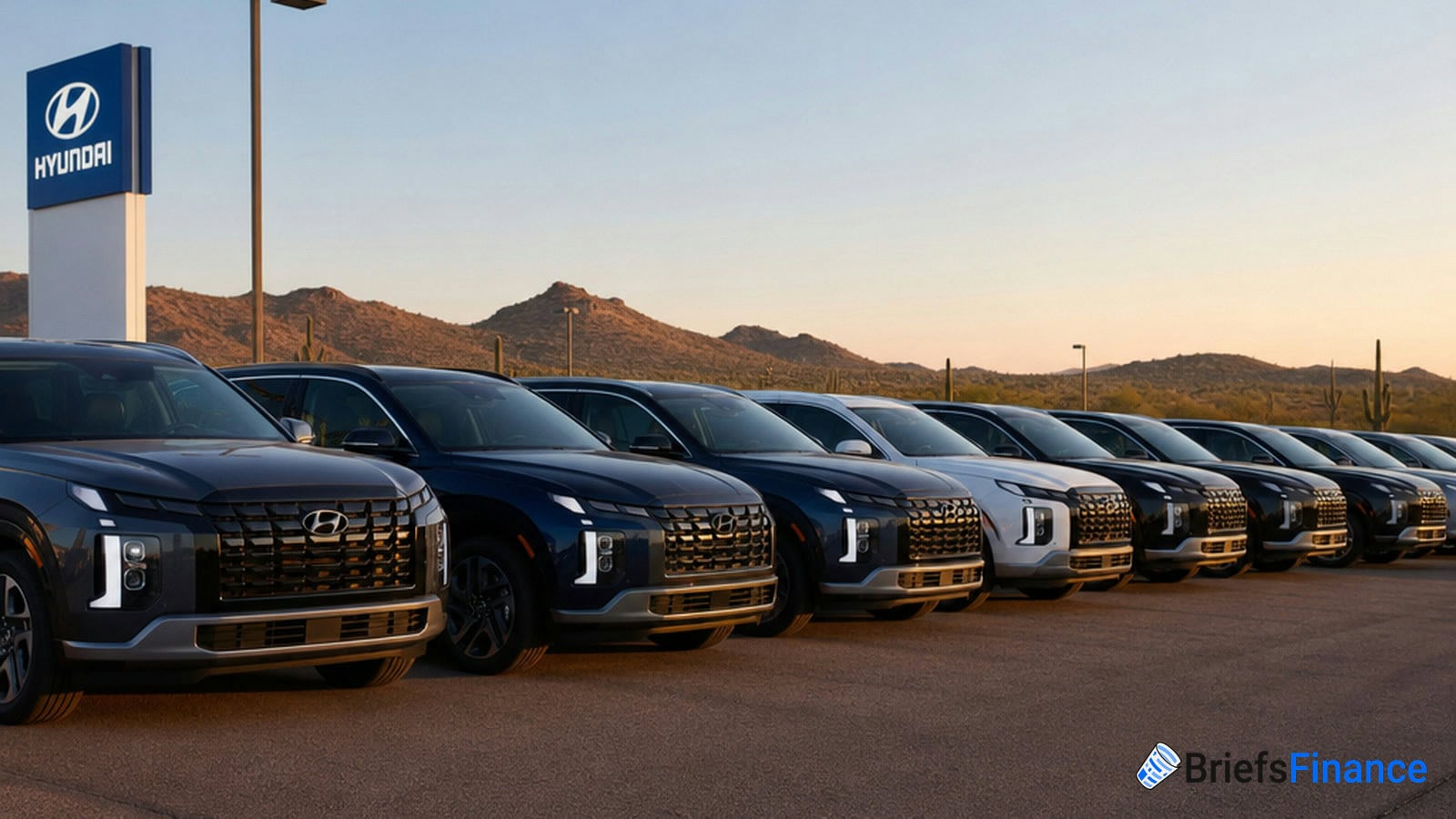
Carvana bought a Stellantis dealership in Casa Grande, Arizona last year. Before the deal, the store sold 30 to 50 cars a month.
Last month, it sold more than 700. That made it Stellantis' bestselling store in the entire country.
And it's just the start.
Carvana Is Quietly Buying Up Dealerships
Carvana built its name selling used cars online, with those giant car vending machines acting as pickup points. Now it's moving into new vehicles too.
The company has bought seven new vehicle franchises since last year, most selling Stellantis brands like Chrysler, Dodge, Jeep, and Ram.
The other stores are in Sacramento, San Diego, Dallas, Atlanta, Cleveland, and Boston.
The Arizona store's jump from 30-50 cars a month to over 700 has dealers paying attention, with one Wall Street analyst calling Carvana's move "one of the most disruptive forces that auto retailing has seen in the U.S. market in decades."
We cover the moves reshaping industries before they hit the front page in Market Briefs - five minutes a day, plus a free investing masterclass when you sign up.
Why Dealers Are Rattled
The U.S. has nearly 17,000 franchised dealers selling $1.3 trillion in vehicles a year, and the system hasn't changed much in a century.
Carvana could change that quickly.
Owning new car franchises does three big things for the company:
- Opens a new revenue stream.
- Lets it buy used cars directly from new car customers.
- Gives it access to private auctions only open to franchised dealers - a big deal for stocking used inventory.
Dealerships are also protected by state franchise laws that block automakers from selling cars directly to customers. Tesla fought those laws for years.
Carvana is taking a different route - buying into the system instead of fighting it.
Then there's raw capacity. Carvana can fix up and resell 1.5 million vehicles a year but only sold around 600,000 last year.
That's a lot of room to grow without building anything new.
And it has the money to keep pushing. Carvana's market cap is north of $70 billion - more than Stellantis itself, the automaker whose cars it's now selling.
What To Watch
The big open question is parts and service. Carvana's vending machine locations don't have repair shops, while service work is where traditional dealers make their best money.
It's also the main reason customers come back.
If Carvana figures out service - through its new dealerships or its Adesa auction sites - it has every piece of the dealership business covered.
If it doesn't, current dealers still hold the long-term customer relationship.
Either way, the franchise model is under pressure, with Stellantis' own dealer council chair putting it bluntly: adapt or be irrelevant.
Stellantis already sells more cars through Carvana's Arizona store than anyone else's.
If you want this kind of read on the businesses changing fast, join 350,000+ investors reading Market Briefs - the daily newsletter is free, and you get a 45-minute investing course as a bonus.