Free NewsletterPro Login

Wall Street Now Sees Big Tech AI Spending Top $1 Trillion In 2027

Published May 1, 2026
Share:
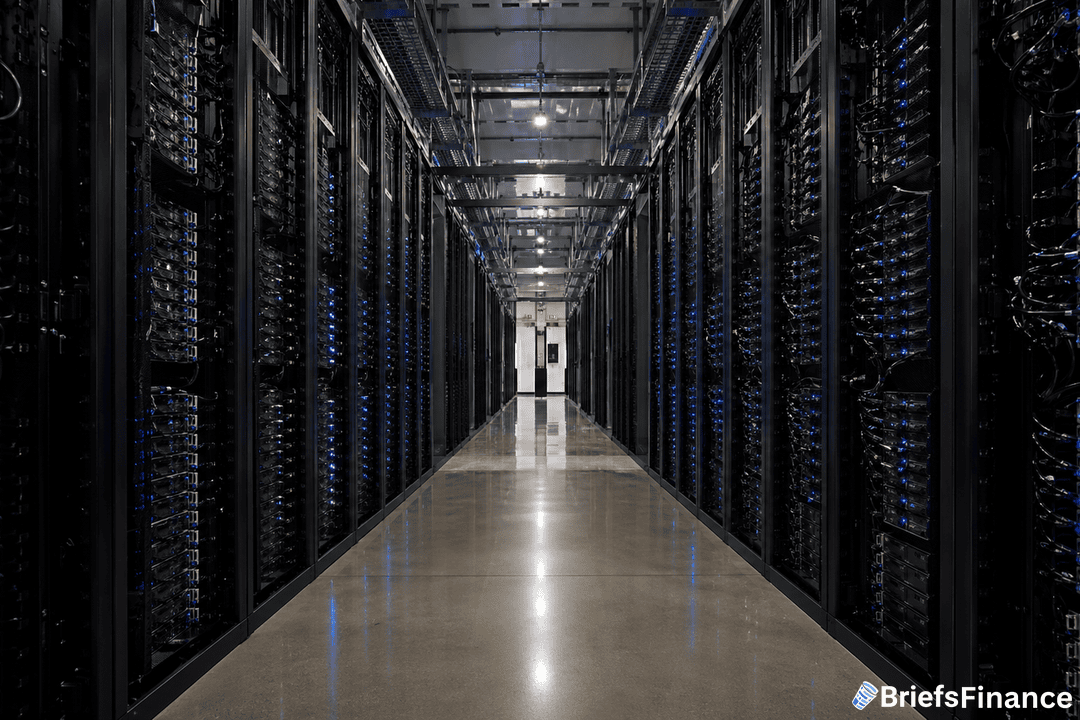
A brightly lit data center aisle lined with tall server racks on both sides; polished floor reflects the equipment.
Summary:
  • Evercore and Bank of America both raised their 2027 AI spending forecasts above $1 trillion after Wednesday's Big Tech earnings.
  • Microsoft lifted its 2026 capex plan by 24% to $190 billion, with Alphabet, Amazon, and Meta all moving higher too.
  • Google's cloud backlog grew 400% year over year to $462 billion, with about half set to turn into sales inside two years.

The case against the AI spending boom has been simple. Big Tech is pouring billions into chips and data centers without enough sales to back the bill.

This week's earnings made that case a lot harder to hold.

The Number That Changed The Story

Alphabet, Amazon, Meta, and Microsoft all raised their 2026 capex plans on Wednesday. CapEx is the cash a firm spends on long-term assets like buildings and gear. In this case, it's the chips and data centers that run AI.

Microsoft jumped the most. It lifted its plan by 24% to $190 billion. Alphabet went to $185 billion, Amazon to $200 billion, and Meta to $135 billion.

Bank of America now pegs 2026 spending at $800 to $900 billion across the group. Then analysts looked one year out, and the numbers got bigger.

Both Evercore and BofA pushed their 2027 forecasts above $1 trillion. Jefferies told clients spending keeps climbing because demand keeps outrunning supply.

Why Investors Stopped Asking About The Return

For months, the AI doubts came back to one question. Where is the cash going to come from?

Alphabet answered it on Wednesday. Q1 cloud sales rose 63% from a year ago, sending the stock up about 10% on the print.

CFO Anat Ashkenazi said the spending bump is needed to keep up with strong customer demand. Amazon CEO Andy Jassy said his firm is confident in the long-term capex bets it is making.

The bigger tell was the backlog. Google's pile of signed cloud deals roughly doubled from the prior quarter and ran 400% higher than a year ago, landing at $462 billion. BMO analyst Brian Pitz said the firm expects to book more than half of that as sales over the next two years.

Most of the backlog is tied to core Google Cloud deals. Pitz called it a "super-cycle" of demand that supports the rising capex plans.

Think of the backlog as orders already on the books. The chips and data centers being built today are the supply chain to deliver them.

Jefferies summed it up. Roughly $2 trillion of backlog now sits against $1 trillion of planned spending.

Meta Is Still Stuck In The Penalty Box

Not every name shared in the relief. Meta's stock fell about 8% after Mark Zuckerberg said next year's capex would land between $125 and $145 billion, up from a prior range that topped out at $135 billion.

Zuckerberg blamed higher memory chip costs. The bigger worry was free cash flow.

Meta brought in just $1.2 billion in free cash last quarter. A year ago that figure was $26 billion.

Free cash flow is the cash left over after a firm pays its bills and reinvests in the business. Jefferies said Meta would stay in the penalty box until the return on its AI bill gets clearer.

Meta spent $72 billion on capex in 2025. The new plan would nearly double that this year.

What To Watch

The chip and gear makers are the easy winners here. Intel just had a strong Q1 as the buildout pulled in demand for older chips, not just GPUs.

Evercore said custom chip programs from Google, Amazon, Microsoft, and Meta are seeing strong and growing demand. The shift is creating what one analyst called a CPU comeback as AI agents take on more business work.

RBC stayed positive on Nvidia, Micron, Marvell, Astera Labs, Arm, and Lattice. It also flagged solid setups for Broadcom, AMD, SanDisk, and Intel.

Google's contract pile is growing faster than the spending plans behind it.
Disclosure

Get Market Briefs delivered to your inbox every morning for free!

No fluff. No noise. No politics. Just finance news you can read in 5 minutes.

Blogs

April 29, 2026
What Is Blockchain? A Plain English Guide For Investors
  • Blockchain is a digital ledger that records every transaction on a public network.
  • Once a transaction is recorded, it cannot be changed or deleted.
  • It is the foundation of Bitcoin, Ethereum, and thousands of other cryptocurrencies.
Read More
April 29, 2026
How To Negotiate Bills: The Script That Saves You Hundreds A Year
  • Most monthly bills are negotiable, even though most Americans never try.
  • A simple phone call with the right script can lower your phone, internet, and utility bills.
  • The key rule is to be nice. Customer service reps have more flexibility than most people realize.
Read More
April 29, 2026
75 15 10 Rule: The Budget That Builds Wealth On Autopilot
  • The 75 15 10 rule is a budgeting plan: spend at most 75% of your income, invest at least 15%, and save at least 10%.
  • It works by making sure you pay yourself before you spend.
  • Once your savings target is hit, you shift the 10% over to investing, becoming a 75/25 plan.
Read More
April 29, 2026
How To Rebalance Portfolio: The Strategy That Forces You To Buy Low And Sell High
  • Rebalancing means adjusting your portfolio back to your target allocation when it drifts too far.
  • The two main methods are time-based (rebalance once a year) and threshold-based (rebalance when allocation drifts more than 5%).
  • If you are still adding money, you can rebalance by directing new money instead of selling.
Read More
April 29, 2026
How To Buy Treasury Bonds: A Beginner's Guide
  • Treasury bonds are loans you make to the U.S. government. They are considered the safest investment in the world.
  • You can buy them at TreasuryDirect.gov directly or through any major brokerage.
  • There are three main types: T-Bills, Treasury Notes, and Treasury Bonds. The longer the term, the higher the interest rate.
Read More
April 29, 2026
Forward Vs Futures Contracts: What's The Real Difference?
  • Both forward and futures contracts are deals to buy or sell something at a set price on a future date.
  • Futures trade on exchanges. Forwards are private deals between two parties.
  • Most regular investors do not use either. They are mostly tools for businesses and big institutions.
Read More
April 29, 2026
Alternative Investments Explained: What They Are And Why They Matter
  • Alternative investments are anything that is not a regular stock or bond.
  • The most common types are precious metals, crypto, real estate, commodities, and collectibles.
  • Most investors should hold 5% to 25% of their portfolio in alternatives, depending on risk tolerance.
Read More
April 29, 2026
How To Buy Bitcoin For Beginners: 3 Simple Ways
  • There are three main ways to buy Bitcoin: directly on an exchange, through a Bitcoin ETF, or through a Bitcoin miner stock.
  • Each has its own pros, cons, and tax setup.
  • Most beginners do best starting small and using dollar cost averaging.
Read More
April 29, 2026
How To Follow Smart Money: The 5 Market Shifts Framework
  • "Smart money" means big investors with deep research teams and fast information.
  • You can follow them by watching for 5 types of market shifts.
  • The goal is to spot where money is moving before it shows up on CNBC.
Read More
April 29, 2026
Insider Trading Meaning: What It Really Is (And Why Some Of It Is Legal)
  • Insider trading means buying or selling a stock based on facts the public does not know yet.
  • Some insider trading is legal. Some is a federal crime that can send people to prison.
  • The SEC tracks every legal insider trade in a public file called Form 4.
Read More
1 2 3 19
Share via
Copy link











