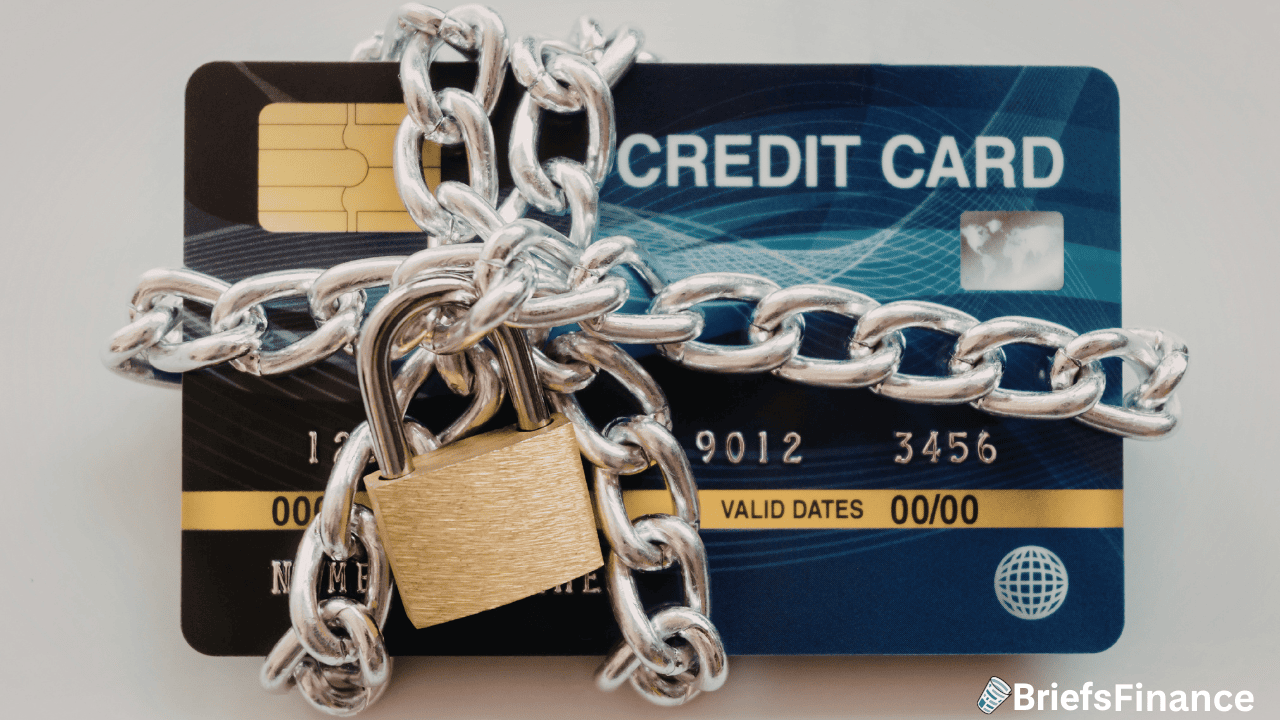
Your credit card company is doing something remarkable. They're earning a 20% annual return on your money, year after year after year.
And you're the one paying for it.
The average American household carries $6,200 in credit card debt as of late 2025.
If you invested that same $6,200 at age 21 and never added another penny - just let it grow at 20% annually - you'd retire with over $20 million.
But instead of building wealth, you're building someone else's wealth. Your credit cards are shackles holding you back from financial freedom.
So, if you’re looking to pay off your credit card debt fast, you need to bookmark this article.
We’re going to be breaking down the strategies, what you should consider, and leave you with an actual action play to get started.
When you’re done paying off your credit card debt - you’ll want to learn how to grow your money.
We’re finding unique investing opportunities that could outpace the S&P 500 on Market Briefs Pro.
Quick note: Do not subscribe to Pro if you still have credit card debt. You’ll want to read this article first and pay it down before you start investing aggressively.
Why Credit Card Debt Is Killing Your Wealth
Credit cards are tools. Like any tool, they can work for you or against you.
Used correctly, credit cards give you perks like:
- Cashback.
- Flight upgrades.
- Hotel rewards.
- Rental car benefits.
But here's the catch: Those rewards only benefit you if you're not carrying a balance.
If you're paying interest to earn rewards, you're not winning. You're paying for everyone else's rewards program.
The reality: Credit card debt prevents you from building any real wealth.
You're stuck in the payments game. Your income goes toward paying back yesterday's expenses instead of building tomorrow's freedom.
Here’s how you can break the cycle step by step and start growing your wealth.
Step One: Stop Using Your Credit Cards Right Now
If you have credit card debt, stop using the cards immediately.
Why? Because you're playing with fire. Every swipe adds fuel to a fire that's already burning your financial future.
Credit cards aren't the problem when you pay them off monthly.
But when you carry a balance, they become wealth destroyers.
Put the cards away. Not in your wallet. Not "just for emergencies." Away.
Step Two: Save Your First $2,000 Fast
Before you attack your debt, you need a small cushion.
Not a full emergency fund yet - just $2,000.
Why save before paying off debt? Because life happens.
Your car breaks down.
Your AC dies.
Your kid breaks their arm.
Without savings, you'll go deeper into debt when these things happen.
If you don't have $2,000 saved right now, you're in a financial danger zone. Get aggressive about finding this money fast.
How to Find $2,000 Quickly
Cut back hard on spending. If you don't have $2,000 saved, you shouldn't be eating at restaurants or going on vacations. That sounds harsh, but it's reality. Right now, you're in survival mode.
Sell your stuff. Look around your home. You have things collecting dust that could become cash. Take everything out of your closet and only put back what you've worn in the last six months. Everything else? Sell it.
Negotiate your bills. Call your service providers. Be nice but firm. Ask for lower rates on internet, phone, insurance. Customer service reps deal with angry people all day. Be kind and you'll get better results.
Build a financial report. Spend 60 minutes writing down every dollar you earn and spend. Use a Google sheet, Excel, or paper. You can't fix what you don't measure.
Step Three: Choose Your Debt Payoff Method
Once you have your $2,000 cushion, it's time to attack the debt. There are two main strategies, and honestly, both work. Pick the one you'll actually stick with.
The Debt Avalanche Method
Line up your debts from highest interest rate to lowest.
Pay the minimum on everything, then throw all extra money at the highest interest rate debt. Once that's gone, move to the next highest rate.
Pros: You'll pay less interest overall and get out of debt slightly faster.
Cons: If your highest rate debt has a large balance, it takes longer to see progress.
The Debt Snowball Method
Line up your debts from smallest balance to largest. Ignore interest rates. Pay minimums on everything, then attack the smallest debt first.
Pros: Quick wins give you psychological momentum. You see debts disappear fast.
Cons: You might pay slightly more in interest over time.
Which One Should You Choose?
The one you'll actually follow through on.
If you need quick wins to stay motivated, use the snowball method. If you're disciplined and want to save every possible dollar on interest, use the avalanche method.
The worst strategy is the one you give up on halfway through. Be honest with yourself about what will keep you going.
💳 Credit Card Debt Payoff Calculator
Compare the Snowball vs. Avalanche method and see how fast you can be debt-free
❄️ Debt Snowball
⛰️ Debt Avalanche
📅 Your Payoff Order (Avalanche)
Step Four: Find More Money to Attack the Debt
Now you have a method. Next, you need ammunition.
Here's how to find more money to throw at your debt:
Slash your spending. Go back to your financial report. Find places to cut. Every dollar you don't spend is a dollar that kills your debt faster.
Earn more money. In the next phase of building wealth, you'll focus on increasing income. But for now, consider side gigs or overtime if available.
Stop financing things. No more 0% APR offers. No more "buy now, pay later" (or as we call it, "broke now, broke later"). If it's not putting money in your pocket, don't go into debt for it.
Understanding 0% APR and Buy Now, Pay Later Traps
These sound great in theory. Free money, right?
Wrong.
There's always a cost to borrowing. When businesses offer 0% APR or buy now, pay later, they're betting on two things:
- You'll buy more stuff because you don't feel the pain of paying.
- You'll miss a payment and get slapped with 25% interest retroactively.
These programs are profitable because they prey on human psychology. Don't fall for it.
What "Afford" Actually Means
Most Americans think "afford" means "I can make the monthly payments."
That's not what afford means.
Afford means you can buy it comfortably with cash without worrying about the price.
Here's a helpful rule: The Rule of Five.
If you can't buy five of them, you can't afford one.
Want a $100 shirt? Can you afford five $100 shirts - $500 total - without stress? No? Then you can't afford the shirt.
This rule applies to non-necessities. Things you want, not things you need to survive.
Credit Cards Are Tools, Not Traps
Here's the truth: credit cards aren't evil. They're tools. Used correctly, they're powerful.
The right way to use credit cards:
- Pay them off every single month.
- Never carry a balance.
- Treat them like cash, not free money.
- Use them only as a medium of exchange, not credit.
The wrong way to use credit cards:
- Carrying any balance at all.
- Paying interest for rewards.
- Buying things you can't afford with cash.
- Treating available credit as available money.
Your Action Plan Starting Today
- Stop using your credit cards immediately. Cut them up if you have to. Remove them from online accounts. Make it impossible to use them impulsively.
- Build your financial report today. Spend 60 minutes documenting every dollar. Know where your money goes.
- Find your first $2,000. Cut spending, sell stuff, negotiate bills. Make this your obsession until you have it.
- Choose your method. Snowball or avalanche. Pick one and commit.
- Attack the debt relentlessly. Every extra dollar goes toward killing the debt. No exceptions.
- Talk to your spouse or partner. Money fights kill relationships. Get on the same page about spending and debt payoff.
The Real Cost of Waiting
Every month you wait costs you money. At 20% interest on $6,200 of debt, you're paying about $103 per month in interest alone.
That's $1,236 per year going straight to your credit card company.
Over ten years? That's $12,360 in interest - almost twice your original debt.
But here's what hurts more: That's money you could be investing. Money that could be growing and building your wealth. Instead, it's building someone else's wealth.
Why This Matters Beyond Money
Credit card debt isn't just a math problem. It's a freedom problem.
When you're in debt, you're playing the payments game. Your job is to earn money to pay back yesterday's expenses. You're running on a treadmill, working hard but going nowhere.
Financial freedom means your money works for you. But that can't happen when all your money is chained to debt payments.
The Bottom Line
Paying off credit card debt fast requires one thing: getting aggressive.
Stop using the cards.
Save $2,000 for emergencies.
Choose a payoff method and attack the debt with every extra dollar you can find.
Cut spending. Sell stuff. Negotiate bills. Stop financing things you don't need.
The credit card companies are earning 20% on your money.
It's time to take that power back and start earning 20% for yourself instead of paying it to them.
Your future self will thank you for starting today.
After your debt is gone, you might be ready to build wealth.
Don’t know where to start? Our analysts put together an easy to read and short investing report every week.
This report breaks down new potential investing opportunities that the market might be overlooking right now.
Subscribe to Market Briefs Pro to read our full reports right now.