When you buy stock in a company like McDonald's, Amazon, or Tesla, you're not just buying a piece of paper. You're becoming a shareholder - a partial owner of that business.
But what does that actually mean? And what can you do (and not do) as a shareholder?
Let's break it down.
But first - looking for potential stock market opportunities to invest in?
Our analysts are researching new stocks every week in Market Briefs Pro.
Subscribe to Market Briefs Pro here.
The Basic Definition of a Shareholder
A shareholder is anyone who owns at least one share of a company's stock.
When you purchase stock in a public company, you own a piece of that company. One stock equals one share of ownership. It's that simple.
There are thousands of public companies you can become a shareholder in - from tech giants like Apple to retail powerhouses like Walmart to automakers like Tesla.
What Does Being a Shareholder Actually Give You?
Being a shareholder comes with specific benefits and limitations. Here's what you get when you own shares in a company:
1. You Participate in the Company's Growth
As a shareholder, you benefit when the company does well.
If the business makes more money and grows, the share price typically increases. You participate in those earnings and potential gains.
This is how investors build wealth over time - by owning pieces of companies that grow and succeed.
2. You Get Voting Rights
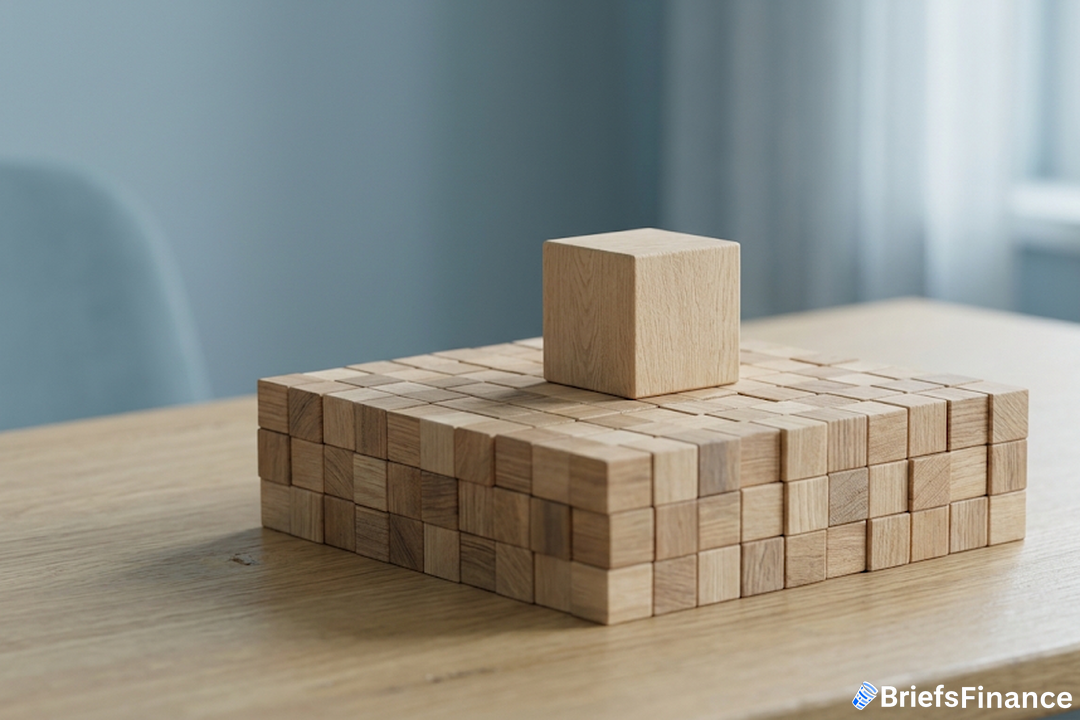
Shareholders get to vote in shareholder meetings. The more shares you own, the more voting power you have.
This means you have a say in major company decisions, though realistically, individual retail investors with small positions don't have much influence compared to institutional investors who own millions of shares.
3. You May Receive Dividends
Some companies pay dividends to shareholders. A dividend is a portion of the company's profits paid out to owners, usually on a quarterly basis.
Not every company pays dividends. Growth companies typically reinvest all their profits back into the business.
More mature companies like Coca-Cola or 3M often pay consistent dividends to shareholders.
Important note: dividends are not guaranteed. A company can pay dividends for years and then choose to stop if business conditions change.
What You Can't Do as a Shareholder
While you are technically a partial owner of the company, your ownership is on paper only.
You cannot walk into a McDonald's restaurant and tell employees what to do just because you own McDonald's stock.
You can't walk into a Coca-Cola office and demand they change their recipe.
You don't manage the company on a day-to-day basis. That's the job of executives, managers, and employees.
This is an important distinction. You own shares, but you don't control operations.
How Shareholders Make Money
There are two primary ways shareholders profit from their ownership:
Price Appreciation
This is when the stock's market price increases over time. If you buy a share at $50 and it rises to $150, you've made money through price appreciation.
You only realize this gain when you sell the stock. Until then, it's called an unrealized gain.
The beauty of price appreciation is that it compounds.
A stock that grows 20% one year and another 20% the next isn't up 40% total - it's up 44% because the second year's growth builds on a larger base.
Cash Flow (Dividends)
Some companies pay shareholders regular dividends from their profits. This creates passive income just for owning the stock.
For example, if you own shares in a company like Exxon Mobil that pays a dividend, you'll receive quarterly payments based on how many shares you own.
These payments add up, especially if you reinvest them to buy more shares.
The Intangible Nature of Share Ownership
One thing to understand about being a shareholder is that stock ownership is intangible. You're buying a paper asset, not something physical like real estate or gold.
This has pros and cons:
Benefits:
- Highly liquid (easy to buy and sell).
- Easy to value (just look at the current share price).
- No maintenance required.
- Participate in growth without running the business.
Drawbacks:
- No control over company decisions.
- Subject to market volatility.
- Prices can be influenced by announcements and external factors.
- Not a physical asset you can touch or use.
Stock prices can move quickly based on company announcements, government policies, or even CEO tweets. Remember when Elon Musk's tweets would send Tesla's stock price up or down? That's the reality of owning paper assets.
Why Companies Create Shareholders in the First Place
Companies go public and sell shares for several reasons:
To Raise Money: When companies do an IPO (initial public offering), they raise capital by selling shares to investors. Alibaba raised $21 billion in their IPO.
Facebook raised billions. This money funds business operations and growth.
For Publicity: Going public creates legitimacy. There's excitement around IPOs, and being a public company brings attention and credibility.
To Liquidate Equity: Early investors in private companies want to get paid back. Going public allows those early stakeholders to sell their shares and realize gains.
The Bottom Line on Being a Shareholder
Being a shareholder means you own a piece of a company. You benefit when it succeeds, you have voting rights, and you may receive dividends.
But you're an owner on paper only. You don't manage daily operations or control what the company does.
Your investment's value depends on the company's performance, market conditions, and investor sentiment.
Over time, patient shareholders who invest in quality companies have historically built significant wealth - but there are never guarantees in stock market investing.
Understanding what it means to be a shareholder is the first step in becoming a successful investor.
You're not just trading pieces of paper - you're buying ownership in businesses that create products, provide services, and drive the economy forward.
Find stocks that may be outpacing the S&P 500 this year by subscribing to Market Briefs Pro.