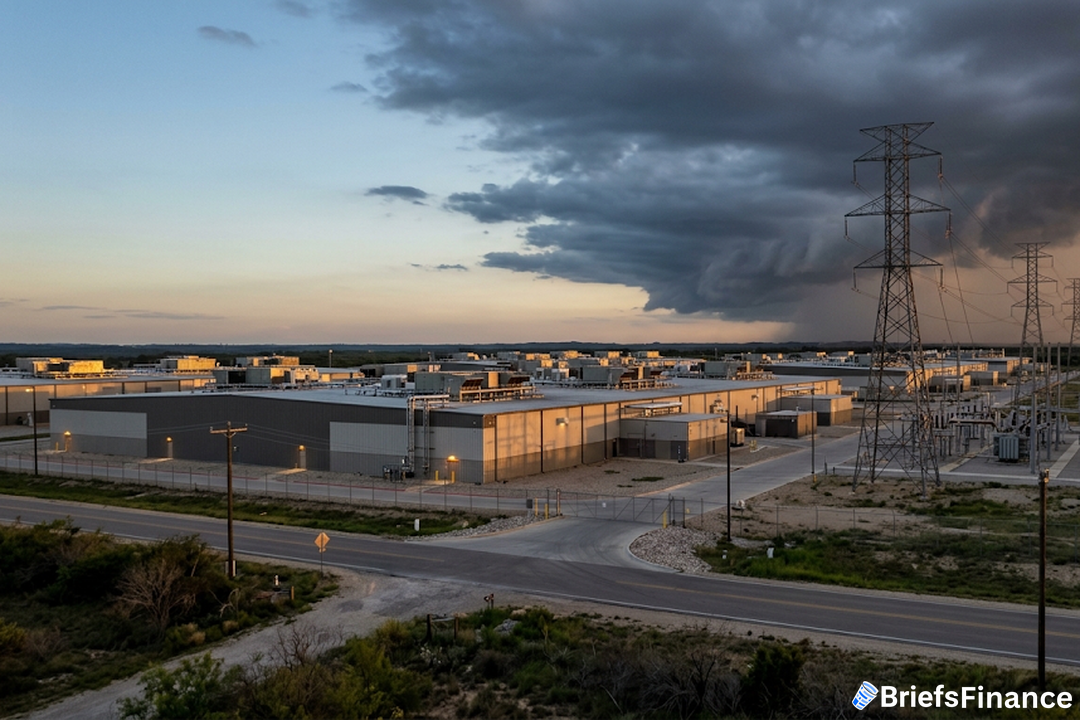
From cellphones to data centers, copper is a major part of nearly all electronics.
And as of 2025, the world is running out of copper…
Because almost every electronic needs copper to function, demand for it is exploding.
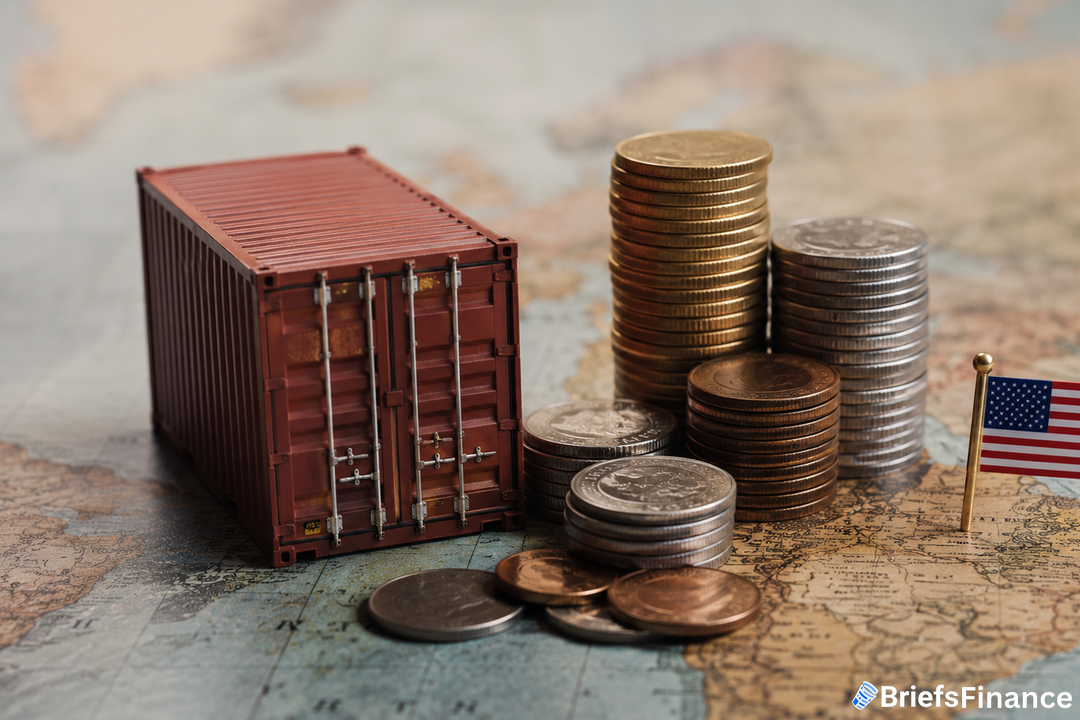
The International Copper Study Group estimates the copper market will hit a 150,000-ton deficit in 2026.
- That's roughly 330 million pounds of copper the world will need but won't have.
Our analysts have spoken to mining, minerals, and metals experts throughout 2025.
They all agree on one thing: A copper shortage is on the horizon.
While that might sound bad, it’s actually creating opportunities for investors to profit.
Below, we’ll show you why a copper shortage could be coming and what that means for investors in 2026, and beyond.
Before you go further: We covered this opportunity in-depth in our Market Briefs Pro weekly investment report earlier in 2025.
If you want the complete analysis with the full data and actual research on mining companies and profit strategies, subscribe to Market Briefs Pro here.
What's Driving the Copper Shortage?
Three major forces are creating this supply crunch:
Rising Demand Is Outpacing Supply
Data centers alone are consuming copper at record levels.
- AI infrastructure requires massive amounts of wiring and electrical systems - almost all of it depends on copper.
Electric vehicles need four times more copper than gas-powered cars.
EV adoption has been slow in the U.S., but is rising much faster in the rest of the world.
As EV adoption grows, so does copper demand.
The power grid is also getting upgraded nationwide.
- Transformers, switchgears, and transmission lines all require copper to function.
Geopolitical Tensions Are Pressuring Supply
In 2025, the U.S. put a 100% tariff on Chinese imports due to China's restriction of rare earth exports.
Why does this matter? China produces roughly 45%of the world's refined copper.
In addition, one of the largest copper-producing mines in the world, Cobre Panamá, closed in 2023 due to political turmoil.
The mine produced millions of pounds of copper annually - that supply is now off the market.
Mining Copper Is Getting Harder
Ore degradation is becoming an issue for copper miners.
What’s ore degradation? Simply put - more rocks need to be moved by mining companies to get to the copper itself.
This causes the copper to break down before it can be mined, creating bottlenecks in supply chains and making production more expensive.
The opportunity: Supply shortages of copper could be coming in the next 12-16 months. But we're still in the early stages right now.
But demand is still growing…
That means copper-related securities may be relatively undervalued compared to where they could be in a few years.
Investors who position themselves before the shortage hits mainstream awareness may be able to profit from rising copper prices and mining company growth.
How to Choose the Right Copper Stock
Before investing, you need to understand what separates winners from losers in this industry.
Here's what matters:
Production costs determine survival. When copper prices fall, companies with low production costs stay profitable.
High-cost producers have a higher likelihood of going bankrupt.
Look for companies that can mine copper profitably even when prices drop.
Geographic diversity reduces risk. Companies with mining operations in multiple countries protect against political instability, natural disasters, and regulatory changes in any single location.
Revenue beyond copper. The best mining companies don't just dig up copper - they also produce gold, silver, or other metals.
This diversification helps them weather copper price volatility, as they have other revenue streams to fall back on..
Debt levels. High debt can crush mining companies when commodity prices fall.
Lower debt means more flexibility to survive downturns and invest in growth.
With those factors in mind, let's look at the largest copper producer in the United States.
Freeport-McMoRan: The Largest US Copper Producer
The U.S. only produces roughly 6% of the world's supply of copper.
But over 60% of the U.S.'s supply of copper is produced by one company: Freeport-McMoRan (FCX).
Freeport-McMoRan has major copper mining installations throughout the U.S., and is expanding in South America and Indonesia.
If a copper shortage hits in the near future, Freeport-McMoRan will benefit as one of the only major producers of copper in America.
However, The company did face a major setback in 2025.
It had to shut down one of its mining operations in Indonesia earlier in 2025 due to a mudslide.
- This tragedy led to lives being lost and all contracted workers at the facility left without pay.
After the event, shares of the company fell by more than 22%.
But As of October 14th, 2025, Freeport-McMoRan has mostly recovered from its drop.
Want the full analysis? Our Market Briefs Pro report covers additional copper opportunities beyond Freeport-McMoRan, including infrastructure plays and global mining ETFs.
Get the complete research here.
Beyond Mining: Infrastructure Companies That Need Copper
Copper shortages don't just affect miners. They also create opportunities in companies that rely heavily on copper for their products.
If there's less copper in the world, it becomes more difficult for companies to buy the copper they need.
This causes two things to happen:
- Prices for products (particularly electronics) go up.
- Costs to produce those products go up.
But companies that produce critical infrastructure - like power grid equipment - may still benefit from a copper shortage.
Why? Because the world can't function without power. Even if copper gets expensive, utilities and data centers will pay whatever it costs to keep the lights on.
The ETF Approach: Diversified Copper Exposure
Not ready to bet everything on a single mining company? Investors do have some other potential options.
The Global X Copper Miners ETF (COPX) gives investors exposure to the global copper mining industry all at once.
This ETF tracks the Solactive Global Copper Miners Total Return Index and is weighted toward emerging market opportunities.
It contains 39 companies, including both global leaders in copper mining and smaller growth opportunities.
Each holding is fairly even among the 39 companies. This diversification reduces the risk of any single company collapsing due to accidents, political turmoil, or operational failures.
The Real Risks of Copper Investing
Here's what you need to know before considering an investment into copper miners:
China Controls the Copper Market
China is the biggest user and producer of copper in the world.
If stimulus or trade volatility hits China, it could slow demand and stretch out our current supply.
Less mining could lead to lower revenues for copper mining companies and lower returns for investors.
Tariffs Could Wreck Profit Margins
Raw copper imported into the U.S. is exempt from additional tariffs as of August 1st, 2025.
But many products that contain copper are not.
Semi-finished and intensive copper products (like pipes where copper is the main component) have a 50% import tariff rate from the U.S. as of August 1st, 2025.
Tariffs on production could limit supply further, impacting the bottom line of copper companies and other brands that use copper for their products.
Alternative Materials Could Replace Copper
Currently, there are no alternatives to copper. It's used because it's an exceptional electrical conductor and not as corrosive as other metals.
But as copper becomes scarce and expensive, scientists and institutions may develop alternative materials.
If they succeed, copper demand could fall.
Mining Accidents Are Part of the Business
Remember Freeport-McMoRan's 22% stock drop after the mudslide? That's not unusual in mining.
Accidents, natural disasters, and political instability are constant risks. Any single event can wipe out months of gains in a matter of days.
FAQ: Your Copper Investment Questions Answered
What is the best copper mining company to invest in?
Freeport-McMoRan (FCX) is the largest copper producer in the United States, controlling over 60% of U.S. copper supply.
The company also produces gold, providing diversification beyond copper.
However, "best" depends on your risk tolerance and investment goals. Always do your own research before investing.
Are copper mines a good investment?
Copper mines can be good investments if you believe demand will continue rising and supply will remain constrained.
However, they're extremely volatile and subject to geopolitical risks, production accidents, and commodity price swings.
This is a long-term, high-risk opportunity - not a guaranteed profit.
Which stock to buy for copper?
Freeport-McMoRan is a pure-play stock in this space - they mine copper directly.
For diversified exposure with lower risk, consider the Global X Copper Miners ETF (COPX), which holds 39 copper mining companies.
Your choice depends on whether you want concentrated exposure or broad diversification.
And ultimately , which stock to buy depends on your goals and risk tolerance.
What is the largest copper company in the US?
Freeport-McMoRan (FCX) is the largest copper company in the United States, producing over 60% of U.S. copper supply.
The company operates major mining installations throughout the U.S. and is expanding in South America and Indonesia.
How do I choose the right copper stock?
Look for four key factors:
(1) Low production costs that allow profitability even when prices fall.
(2) Geographic diversity to reduce political and natural disaster risks.
(3) Revenue diversification beyond just copper.
(4) Manageable debt levels.
Companies that check all four boxes may have better odds of surviving downturns.
Are we really running out of copper?
Not immediately, but we're heading toward a significant shortage, according to experts.
The International Copper Study Group estimates a 150,000-ton deficit by 2026.
Mining experts agree that ore degradation, geopolitical tensions, and rising demand are creating a supply crunch in the next 12-16 months.
The Bottom Line: Is Copper Right for Your Portfolio?
Experts agree we're running out of copper. But we're not in a major shortage yet - we're in the early stages.
That creates a potential opportunity for investors who consider this shift early before shortages start to hit, and undervalued opportunities become overvalued.
And copper demand is rising faster than supply.
- Data centers, electric vehicles, and power grid upgrades all require massive amounts of copper.
Freeport-McMoRan dominates the U.S. in copper mining and production.
The company controls over 60% of America's copper supply and has exposure to gold as well.
But companies who mine copper or other resources directly can also face higher volatility, due to political instability, natural disasters, or other accidents.
The Global X Copper Miners ETF (COPX) gives exposure to 39 copper companies globally, spreading risk while capturing the industry's growth.
Keep in mind: This is a long-term investment.
As of October 2025, our analysts believe copper securities are relatively undervalued compared to where they could be in a few years.
Undervalued means these opportunities may have room to grow in 2026 and beyond, which means investors will want to keep an eye on copper for the foreseeable future.
Looking for more research? Our Market Briefs Pro report covers additional opportunities beyond Freeport-McMoRan, including infrastructure companies positioned to benefit from copper shortages and detailed risk assessments.