Bitcoin has gone from a few cents per coin to over $100,000. That kind of run grabs attention. It also confuses a lot of new investors. Where do you actually buy it? Is it safe?
Can you put it in your IRA? Here is the simple guide. Three ways to buy Bitcoin. Real pros and cons. No hype. (If you are completely new to investing in general, start with our guide on how to start investing with $100 or less before tackling crypto.)
What Bitcoin Is Before You Buy It
Before we get to the "how," a quick rundown on the "what." Bitcoin is a digital asset created in 2009 by someone using the name Satoshi Nakamoto. Nobody knows their real identity to this day.
It runs on something called the blockchain - a digital ledger that records every Bitcoin transaction publicly and forever. Once a transaction is recorded, it cannot be changed or deleted. Bitcoin is sometimes called "digital gold" because:
- Only 21 million coins will ever exist
- It is not controlled by any government or company
- It can be sent anywhere in the world instantly
The "digital gold" comparison only goes so far. For the case for actual physical gold, see our complete guide to gold investing and our breakdown of silver vs gold investing.
Bitcoin is not a stock. It is not a bond. It is not a physical commodity. It is something new entirely. That changes how you buy it, store it, and pay taxes on it. (For a deeper look at how the stock market works in comparison, that piece is a clean primer.
Most of the stock market terms you will hear thrown around still apply when you are talking about Bitcoin ETFs and miner stocks.)
Option 1: Buy Bitcoin Directly On A Crypto Exchange
The most direct way to own Bitcoin is to buy it on a crypto exchange. You sign up, link your bank account, and buy. Pros of buying Bitcoin on an exchange:
- Direct ownership. You own the actual Bitcoin. You decide when to sell, where to send it, and how to store it.
- Full control. You can move your Bitcoin to your own wallet for extra security.
Cons of buying Bitcoin on an exchange:
- Security risk. Exchanges can be hacked. The most famous example was the Mt. Gox hack in 2014, where hackers stole $450 million in crypto. That risk has not gone away.
- Complexity. You have to understand wallets, private keys, and how transactions work. The learning curve is real.
- Tax tracking. Every Bitcoin sale is a taxable event. You will need to keep records. (For a quick guide to what is and is not taxed, see our piece on non taxable income - crypto profits, unfortunately, do not make the list.)
This option is best for investors who want full control and are willing to learn the tech.
Option 2: Buy A Bitcoin ETF Through Your Brokerage
A Bitcoin ETF works just like a stock. You buy shares of a fund that tracks the price of Bitcoin. The fund holds the Bitcoin for you. (If you are still wrapping your head around ETFs in general, our guide on ETF vs mutual fund vs index fund is the place to start.)
Pros of buying a Bitcoin ETF:
- Held in normal accounts. You can keep a Bitcoin ETF in your retirement accounts. That helps with diversification and tax planning. (Our guide to reducing taxable income covers a few of those moves.)
- Easy to buy and sell. ETFs trade just like a stock. You can hold for as long as you want and sell whenever you are ready.
- SEC oversight. ETFs are regulated. That gives investors a more familiar setup, while still getting Bitcoin exposure.
Cons of buying a Bitcoin ETF:
- Annual fees. ETFs charge an expense ratio. That is the fee you pay every year for holding the fund.
- No actual Bitcoin. You cannot send the Bitcoin or use it. You just own a slice of a fund.
This option is best for investors who want simple Bitcoin exposure without dealing with wallets or exchanges. Other ETF families - like the emerging market ETFs we cover - work the same way mechanically.
Option 3: Buy A Bitcoin Mining Stock
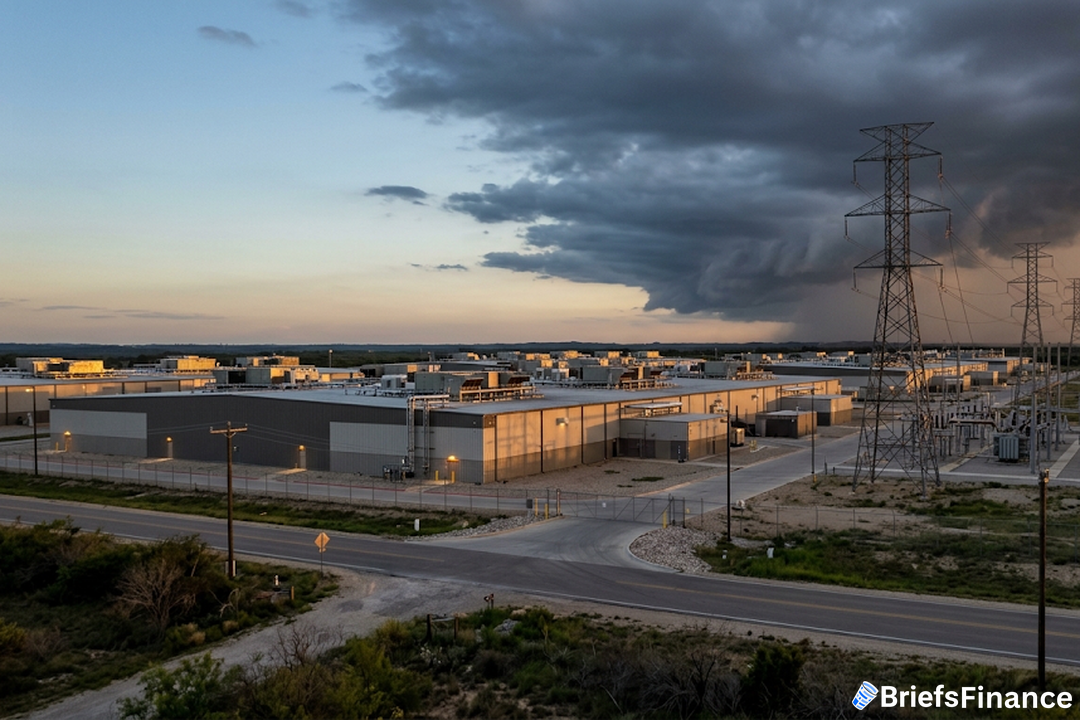
Some companies make money by mining Bitcoin. They run rooms full of high-powered computers that crunch math problems to earn new Bitcoin. Those companies have stocks you can buy. Pros of buying a Bitcoin mining stock:
- Leveraged exposure. Miners often go up faster than Bitcoin itself when prices rise. Higher Bitcoin prices mean more revenue per coin mined.
- Held in normal accounts. Like ETFs, you can hold mining stocks in retirement accounts.
- Possible dividends. Some miners pay dividends. That is not guaranteed and depends on the company.
Cons of buying a Bitcoin mining stock:
- Company-specific risk. Mining is expensive. Energy costs are huge. A miner can struggle financially even when Bitcoin is going up.
- More volatile than Bitcoin. Miner stocks have many moving parts. Share prices swing hard in both directions.
- Not pure Bitcoin exposure. You are betting on a company, not the asset itself.
This option is best for investors who want indirect Bitcoin exposure inside a regular brokerage account, and who can handle volatility. (Some of our best stock picks for 2026 follow a similar logic - leveraged exposure to a trend through one company.)
How To Buy Bitcoin: A Quick Comparison
How Much Bitcoin Should A Beginner Buy? There is no single right answer. Your allocation should match your goals and risk tolerance. A few rough starting points:
- Conservative investor: 0% to 1% of your portfolio in Bitcoin
- Moderate investor: 3% to 5% of your portfolio
- Aggressive investor: 7% to 13% of your portfolio
These are starting guidelines, not rigid rules. Start at the low end and increase over time as you gain comfort. The right size also depends on the rest of your financial picture.
A high earner with their first million already invested can take more risk than someone still building an emergency fund.
If your basics are not in place yet - savings, debt paid down, a high-yield savings account earning real interest - those come first, before any Bitcoin allocation.
How To Buy Bitcoin Without Falling Into FOMO
The biggest beginner mistake with Bitcoin is FOMO. Fear of missing out. Bitcoin jumps 30% in a week, you panic-buy at the peak, prices drop, and you panic-sell at the bottom. That is the cycle that destroys new crypto investors.
It is the same emotional trap that hits investors during stock market drops - we cover it in detail in our piece on the psychology of market crashes. The fix is dollar cost averaging. Pick a dollar amount. Buy that same amount every week or every month, no matter what the price is.
Over time, this smooths out your cost. You will not buy at the perfect price. You also will not buy at the worst one. Building this kind of discipline is part of the broader investing mindset - thinking like a real investor, not a gambler.
Honest Risks Of Buying Bitcoin
Bitcoin is volatile. It has dropped 50% or more multiple times. It will drop hard again at some point. There is no FDIC insurance on Bitcoin. If your exchange goes under, your coins may be gone. Some investors view Bitcoin as a hedge against inflation because of its fixed supply.
That argument has merit, but it does not protect against short-term price swings. Tax rules for crypto are still evolving. Keep records of every trade.
This is not a get-rich-quick play. Most beginners do best treating Bitcoin like any other long-term investment - small allocation, regular contributions, hold for years.
How To Buy Bitcoin For Beginners: The Bottom Line
How to buy Bitcoin for beginners comes down to picking your path. Direct on an exchange gives you control. An ETF gives you simplicity.
A mining stock gives you exposure with company risk attached. Start small. Use dollar cost averaging. Stick to your allocation plan even when prices swing.
Most importantly, do not chase what already moved. Bitcoin is one slice of a portfolio, not the whole thing.