Free NewsletterPro Login

Warning: Undefined variable $stocks in /var/www/briefs.co/htdocs/wp-content/plugins/oxygen/component-framework/components/classes/code-block.class.php(133) : eval()'d code on line 448

Warning: foreach() argument must be of type array|object, null given in /var/www/briefs.co/htdocs/wp-content/plugins/oxygen/component-framework/components/classes/code-block.class.php(133) : eval()'d code on line 448

Warning: Undefined variable $funds in /var/www/briefs.co/htdocs/wp-content/plugins/oxygen/component-framework/components/classes/code-block.class.php(133) : eval()'d code on line 472

Warning: foreach() argument must be of type array|object, null given in /var/www/briefs.co/htdocs/wp-content/plugins/oxygen/component-framework/components/classes/code-block.class.php(133) : eval()'d code on line 472
/* the link was here */
BREAKING
Crypto Rally Pushes Bitcoin Above $81,000 Read coverage →        
×
Home » Deep Briefs »  » European Stocks For U.S. Investors: 2 ETFs To Watch

European Stocks For U.S. Investors: 2 ETFs To Watch

Published: Jan 11, 2026 
Disclosure: Briefs Finance is not a broker-dealer or investment adviser. All content is general information and for educational purposes only, not individualized advice or recommendations to buy or sell any security. Investing involves significant risk, including possible loss of principal, and past performance does not guarantee future results. You are solely responsible for your investment decisions and should consult a licensed financial, legal, or tax professional before acting on any information provided.
Summary:

Economic instability in Europe & strong 2025 gains has created undervalued potential investment opportunities.

Many of these opportunties trade on U.S. exchanges, which means access is easy for Americans.

Learn which opportunties may see growth for American investors in 2026 and beyond.

For years, U.S. markets were the pinnacle of growth and profits for many investors.

However, global markets are starting to catch up to the U.S., with some even surpassing the Nasdaq and New York Stock Exchange's growth in 2025.

The S&P 500 grew by around 17% in 2025 - that’s higher than its historical average around 10%.

But compared to other stock markets globally, it lagged behind:

  • Japan markets grew by 26%.
  • U.K. markets grew by 22% in 2025.
  • European markets grew by 19%.

What does this mean? Other markets may present some potential opportunities for investors to profit by looking beyond U.S. markets.

European stocks are currently trading at valuations that look pretty attractive compared to their U.S. counterparts. 

The STOXX 600 (Europe's version of the S&P 500) has a price-to-earnings ratio of around 12.0. Meanwhile, the S&P 500 sits at 30.02.

This means they could be undervalued.

You may be thinking, “I live in the U.S. - how can I invest in European stocks?”

Many of these companies that are growing are available to investors through individual stocks or ETFs that trade on American exchanges.

That means accessing these potential opportunities is just as simple as buying any other stock.

With that said, let’s take a look at some potential European stock market opportunities, what’s happening in Europe, and what investors need to know.

Keep this in mind: Whether it’s Japan, the U.S., Europe, and more, our investors are dialed in on what’s moving the market right now.

If you want to see the specific stocks our analysts are looking at right now, subscribe to Market Briefs Pro.

What’s Going On With European Stocks in 2026?

Europe has gone through a lot over the last few years.

From the war in Ukraine, to economic issues in Germany, companies have been scrambling to grow.

But, the European Central Bank has been slashing rates, inflation is falling, and economies are beginning to improve.

That stability is allowing companies to recover - but some opportunities have managed to grow despite the broader volatility.

Two ETFs That Give You Access To Europeans Stocks

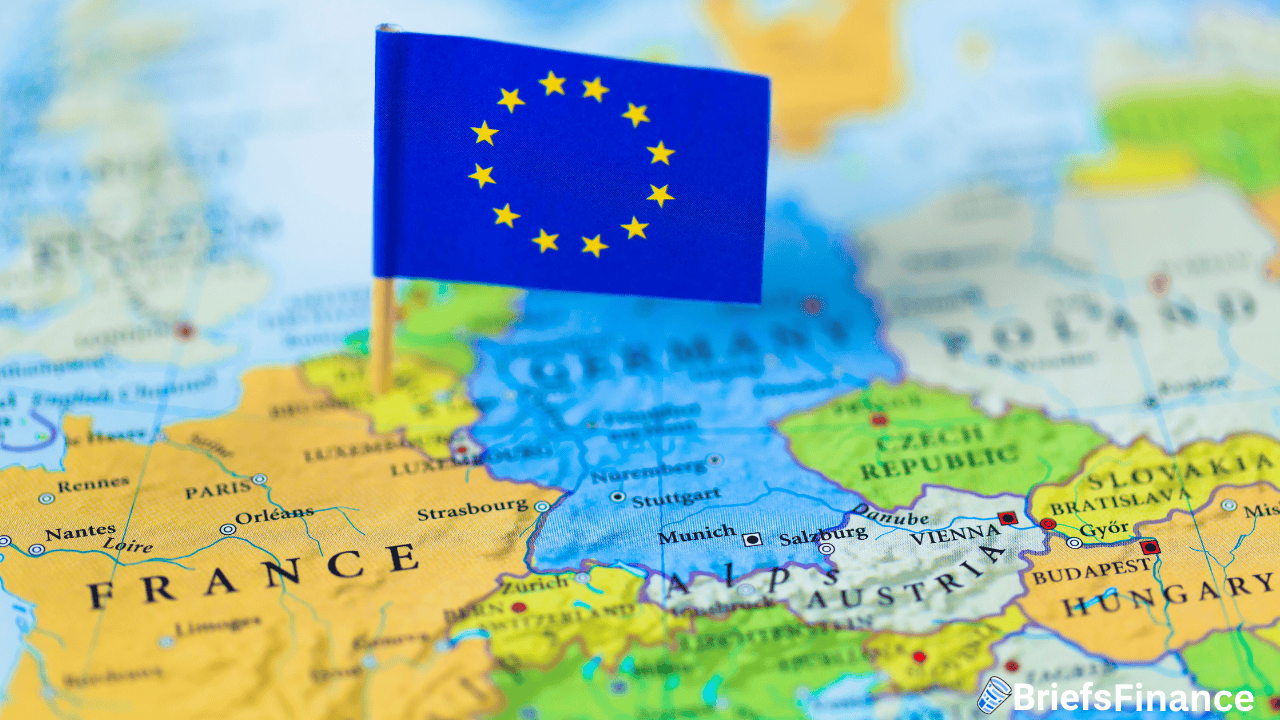
You don't need an international broker to invest in European stocks. Here are two ETFs traded on U.S. exchanges that track different opportunities:

SPDR Euro STOXX 50 ETF (FEZ)

This tracks the STOXX 50 index - the top 50 companies across European markets by market cap.

What's inside: Major European players like ASML (chip manufacturing equipment), SAP (enterprise software), LVMH (luxury goods), and Siemens (industrial conglomerate). 

Think of it as the European equivalent of investing in the S&P 500's top companies.

The history: This index has shown strong rebounds after previous crises. After the 2008 financial crisis, it jumped 25% in 12 months. 

Following the 2020 pandemic, it surged 60% over nine months.

Current status: It ended 2025 up 35% - positioning it for potential growth if European economies stabilize further.

iShares MSCI Poland ETF (EPOL)

This one's more specialized. It focuses on Polish stocks, particularly banks that are benefiting from an unexpected boom.

The opportunity: Poland has become the logistics hub for Ukraine aid. 

Over $62 billion in U.S. aid flows through Poland before reaching Ukraine. 

This has created massive economic activity - transportation, labor, shelter costs - that primarily benefits Polish banks providing loans to businesses handling these contracts.

The numbers: Some Polish banks are on track to hit $43 billion in income for the second straight year in 2025, up from $28 billion in 2022. 

PwC called it "the golden times" for Polish banking.

What's inside: Holdings in PKO Bank Polski and Bank Pekao, Poland's two largest banks. These institutions are reinvesting their current into long-term growth initiatives.

Current status: Up just around 88% over five years - and is positioned to benefit both from short-term geopolitical flows and Poland's projected long-term GDP growth that could outpace the U.K. by 2040.

The Recovery Pattern For European Stocks

European markets have a track record of strong recoveries:

  • 2008 Financial Crisis: STOXX 50 rebounded 25% in 12 months.
  • Euro Debt Crisis: STOXX 600 jumped 18% in 2013, DAX hit record highs in 2015.
  • 2020 Pandemic: STOXX 50 surged 60% over 9 months, FTSE 100 up 10% in 6 months.

These aren't guarantees, but they show how historically strong European companies have bounced back after downturns.

What Could Change Things

The biggest factor? Peace. If the Russia-Ukraine conflict ends, we'd likely see:

  • Energy costs stabilize as supply chains normalize.
  • Economic confidence returns to major European economies.
  • Capital flows back into undervalued European assets.
  • Central bank stimulus continues supporting growth.

Also, investors are looking all over the world for opportunities right now, not just Europe.

Other markets showing strong growth could entice some investors to look away from western markets in the U.S. and Europe in favor of BRICS nations or Japan.

European Stocks: The Bottom Line

European stocks represent quality companies trading at a discount. 

  • FEZ gives investors broad exposure to Europe's biggest names. 
  • EPOL offers a more focused bet on Polish banking's unique position.

Neither is a guaranteed winner - investors should always consider currency fluctuations, geopolitical instability, and local economic risks before investing.

But, U.S. markets are not the only ones showing strong returns anymore - global markets are growing, and in some cases, outpacing U.S. markets.

As always, do your own research - understand your risk tolerance and remember that international investing adds complexity - but also possible opportunities.

Looking for more potential stock market investing opportunities? Our analysts are breaking down specific stocks every week in Market Briefs Pro.

Get an edge on Wall Street - subscribe to Market Briefs Pro.


Tag »

More Deep Briefs

Why Is Bitcoin Dropping Right Now?

The Fidelity 500 Index Fund, Made Simple for Beginners

USA Penny Stocks: Risks and Rewards Explained

Finding Cheap Stocks to Buy Now Without Getting Burned

Best Dividend Stocks: A Beginner's Playbook

Roth 401k, Explained for New Investors

How a Roth IRA Calculator Shows Your Future Wealth

Portfolio Diversification: Why Putting All Your Eggs in One Basket Destroys Wealth

Non Taxable Income: What It Is and Why It Matters

Semiconductor Stocks: A Simple Guide for Investors

How Stocks Work: A Simple Guide for Beginners

Stop Loss vs Stop Limit: What's the Difference?

Energy Stocks: A Simple Guide for Investors

What Is a Stop Loss Order? A Simple Guide

Best S&P 500 Index Fund: How to Choose One

What Are Penny Stocks? Risks and Rewards Explained

Best Stocks for Beginners With Little Money

Tech Stocks: A Simple Guide for New Investors

What Is a Joint Stock Company? A Simple Guide

Capital Gains Tax in California: A Simple Guide

Top Covered Call ETFs: How to Compare Them

What Are Stock Options? A Plain-English Guide

EBITDA Margin: What It Is and How to Calculate It

What Is Taxable Income? A Simple Guide for Investors

What Is a Covered Call? How the Strategy Works

What Is Gross Margin? A Simple Guide for Investors

What Is a Dividend? A Plain-English Guide for Investors

Financial Literacy Books That Actually Build Wealth

What Is a Roth Conversion? A Simple Guide

Trailing Stop Loss: How to Protect Your Gains

5 Types of Wealth: Why Money Is Only One of Them

How to Invest in Private Equity: A Beginner's Guide

What Is a Call Option? A Simple Guide With Examples

EBITDA Formula: How to Calculate It Step by Step

What Is a Stock Option? A Plain-English Guide

Put Option: What It Is and How It Works

Operating Margin: What It Is and How to Calculate It

Enterprise Value: What It Is and How to Calculate It

Free Cash Flow: What It Is and Why It Matters

What Is Working Capital? A Simple Guide for Investors

Covered Call: How This Income Strategy Actually Works

Gross Margin: What It Is and How to Calculate It

Backdoor Roth IRA: A Simple Guide for High Earners

Mega Backdoor Roth: A Simple Guide for Big Savers

Dividend Calculator: How to Estimate Your Dividend Income

How to Create Multiple Income Streams: A Beginner's Playbook

The 60/40 Portfolio Explained: A Beginner's Guide

How to Invest in Silver: A Beginner's Guide

Asset Allocation by Age: The Right Portfolio Mix at Every Stage of Life

Stablecoin Explained: Why Some Cryptocurrencies Actually Aren't Volatile

Buy Now, Pay Later Risks: Why This "Easy" Payment Method Is Dangerous to Your Wealth

Dividend Payout Ratio: The Secret Metric That Shows If a Stock Is Safe or Risky

Ethereum for Beginners: What It Is and Why Smart Investors Are Paying Attention

Dollar Cost Averaging Strategy: How to Beat Emotion and Build Wealth Steadily

The BRRRR Strategy: How to Build Real Estate Wealth Without Big Money Down

What Is GDP? A Beginner's Guide to Understanding Economic Growth

What Is Blockchain? A Plain English Guide For Investors

How To Negotiate Bills: The Script That Saves You Hundreds A Year

75 15 10 Rule: The Budget That Builds Wealth On Autopilot

How To Rebalance Portfolio: The Strategy That Forces You To Buy Low And Sell High

How To Buy Treasury Bonds: A Beginner's Guide

Forward Vs Futures Contracts: What's The Real Difference?

Alternative Investments Explained: What They Are And Why They Matter

How To Buy Bitcoin For Beginners: 3 Simple Ways

How To Follow Smart Money: The 5 Market Shifts Framework

Insider Trading Meaning: What It Really Is (And Why Some Of It Is Legal)

Core-Satellite Portfolio: The Best of Both Worlds

Bond Ladder Strategy: The Income Plan With Built-In Flexibility

Silver vs Gold Investing: Which One Belongs in Your Portfolio?

What Is a Dividend Reinvestment Plan? The Wealth Snowball Explained

How Tariffs Affect the Stock Market

What Is a 13F Filing? The Smart Money Tracker

Debt-to-Equity Ratio: The Number That Tells You If a Company Is Drowning

Non-Financial Analysis of Stocks: The 4-Step Method

SEC EDGAR Tutorial: The Free Tool the Pros Use

How to Read a 10-Q (Without Losing Your Mind)

What Is a Put Option? A Simple Guide for Investors

What Is Free Cash Flow? How To Find It & Why It's Important

Non Taxable Income: What It Is and Why Investors Care

Nasdaq Index Fund: A Beginner's Guide to Investing in the Nasdaq 100

What Is Wealth? It's Not What Most People Think

Micron Stock: The AI Memory Play Most Investors Are Missing

What Is Working Capital? What Investors Need To Know

What Is a Meme Stock? A Simple Guide for New Investors

Enterprise Value Formula: What It Is and How to Calculate It

Return on Equity: What It Is and How to Use It

Personal Finance Books That Actually Teach You to Build Wealth

How to Reduce Taxable Income: 6 Strategies Investors Actually Use

What Is a High-Yield Savings Account - and Is It Worth It?

Best Stocks to Buy Now: A Smarter Way to Think About It

How to Avoid Capital Gains Tax: 7 Legal Strategies Every Investor Should Know

How to Read a Balance Sheet (And Why Every Investor Should Know How)

What Is a Stock Broker? A Simple Guide for New Investors

Most Volatile Stocks: What They Are and Why They Move

ETF vs Mutual Fund - What's the Difference and Which One Should You Pick?

Nuclear Energy Stocks: Why Smart Money Is Betting on AI's Power Problem

What Is a Stock Symbol? Real Examples & How To Find One

SNDK Stock: The AI Play Most Investors Forgot About

What Is a 401k? Here's What You Actually Need to Know

Call vs. Put Options: What's the Difference and How Do They Work?

1 2 3

Get Market Briefs delivered to your inbox every morning for free!

No fluff. No noise. No politics. Just finance news you can read in 5 minutes.
Join Free

Blogs

August 23, 2026
How to Get the Most From Your Guideline 401k
  • Guideline is a company that provides low-cost 401k plans, popular with small businesses and their employees.
  • A "Guideline 401k" follows the same core rules as any 401k: tax-advantaged growth, contribution limits, and often an employer match.
  • The biggest results come from capturing the full match, choosing low-cost funds, and picking Roth or traditional to fit your situation.
Read More
August 23, 2026
Principal 401k: What to Know About Your Plan
  • Principal is one of many companies that manage workplace 401k plans, so a "Principal 401k" is simply a 401k where Principal is the provider.
  • The rules of a 401k are the same no matter who runs it: pre-tax or Roth contributions, tax-advantaged growth, and often an employer match.
  • The biggest wins come from grabbing the full match, picking low-cost funds, and knowing whether Roth or traditional fits you.
Read More
August 23, 2026
What a Tariff Dividend Means for Your Money
  • A "tariff dividend" is the idea of taking money the government collects from tariffs and paying some of it back to citizens.
  • To judge the idea, you first need to know what a tariff is: a tax on imported goods, usually paid by the companies bringing them in.
  • Tariffs ripple through prices, businesses, and your investments, so the smart move is understanding those ripples, not just the headline.
Read More
August 23, 2026
No Tax on Overtime: How Overtime Pay Is Taxed
  • "No tax on overtime" refers to a tax break that lets certain workers deduct some overtime pay, lowering the income they get taxed on.
  • A deduction does not mean overtime is truly tax-free. It means part of that pay is subtracted before your tax is figured.
  • The bigger money lesson: how you earn money changes how it is taxed, and investors often get the friendliest treatment of all.
Read More
August 23, 2026
Reading the Silver Price Forecast for 2026
  • Nobody can honestly promise a specific silver price for 2026. Any exact number is a guess, so treat forecasts as opinions, not facts.
  • Silver is unusual because it is both a precious metal and an industrial metal, so its price answers to two very different forces.
  • Instead of chasing a forecast, learn the drivers - inflation, interest rates, recession fear, and industrial demand - so you can judge any prediction yourself.
Read More
August 23, 2026
What to Do When Reddit Stocks Go Viral
  • "Reddit stocks" usually means stocks getting hyped in online communities, where crowds can send a price soaring or crashing fast.
  • These tips can be entertaining and sometimes useful, but they are opinions, not research, and often come loaded with hype.
  • The safe move is to treat every online tip as a starting point, then do your own homework before risking a dollar.
Read More
August 23, 2026
Why Is Bitcoin Dropping Right Now?
  • Bitcoin drops for a mix of reasons: interest rates, big-picture money policy, regulation news, and simple shifts in how much risk investors want to take.
  • Bitcoin has a fixed supply and no earnings, so its price runs almost entirely on supply, demand, and sentiment.
  • Sharp drops are normal for bitcoin. Understanding the drivers matters more than reacting to any single day.
Read More
August 23, 2026
The Fidelity 500 Index Fund, Made Simple for Beginners
  • The Fidelity 500 Index Fund is a low-cost fund that tracks the S&P 500, an index of 500 large U.S. companies.
  • Buying it means owning a tiny slice of 500 businesses at once, which spreads your risk in a single purchase.
  • Index funds like this win over time mostly by keeping fees low and letting compounding do the work.
Read More
August 23, 2026
USA Penny Stocks: Risks and Rewards Explained
  • USA penny stocks are very low-priced shares of very small companies, often trading under $5 and sometimes under $1.
  • They dangle the dream of huge, fast gains, but carry brutal risks: low liquidity, wild swings, and high failure rates.
  • Most investors build wealth faster with quality companies and funds than by chasing cheap shares.
Read More
August 23, 2026
Finding Cheap Stocks to Buy Now Without Getting Burned
  • A low share price does not mean a stock is cheap. Real value compares the price to what the business is actually worth.
  • The best cheap stocks to buy now are quality companies trading below their true value, not the tiniest, riskiest shares on the market.
  • For most beginners, a low-cost index fund is the simplest "cheap" way to own great companies at once.
Read More
1 2 3 25
Share via
Copy link