Free NewsletterPro Login

Warning: Undefined variable $stocks in /var/www/briefs.co/htdocs/wp-content/plugins/oxygen/component-framework/components/classes/code-block.class.php(133) : eval()'d code on line 448

Warning: foreach() argument must be of type array|object, null given in /var/www/briefs.co/htdocs/wp-content/plugins/oxygen/component-framework/components/classes/code-block.class.php(133) : eval()'d code on line 448

Warning: Undefined variable $funds in /var/www/briefs.co/htdocs/wp-content/plugins/oxygen/component-framework/components/classes/code-block.class.php(133) : eval()'d code on line 472

Warning: foreach() argument must be of type array|object, null given in /var/www/briefs.co/htdocs/wp-content/plugins/oxygen/component-framework/components/classes/code-block.class.php(133) : eval()'d code on line 472
/* the link was here */
Home » Deep Briefs »  » Do You Have To Pay Taxes on Stocks: What Every Investor Needs to Know

Do You Have To Pay Taxes on Stocks: What Every Investor Needs to Know

Published: Mar 8, 2026 
Disclosure: Briefs Finance is not a broker-dealer or investment adviser. All content is general information and for educational purposes only, not individualized advice or recommendations to buy or sell any security. Investing involves significant risk, including possible loss of principal, and past performance does not guarantee future results. You are solely responsible for your investment decisions and should consult a licensed financial, legal, or tax professional before acting on any information provided.
Summary:

Yes, you have to pay taxes on stocks.

Typically though, taxes only come into play when you sell at a gain (or earn dividends).

The good news? The tax code is actually designed to favor investors over workers.

Do You Have to Pay Taxes on Stocks?

Short answer: yes. You do have to pay taxes on stocks.

The question becomes - when do you have to pay taxes on stocks?

Well, the real answer depends on a variety of different factors along with how much you actually pay.

But paying taxes on stocks is not like paying taxes on your income.

We’ll explain why later - but taxes as 100% something investors need to consider.

But once you know how to navigate taxes on stocks, you’ll become a better investor, and may even be able to make the tax code work for you.

Let’s break down paying taxes on stocks, when you have to do it, how much you’ll have to pay, and when to talk to a professional.

Taxes can dig into your gains as an investor - but how do you find opportunities to maximize your gains?

Our CEO Jaspreet Singh is hosting a free live investor workshop on March 18th where he’ll show you how to identify market shifts and potential investing opportunities.

Register here for free.

The Tax Code Is Built for Investors

Most Americans grow up learning to hate taxes.

Why? Because around 135 million Americans are W2 employees - the money they earn is tied to their job.

Now, there’s nothing wrong with being a W2 employee - in fact, leveraging your income to build wealth can be a powerful tool.

However, it also means that the more money you make, the more you are taxed on that income.

It’s not the same for investors.

In fact, the U.S. tax code is actually designed to benefit investors. 

A regular employee earning $100,000 gets taxed at their ordinary income rate - which can reach up to 37% at the highest bracket.

Legendary investor Warren Buffett earned $704 million in dividends in 2021. 

His tax rate on that? Just 20%. That's the power of investing - the system rewards you for putting your money to work.

This is one of the biggest wealth-building advantages most people never take advantage of.

Our economic system benefits investors - or the owners of businesses.

That means your gains and losses on assets are not the same as the taxes you pay on your income.

This is a powerful distinction that completely shifts what most of us were taught about money and taxes.

When Do You Pay Taxes on Stocks?

The two most common situations where you may owe taxes on stocks are:

1. When you sell at a profit. This is called a capital gain

The gain is the difference between what you paid (your cost basis) and what you sold for.

2. When you receive dividends. Even if you reinvest every penny back into the stock automatically, you still owe taxes on dividends in the year you receive them. 

The IRS doesn't care that you didn't touch the money - if it hit your account, it counts.

What About Stocks You Don't Sell?

You do not pay taxes on stocks you haven't sold.

Sitting on a stock that's up 50%? 

No tax bill - yet. 

Long-term investors who let winners run for years defer taxes indefinitely, letting their money compound without the IRS taking a cut along the way.

Keep in mind though - the strategy you choose when investing matters here.

Investing in a regular brokerage account has no contribution limits, but you’re using after tax dollars to do it.

Investing in an employer sponsored 401k has contribution limits, but you’re investing pre-tax dollars.

You’ll pay taxes later, but this could mean your investing more, which allows your money to compound faster.

There’s no right or wrong answer here - but the idea is to pick an approach that matches your goals and reduces the amount of taxes you have to pay later.

How Much Tax Will You Pay On Stocks?

That depends on how long you held the stock and what type of income it generated.

TypeTax Rate
Long-term capital gains (held 1+ year)0%, 15%, or 20% depending on income
Short-term capital gains (held under 1 year)Taxed as ordinary income (up to 37%)
Qualified dividends0%, 15%, or 20%
Ordinary dividendsTaxed as ordinary income

The takeaway: Holding for longer almost always means paying less in taxes. 

This is another reason long-term investing beats short-term trading - it's not just about returns, it's about what you keep.

What Is Tax-Loss Harvesting?

You’re probably wondering: “How does capital gains work if I sell a stock at a loss?”

While never ideal, it does happen - but you may be able to use these losses to your advantage when tax time come around.

Tax-loss harvesting is when you sell investments that have lost value to create a tax loss, which can then offset gains from your winners.

Example:

Stock A gained $5,000. 

Stock B lost $3,000. 

You sell both. 

Now you only owe capital gains tax on $2,000 instead of $5,000.

You can even carry losses forward to future years if your losses in a year exceed your gains.

One rule to know: The IRS has something called the wash sale rule

If you buy back the same (or substantially identical) investment within 30 days of selling it at a loss, you can't claim the loss. So timing matters.

Tax-loss harvesting works best in taxable brokerage accounts - not inside retirement accounts like a 401(k) or IRA, where taxes are already deferred.

What About Retirement Accounts?

If you invest through a traditional 401(k) or IRA, your money grows tax-deferred. 

You don't pay taxes on gains each year - you pay when you withdraw in retirement.

A Roth IRA or Roth 401(k) works differently. You invest after-tax dollars, but the growth is tax-free - and withdrawals in retirement are generally tax-free too.

Neither of these accounts is taxed on stock gains the way a regular brokerage account is. That's a major advantage - and one of the main reasons these accounts exist.

What the IRS Already Knows

Don't think you can skip reporting your stock sales.

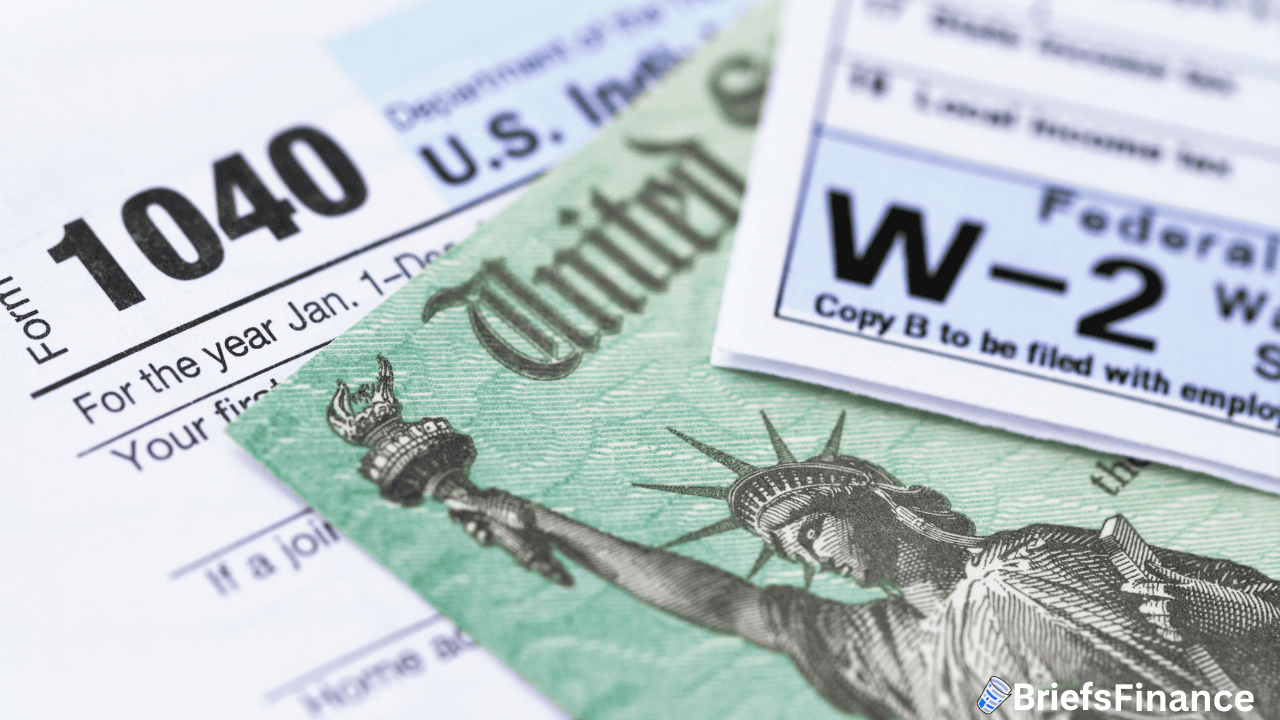
Your broker automatically generates a Form 1099-B at the end of each year. 

It lists every transaction you made - what you bought, what you sold, and for how much. 

And a copy goes directly to the IRS.

So if you sell stocks and don't report it on your tax return, the IRS will notice. 

They'll send a letter which may come with penalties and interest.

Find your 1099-B in your brokerage app in January or February. 

It's usually under "Tax Documents" or "Account Statements."

When to Talk to a Professional

If you have a simple portfolio - a few ETFs, maybe some individual stocks - you can more than likely handle this yourself with the right software.

But if you're dealing with a complex situation - lots of trades, options, significant capital gains - it may be worth hiring a CPA (Certified Public Accountant) or enrolled agent who specializes in investments. 

The money you save through proper tax strategy could far outweigh what you pay them.

The Bottom Line Paying Taxes On Stocks

Yes, you have to pay taxes on stocks. 

But here's what smart investors know:

  • Our tax system benefits investors/owners.
  • You typically only pay when you sell (or earn dividends).
  • Holding long-term means lower tax rates.
  • Losses can offset your gains.
  • You have to report to the IRS.
  • Professionals can help, where appropriate.

Taxes are misunderstood - and definitely not something to fear. 

They're something to plan around, because one way or another, you have to pay them. 

The investors who build real wealth don't just think about returns - they think about what they actually keep after the IRS takes its cut.

Speaking of returns: How do you spot potential opportunities that could outpace the S&P 500?

Our CEO Jaspreet Singh is hosting a free live investor workshop where he’ll explain how investors can identify market shifts and stocks that may benefit.

Save your spot here - but act fast, participation is limited.


Tag »

More Deep Briefs

Principal 401k: What to Know About Your Plan

What a Tariff Dividend Means for Your Money

No Tax on Overtime: How Overtime Pay Is Taxed

Reading the Silver Price Forecast for 2026

What to Do When Reddit Stocks Go Viral

Why Is Bitcoin Dropping Right Now?

The Fidelity 500 Index Fund, Made Simple for Beginners

USA Penny Stocks: Risks and Rewards Explained

Finding Cheap Stocks to Buy Now Without Getting Burned

Best Dividend Stocks: A Beginner's Playbook

Roth 401k, Explained for New Investors

How a Roth IRA Calculator Shows Your Future Wealth

Portfolio Diversification: Why Putting All Your Eggs in One Basket Destroys Wealth

Non Taxable Income: What It Is and Why It Matters

Semiconductor Stocks: A Simple Guide for Investors

How Stocks Work: A Simple Guide for Beginners

Stop Loss vs Stop Limit: What's the Difference?

Energy Stocks: A Simple Guide for Investors

What Is a Stop Loss Order? A Simple Guide

Best S&P 500 Index Fund: How to Choose One

What Are Penny Stocks? Risks and Rewards Explained

Best Stocks for Beginners With Little Money

Tech Stocks: A Simple Guide for New Investors

What Is a Joint Stock Company? A Simple Guide

Capital Gains Tax in California: A Simple Guide

Top Covered Call ETFs: How to Compare Them

What Are Stock Options? A Plain-English Guide

EBITDA Margin: What It Is and How to Calculate It

What Is Taxable Income? A Simple Guide for Investors

What Is a Covered Call? How the Strategy Works

What Is Gross Margin? A Simple Guide for Investors

What Is a Dividend? A Plain-English Guide for Investors

Financial Literacy Books That Actually Build Wealth

What Is a Roth Conversion? A Simple Guide

Trailing Stop Loss: How to Protect Your Gains

5 Types of Wealth: Why Money Is Only One of Them

How to Invest in Private Equity: A Beginner's Guide

What Is a Call Option? A Simple Guide With Examples

EBITDA Formula: How to Calculate It Step by Step

What Is a Stock Option? A Plain-English Guide

Put Option: What It Is and How It Works

Operating Margin: What It Is and How to Calculate It

Enterprise Value: What It Is and How to Calculate It

Free Cash Flow: What It Is and Why It Matters

What Is Working Capital? A Simple Guide for Investors

Covered Call: How This Income Strategy Actually Works

Gross Margin: What It Is and How to Calculate It

Backdoor Roth IRA: A Simple Guide for High Earners

Mega Backdoor Roth: A Simple Guide for Big Savers

Dividend Calculator: How to Estimate Your Dividend Income

How to Create Multiple Income Streams: A Beginner's Playbook

The 60/40 Portfolio Explained: A Beginner's Guide

How to Invest in Silver: A Beginner's Guide

Asset Allocation by Age: The Right Portfolio Mix at Every Stage of Life

Stablecoin Explained: Why Some Cryptocurrencies Actually Aren't Volatile

Buy Now, Pay Later Risks: Why This "Easy" Payment Method Is Dangerous to Your Wealth

Dividend Payout Ratio: The Secret Metric That Shows If a Stock Is Safe or Risky

Ethereum for Beginners: What It Is and Why Smart Investors Are Paying Attention

Dollar Cost Averaging Strategy: How to Beat Emotion and Build Wealth Steadily

The BRRRR Strategy: How to Build Real Estate Wealth Without Big Money Down

What Is GDP? A Beginner's Guide to Understanding Economic Growth

What Is Blockchain? A Plain English Guide For Investors

How To Negotiate Bills: The Script That Saves You Hundreds A Year

75 15 10 Rule: The Budget That Builds Wealth On Autopilot

How To Rebalance Portfolio: The Strategy That Forces You To Buy Low And Sell High

How To Buy Treasury Bonds: A Beginner's Guide

Forward Vs Futures Contracts: What's The Real Difference?

Alternative Investments Explained: What They Are And Why They Matter

How To Buy Bitcoin For Beginners: 3 Simple Ways

How To Follow Smart Money: The 5 Market Shifts Framework

Insider Trading Meaning: What It Really Is (And Why Some Of It Is Legal)

Core-Satellite Portfolio: The Best of Both Worlds

Bond Ladder Strategy: The Income Plan With Built-In Flexibility

Silver vs Gold Investing: Which One Belongs in Your Portfolio?

What Is a Dividend Reinvestment Plan? The Wealth Snowball Explained

How Tariffs Affect the Stock Market

What Is a 13F Filing? The Smart Money Tracker

Debt-to-Equity Ratio: The Number That Tells You If a Company Is Drowning

Non-Financial Analysis of Stocks: The 4-Step Method

SEC EDGAR Tutorial: The Free Tool the Pros Use

How to Read a 10-Q (Without Losing Your Mind)

What Is a Put Option? A Simple Guide for Investors

What Is Free Cash Flow? How To Find It & Why It's Important

Non Taxable Income: What It Is and Why Investors Care

Nasdaq Index Fund: A Beginner's Guide to Investing in the Nasdaq 100

What Is Wealth? It's Not What Most People Think

Micron Stock: The AI Memory Play Most Investors Are Missing

What Is Working Capital? What Investors Need To Know

What Is a Meme Stock? A Simple Guide for New Investors

Enterprise Value Formula: What It Is and How to Calculate It

Return on Equity: What It Is and How to Use It

Personal Finance Books That Actually Teach You to Build Wealth

How to Reduce Taxable Income: 6 Strategies Investors Actually Use

What Is a High-Yield Savings Account - and Is It Worth It?

Best Stocks to Buy Now: A Smarter Way to Think About It

How to Avoid Capital Gains Tax: 7 Legal Strategies Every Investor Should Know

How to Read a Balance Sheet (And Why Every Investor Should Know How)

What Is a Stock Broker? A Simple Guide for New Investors

Most Volatile Stocks: What They Are and Why They Move

ETF vs Mutual Fund - What's the Difference and Which One Should You Pick?

1 2 3

Get Market Briefs delivered to your inbox every morning for free!

No fluff. No noise. No politics. Just finance news you can read in 5 minutes.

Join Free

Blogs

September 4, 2026
An Interest Rate Hike in 2026? The Fed Just Broke Its Own Script
  • The Federal Reserve spent a year signaling cheaper money, and its new chairman just warned that an interest rate hike may be coming instead.
  • The Fed is stuck between high inflation and a weak job market, and fixing one makes the other worse.
  • Higher rates also reprice roughly a third of America's $40 trillion national debt this year, which is why Washington wants cuts so badly.
Read More
September 3, 2026
5 Passive Income Ideas That Pay You Whether You Work or Not
  • School teaches one formula: work, earn, spend. Stop working and the money stops, so the wheel never ends.
  • Five assets pay you without your labor - dividends, rent, interest, royalties, and the things you already own.
  • $80,000 a year of cash flow takes about $1 million invested at 8%, or roughly 20 years of $1,000 a month.
Read More
September 2, 2026
The Best Way to Invest 10k: Three Options To Transform 10K into 10 Million
  • Passive investing in stocks or real estate targets around 10% a year, and time in the market matters more than the price you get in at.
  • Active investing means putting your time in alongside your money, which raises the target to roughly 20% a year and raises the risk of losing it all.
  • Investing in yourself has no ceiling, because a new skill can create a new income that no market return can match.
Read More
September 1, 2026
The Tax Write Offs the Rich Are Using in 2026 While the IRS Shrinks
  • The 2026 tax brackets landed lower than they were headed, and the standard deduction jumped from a planned $8,350 to $16,100 for single filers.
  • New write offs for overtime, tips, seniors and car loan interest are live now, and most of them are written to expire in 2028.
  • About a third of IRS auditors have been fired, and four assets do most of the work for people who want income without a matching tax bill.
Read More
August 31, 2026
America Is Running Out of Debt Buyers. Treasury Bills Are the Government's Fix
  • The government took in about $5 trillion in taxes in 2025 and spent about $7 trillion, and the national debt is now over $40 trillion.
  • Investors, banks, and foreign countries are all lending less to the U.S., so starting September 9 the government plans to sell more short-term treasury bills and use that cash to buy back its long-term debt.
  • Government interest rates set the floor for your mortgage, your car loan, and your credit card, and short-term Treasury ETFs like SGOV are one way investors are playing it.
Read More
August 23, 2026
How to Get the Most From Your Guideline 401k
  • Guideline is a company that provides low-cost 401k plans, popular with small businesses and their employees.
  • A "Guideline 401k" follows the same core rules as any 401k: tax-advantaged growth, contribution limits, and often an employer match.
  • The biggest results come from capturing the full match, choosing low-cost funds, and picking Roth or traditional to fit your situation.
Read More
August 23, 2026
Principal 401k: What to Know About Your Plan
  • Principal is one of many companies that manage workplace 401k plans, so a "Principal 401k" is simply a 401k where Principal is the provider.
  • The rules of a 401k are the same no matter who runs it: pre-tax or Roth contributions, tax-advantaged growth, and often an employer match.
  • The biggest wins come from grabbing the full match, picking low-cost funds, and knowing whether Roth or traditional fits you.
Read More
August 23, 2026
What a Tariff Dividend Means for Your Money
  • A "tariff dividend" is the idea of taking money the government collects from tariffs and paying some of it back to citizens.
  • To judge the idea, you first need to know what a tariff is: a tax on imported goods, usually paid by the companies bringing them in.
  • Tariffs ripple through prices, businesses, and your investments, so the smart move is understanding those ripples, not just the headline.
Read More
August 23, 2026
No Tax on Overtime: How Overtime Pay Is Taxed
  • "No tax on overtime" refers to a tax break that lets certain workers deduct some overtime pay, lowering the income they get taxed on.
  • A deduction does not mean overtime is truly tax-free. It means part of that pay is subtracted before your tax is figured.

  • The bigger money lesson: how you earn money changes how it is taxed, and investors often get the friendliest treatment of all.

Read More
August 23, 2026
Reading the Silver Price Forecast for 2026
  • Nobody can honestly promise a specific silver price for 2026. Any exact number is a guess, so treat forecasts as opinions, not facts.

  • Silver is unusual because it is both a precious metal and an industrial metal, so its price answers to two very different forces.
  • Instead of chasing a forecast, learn the drivers - inflation, interest rates, recession fear, and industrial demand - so you can judge any prediction yourself.
Read More
1 2 3 26
Share via
Copy link