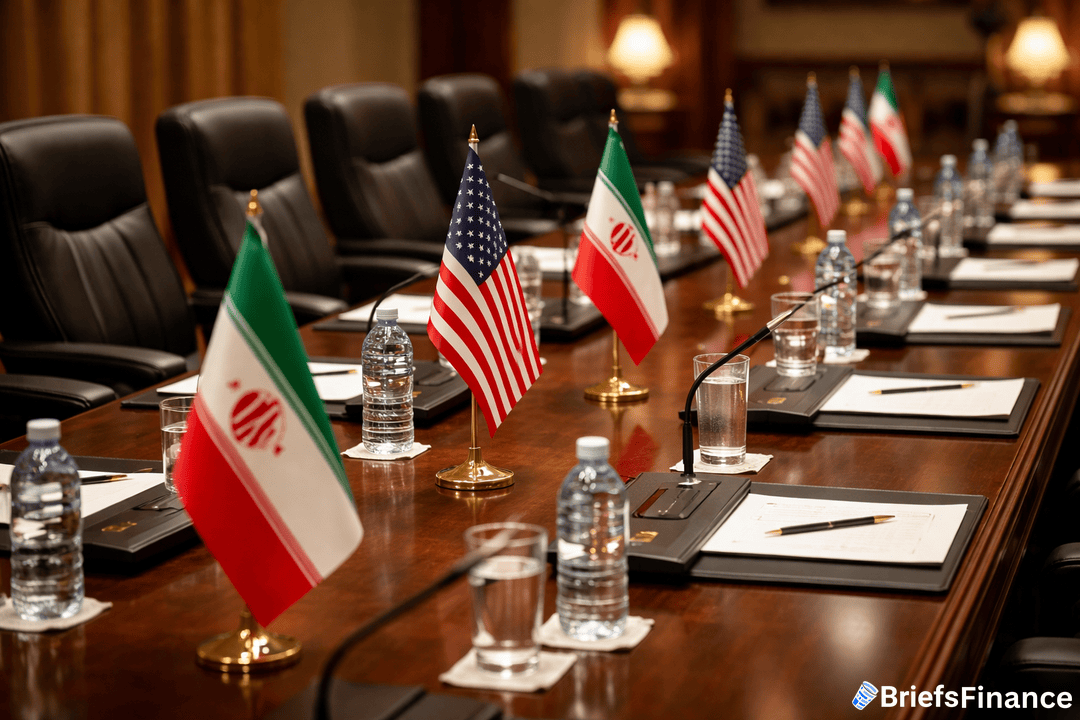
The first round of peace talks between the U.S. and Iran didn't end with a deal. But they got closer than most people think. Vice President JD Vance told Fox News on Monday that Iran "moved in our direction" during talks in Pakistan last week. The big issue was nuclear. Iran put an offer on the table to freeze its uranium work for five years. The U.S. said that wasn't long enough. It pushed for a 20-year pause instead. That gap killed the first round. But it didn't kill the talks.
Pakistan Pushes for Round Two
The talks broke down last week. But Pakistan isn't letting them stay dead. Senior sources in the country say it's working to bring both sides back to the table in its capital city before the ceasefire runs out on April 21. A diplomat from one of the nations helping to broker the deal went further. He said both Tehran and Washington have already said yes to a second round. The place hasn't been picked yet. But the fact that both sides want to meet again is a big deal. Vance said the first round helped the U.S. learn how Iran's leaders make choices. "We decided that given we don't think this current team and this current timeline is going to be able to make a deal, let them go back to Tehran," he said. What that means: The U.S. is betting that letting Iran's team go home and regroup will lead to a better offer next time. It's a gamble. But Vance sounded sure about it.
What's on the Table
The core fight is over how long Iran will agree to halt its nuclear work. Five years is too short for the U.S. Twenty years is too long for Iran. The final number will likely land somewhere in between. There are other issues too. The U.S. wants the Strait of Hormuz fully open to all ships. Iran wants some of the war-time sanctions lifted. And both sides want some kind of security pledge from the other. In plain terms: Think of it like a trade deal. Each side has a list of things it wants. The trick is finding the mix where both sides feel like they got enough to say yes.
Why Markets Jumped
Oil fell nearly 7% on Tuesday as traders bet that a deal is on the way. U.S. crude dropped to about $92 a barrel. Brent dipped below $98. Just a day before, Brent had spiked past $103 when the U.S. said it was blocking Iranian ports. The market is pricing in peace. If a second round of talks comes together fast and works, oil could keep falling. That would take heat off prices, consumer spending, and corporate profits all at once. Vance put the ball "very much in Iran's court." He warned that if Tehran doesn't show progress on opening the Strait, the terms could shift against it.
What to Watch
The ceasefire runs out on April 21. That gives both sides about a week to get back to the table. If no meeting takes place before then, the blockade and tensions could ramp right back up - and so could oil prices. For now, the market is betting on hope. But hope has an end date.