What the report found
States are facing softer revenues and bigger bills at the same time, which is crowding out new projects just as Prime Minister Narendra Modi is relying on investment to sustain rapid growth. PRS, an independent group that tracks legislatures and public finances, says states' revenue intake undershot plans by 8% over the three years to March 2025.
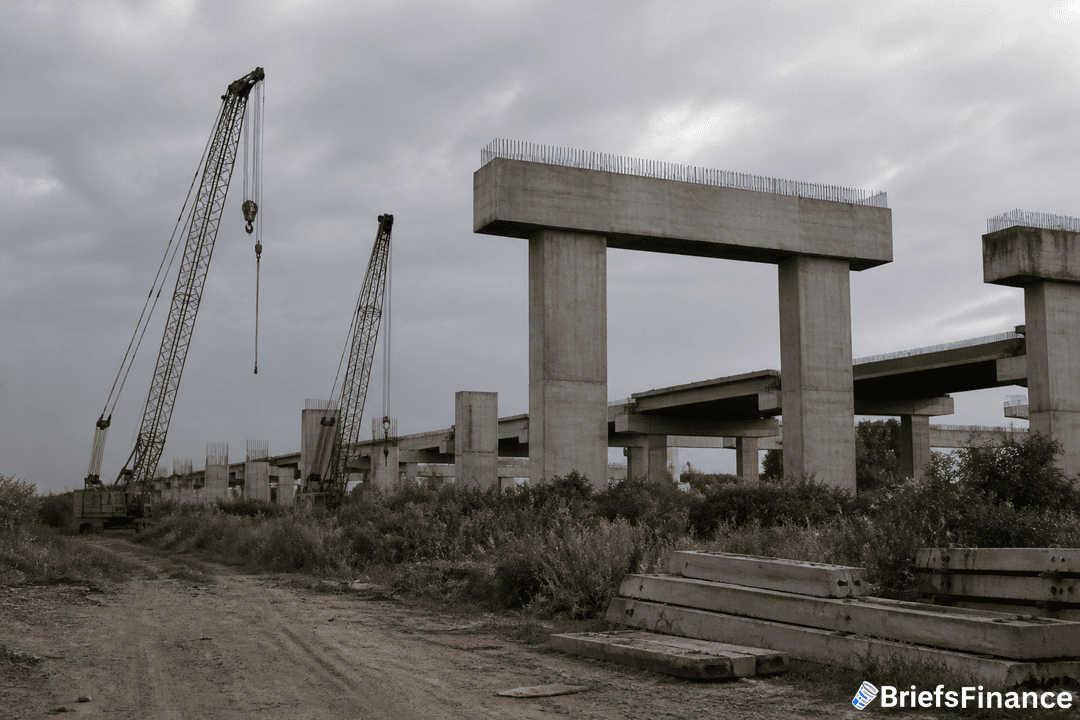
That gap forced tougher choices on where to cut. PRS reports states scaled back investment in infrastructure and other assets with long shelf lives by 17%, compared with a 7% trim in routine expenses. As the group put it, "More than half the revenue expenditure is on interest, salaries and pensions, which cannot be reduced in the near term."
A sharp example and why budgets are tight
Andhra Pradesh shows how the trade off plays out. The southern state led by Modi ally N. Chandrababu Naidu halved its capital spending while revenue receipts ran 16% below the budget, and operating costs were lowered by 6%, according to PRS.
States also have less room to lift income in some areas and are absorbing fresh obligations. Amendments to the Mines and Minerals Act have limited their authority to levy certain charges on minerals, leaving some of that money tied to central government decisions, PRS said. On the spending side, states are now covering a bigger portion of the rural employment guarantee program that was introduced in July.
When budgets tighten, thoughtful investors look to smarter tools for an edge. We're hosting our first ever investor livestream on 11/17 to show you how to use ChatGPT and Claude to invest like a pro, hosted by Briefs Finance CEO Jaspreet Singh. Save your seat.
The growth stakes and the deficit line
This is not a small macro story. States deliver much of India's public investment in roads, irrigation, urban systems, schools and hospitals, so continued budget pressure could sap momentum at a time policymakers say roughly 8% growth is needed to reach developed country status by 2047 and to generate enough quality jobs for new workers.
Those strains are visible in the numbers. The Finance Commission also warned that higher debt and fixed outlays - including salaries, pensions and interest payments - constrain how much governments can shift spending to other goals.
Why this matters for your portfolio
In plain English: the state level capex engine is sputtering at the exact moment India's growth story leans on investment. That can delay projects, affect order books for construction, materials and capital goods, and shape the demand outlook for banks and consumer services that ride on new infrastructure.
Learning how new technology can sharpen your choices helps you invest with confidence. On 11/17, our CEO Jaspreet Singh goes live for our first ever investor livestream on how to use ChatGPT and Claude to invest like a pro. Register to join him.