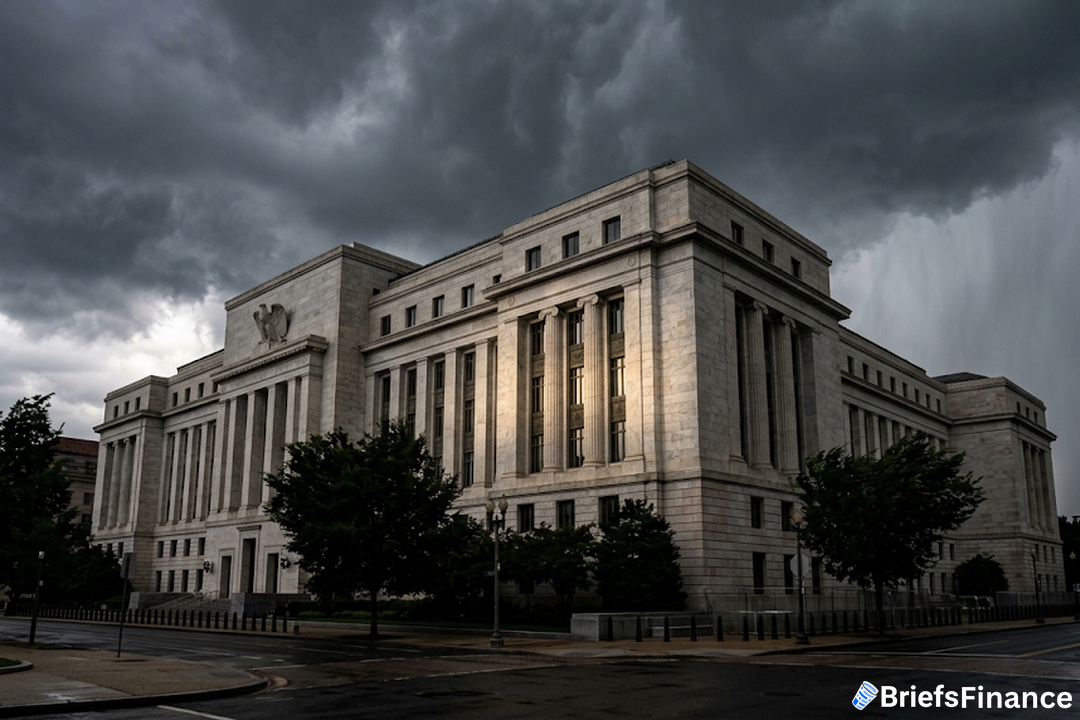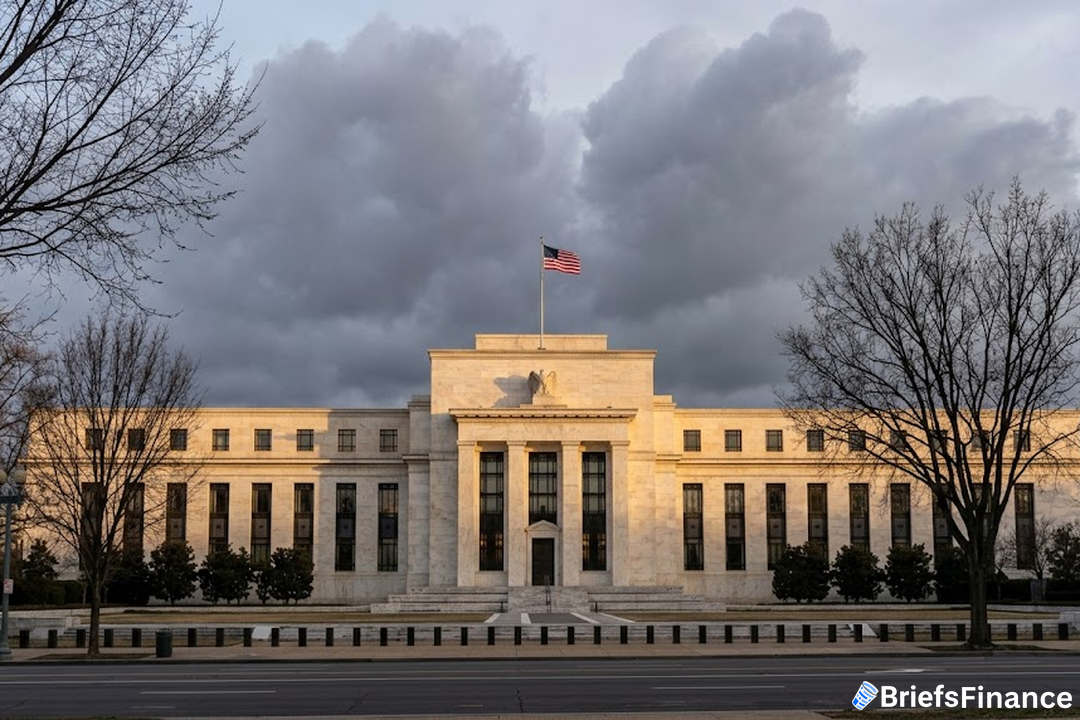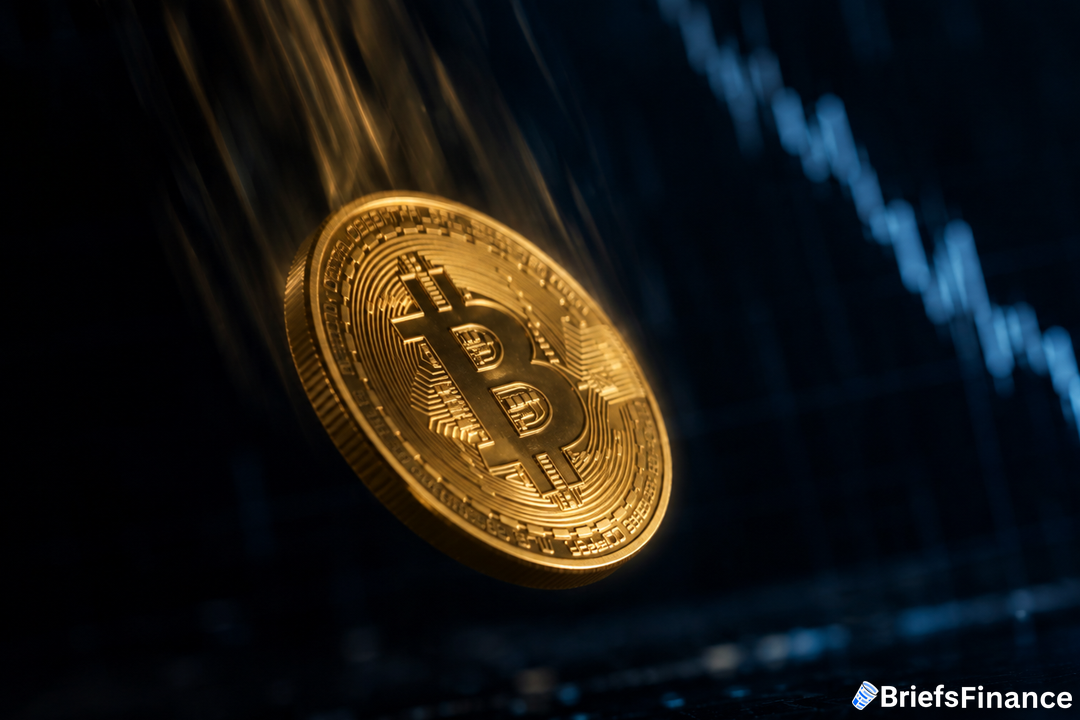
The Federal Reserve wants to reset the economy, and it is starting with the dollar.
Two cracks forced its hand. The economy is not growing fast enough, and the cost of living - rent, groceries, gas - has been rising faster than most incomes.
Until recently, the White House and the Fed were pulling in the same direction: stimulate the economy and stop worrying about inflation. That just flipped, because the Fed is now committed to slowing the economy to fight inflation, while President Trump wants to keep stimulating it even if that means more pain and inflation.
That fight will hit the stock market, the job market, incomes, and the value of every dollar you hold. Navigating it takes better research, which is why our CEO Jaspreet Singh is hosting our first-ever investor livestream on November 17 to show you how to use ChatGPT and Claude to invest like a pro. Save your seat.
How the Economy Got Addicted to Government Spending
When the pandemic hit in 2020, the government shut the economy down and did two things. It started quantitative easing, which is a polite name for printing money, and it cut interest rates to zero, the lowest in history.
The Fed is not a bank, not a reserve, and not federal, but it can create money out of thin air. Those trillions in stimulus checks, unemployment checks, business loans, grants, and bailouts were borrowed from the Fed, which printed them.
Nobody was working, yet the economy grew in 2020, 2021, and into 2022. The trick was that the national debt grew faster than the economy, and the economy got hooked on government spending.
The cost of all that printing was inflation, which hit 9.1% in 2022. So the Fed switched sides, replacing quantitative easing with quantitative tightening, which pulls money back out of the economy, and raising interest rates to slow spending down.
The inflation rate came down, but prices did not. They just started rising less quickly.
By 2025 the Fed decided the economy looked stable enough to stimulate again, so it restarted quantitative easing and began cutting rates.
The War Turned an Inflation Problem Into a Bond Crisis
In 2026, the United States attacked Iran, and Iran controls the Strait of Hormuz, a chokepoint for a large share of the world's oil.
Global demand for oil did not change, but the supply of oil fell, so prices skyrocketed. Higher oil means higher gas and diesel, and diesel is what moves goods from a farm or a factory to the shelf at Walmart, Amazon, or Kroger.
Nobody got a war tax bill in 2025 or 2026, yet troops, ammunition, missiles, and tanks have cost billions, and every dollar of it came from new debt. The government was already more than $40 trillion in debt, and when it went looking for more lenders in 2026, it could not find enough of them.
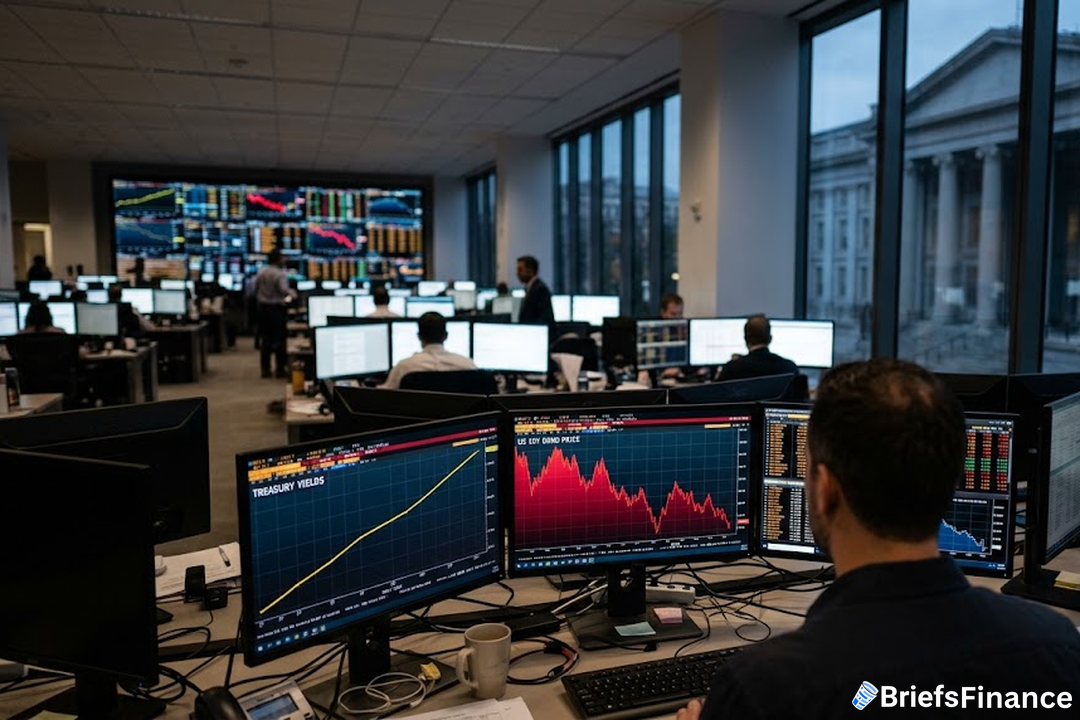
A treasury is simply a loan to the U.S. government, and too few investors wanted to buy a treasury. So the pitch changed from "lend to us at 4%" to "how about 5%?", which set off the 2026 bond crisis and the highest Treasury yields in decades.
The Fed filled part of the gap, and it prints money every time it lends to the government. The war raised prices once through oil and again through the printing press.
Interest Is Now Washington's Fastest-Growing Bill
The government has one source of revenue, taxes, and its fastest-growing expense is not Social Security, veterans' benefits, or the military. It is interest on the national debt.
The national debt is not a 30-year fixed-rate mortgage; it is an adjustable loan.
Before the pandemic, the government typically borrowed for 30 years at around 2.1% or 2.2%. During the pandemic it got greedy and borrowed for five years at 1.8% instead, saving a little interest now without thinking about later.
Five years later, about a third of the national debt is readjusting, not at the 2% or 3% of the pandemic era but at today's far higher rates. And the Fed just raised them again.
Washington now spends more on interest than on the military, and every dollar that goes to interest is a dollar that does not go to citizens.
The Debt Is Now Bigger Than the Economy
In 2026 the national debt passed the size of the U.S. economy. Debt-to-GDP compares what the government owes to what the economy produces in a year:
| Period | Debt-to-GDP |
|---|---|
| After World War II | About 105% |
| Early 1970s | About 35% |
| 2000 | About 50% |
| 2026 | About 125% |
America never paid off its World War II debt. It inflated part of it away and grew out of the rest through an industrial boom, new suburbs, and new manufacturing.
At 125%, the economy has become so reliant on the government that it cannot grow fast enough on its own.
The median American's income has not kept up with reported inflation over the last six years or the last 50. That leaves the average worker poorer than five years ago and 50 years ago, while the average investor is richer, because inflation makes investors rich.
Why the Government Can't Just Live Within Its Means
The economy is measured by GDP, which only counts spending. Buy a Chipotle bowl and you add to GDP; add the extra meat and the guac and you add more.
The biggest spender of all is not Chipotle, Amazon, or Tesla. It is the U.S. government, which collects around $5 trillion a year in taxes and spends around $7 trillion, and much of that $2 trillion gap gets printed by the Fed.
There are two ways to live within our means. The first is to collect more tax dollars, but Washington just cut taxes with the One Big Beautiful Bill Act.
It paid for the war with printed money instead, and printed money is a hidden tax called inflation.
The second is cutting spending, but cutting what: Social Security, veterans' benefits, welfare, infrastructure, or the war budget? Every cut means somebody does not get paid, and somebody who does not get paid loses a job.
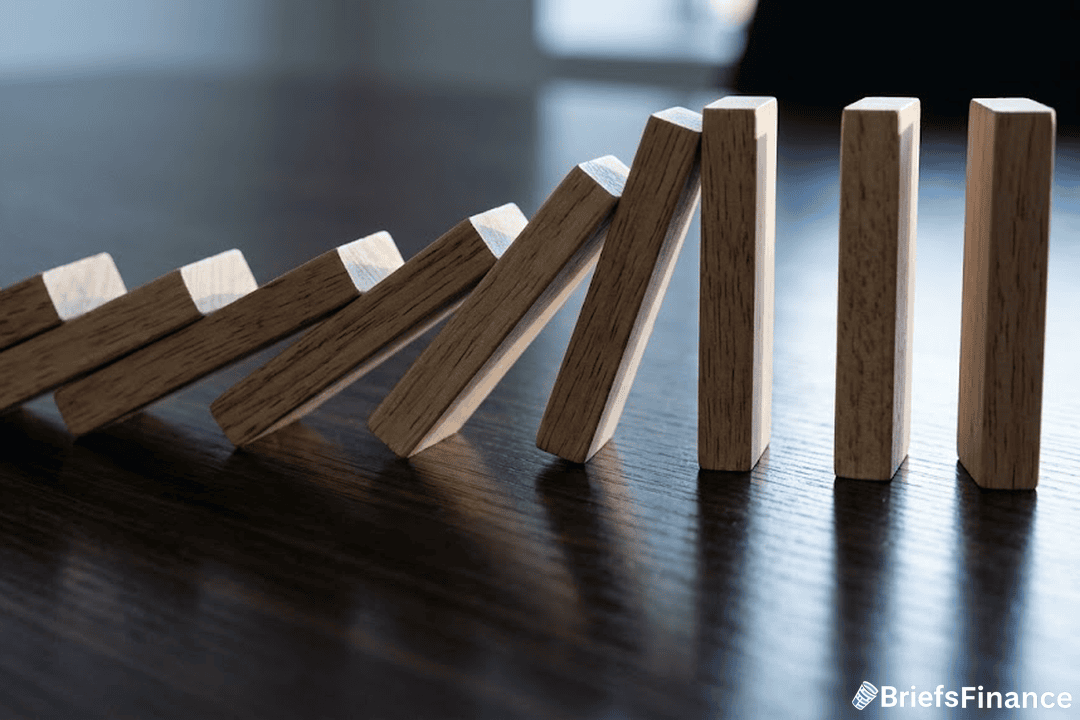
There is no fixing this without pain, and the spiral looks like this:
- The government spends money it does not have, so it borrows.
- There are not enough lenders, so the Fed prints.
- Printing causes inflation, so the Fed raises interest rates.
- Higher rates slow the economy, which is exactly what the White House does not want.
President Trump's answer is to outgrow the debt rather than pay it off or inflate it away, since inflation is already the problem. The trouble is that stimulating an economy this dependent on Washington makes inflation worse, which forces the Fed to hike.
The worry has shifted from inflation to recession, and investors could get the pain of one, the other, or both. Any time money moves this much, it creates opportunity, and AI can help you find it faster. Join Jaspreet on 11/17 for our first-ever investor livestream, where he'll show you how to use ChatGPT and Claude to invest like a pro. Register here.
Trump's Growth Plan Runs Straight Into the Fed
The White House is betting on five things to grow the economy faster than the debt.
Artificial intelligence
AI is the next industrial revolution, and whoever wins the race powers the world's AI. The United States is winning, and China is not far behind.
Some top AI leaders, including Elon Musk, said in recent weeks that development should slow down because AI could destroy humanity. President Trump called into a big tech conference with the CEO of Nvidia to say the worry is a hoax fueled by China, and America cannot slow down.
The Treasury Secretary went further: if China beats the United States in AI, nothing else matters, not even the military.
Energy
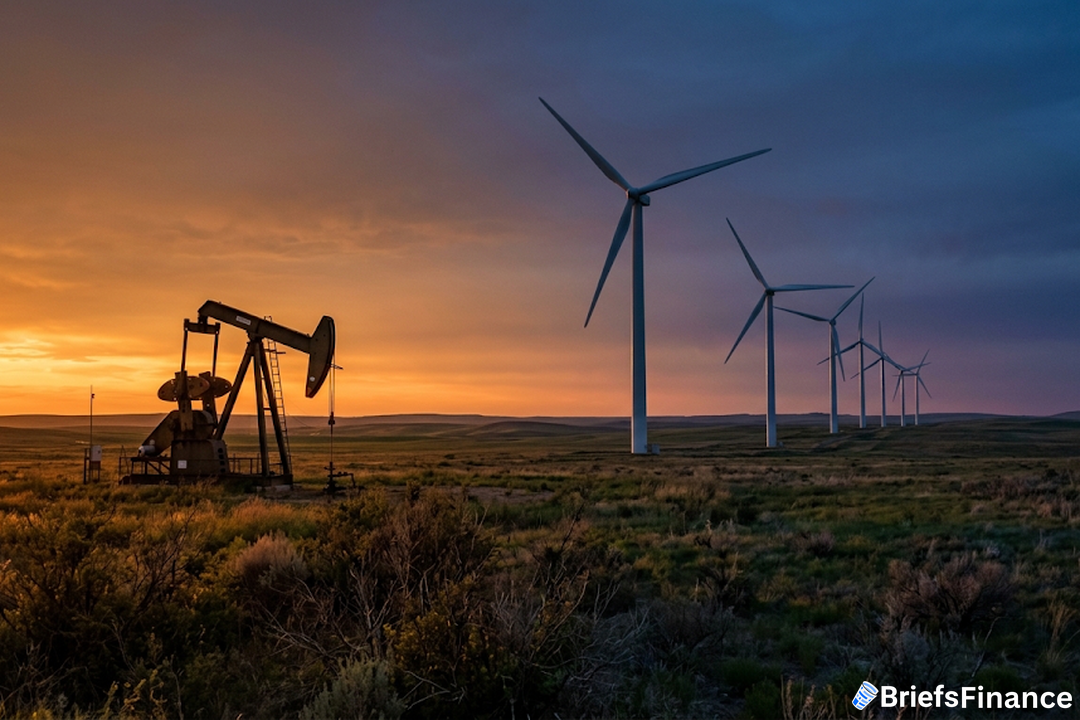
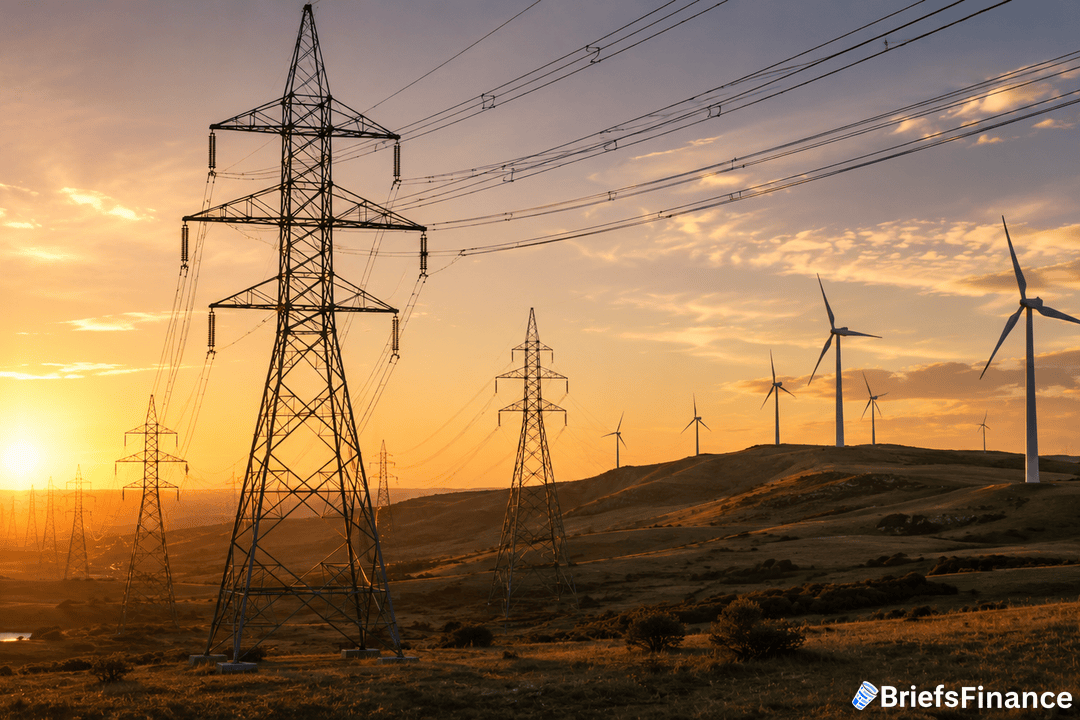
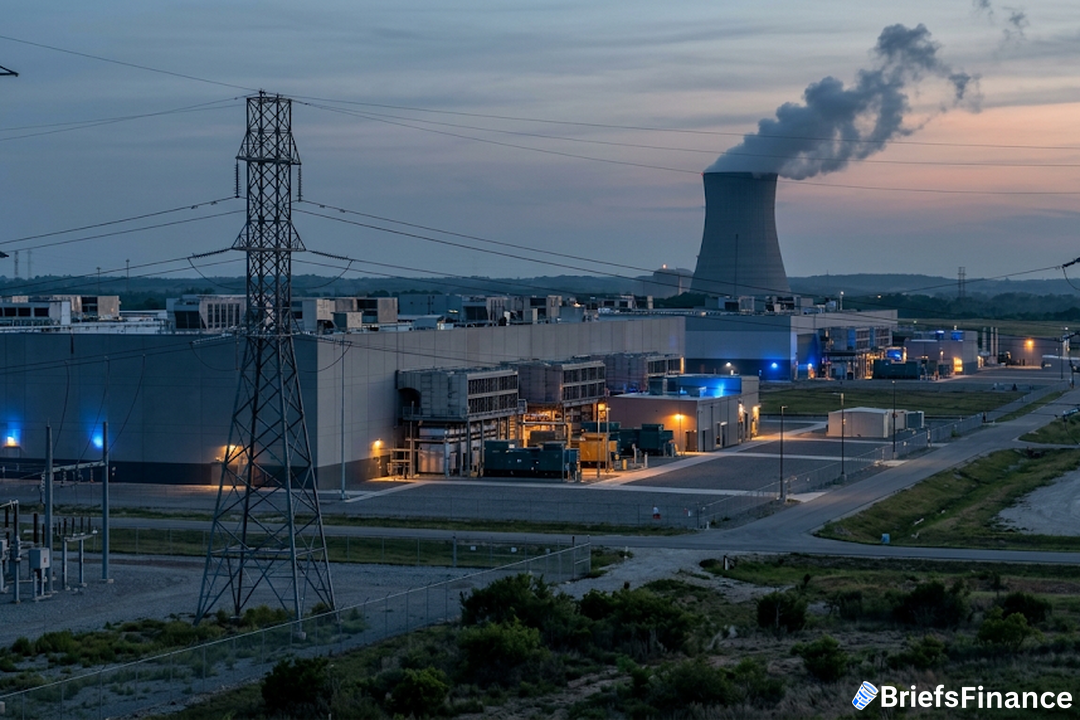
Asking an AI chatbot a question uses far more energy than a Google search. America is winning the race for AI chips but losing the energy race, because China has invested heavily in its grid in a way the United States has not.
Rare earths
Rare earth metals go into iPhones, military hardware, and most of what America makes, and China has been essentially the only producer in modern history. When the tariffs hit, China cut off supply, so the White House is trying to rebuild American rare earth mining almost from scratch.
Manufacturing
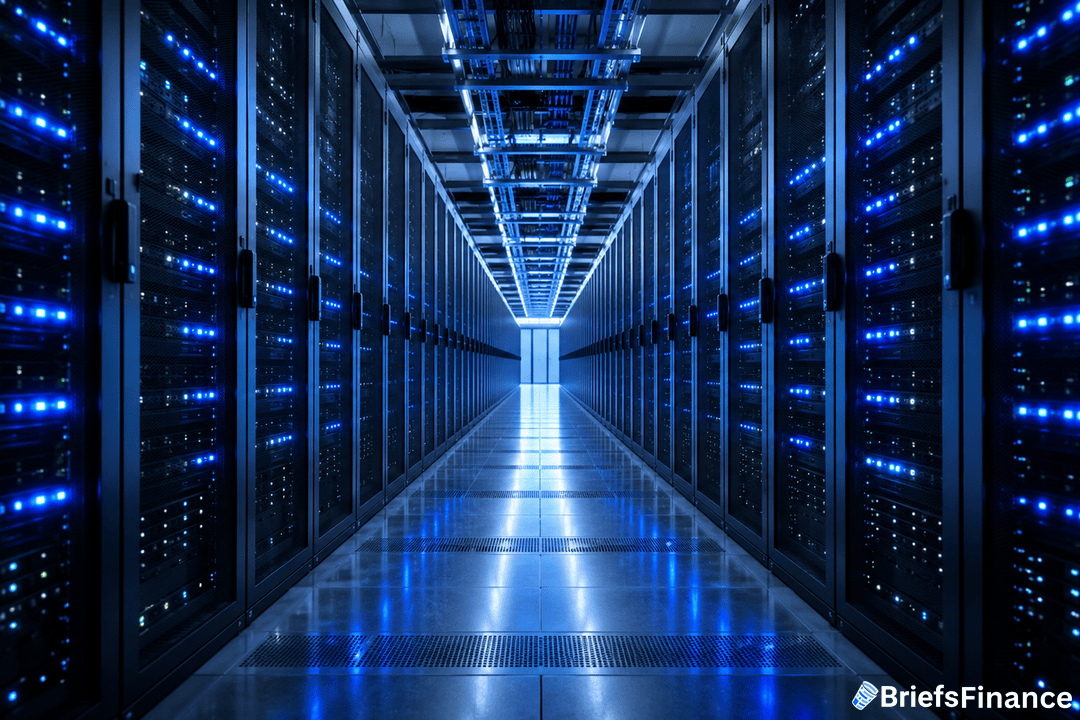
Tariffs make overseas production more expensive, and the biggest thing being built is data centers. Once built, they run on robots and a handful of humans, so the open question is whether they create enough jobs compared to the factories of the past.
The fifth bet is deregulation, making it easier for businesses to do business.
The catch with all five is who is paying. Washington has poured billions into AI, energy, and rare earths, and that spending causes the very inflation the Fed is fighting with higher rates.
Private Equity and Private Credit Bet on Rate Cuts That Never Came
Private equity firms raise money, often with debt, buy companies, and try to sell them later for a big profit. During the pandemic, debt was nearly free and valuations were sky-high.
A company earning $1,000 might sell for a 10 times multiple, or $10,000, and some tech companies went for 50, 60, or 70 times earnings.
Now those loans are readjusting at higher rates, and valuations have fallen, because when rates go up valuations go down and investors get less speculative. Many private equity firms are underwater, not because their assets are bad but because they paid prices that no longer make sense.
Their plan was to wait for lower rates, which at the start of 2026 was the consensus. President Trump promised them, appointed a new chairman at the Federal Reserve in 2026, and said America should have the lowest interest rates of any country in the world.
Private equity was holding its breath for late 2026 or 2027, when loans could be refinanced and bad assets sold. Instead, inflation came back and the Fed raised rates, so if rates stay high over the next 12 months, there will probably be more private equity bankruptcies.
Private credit is the other side of the same coin. Instead of buying companies, it lends to them at 8%, 9%, 10%, or 12% a year, using money from regular investors who thought it was as safe as a savings account.
Those loans adjust too, so as rates rise and the economy slows, borrowers default and private credit firms cannot pay their investors back. Big names including BlackRock and Blackstone have frozen funds, telling investors that letting them withdraw would cause a collapse.
Are We in a Recession? The Fed Just Decided It's Worth the Risk
The Fed is resetting its expectations because inflation has become too big to ignore. Fighting it means slowing the economy, and with debt at 125% of GDP, this is an economy that runs on government spending.
That is why concern is shifting toward recession: higher rates bring more bankruptcies, more defaults, and more pain, while the inflation and debt problems have not gone anywhere.
There are only four ways out of a national debt this size:
- Pay it back. Nobody actually does this.
- Default. Stop paying, and the global economy goes into a chaos it has never seen.
- Debasement. Print so much money that the debt is worth less. America has done it before, but it risks hyperinflation, where prices spiral out of control, and you cannot do it when inflation is already the problem.
- Outgrow it. Grow the economy faster than the debt, with a little debasement mixed in as long as growth stays ahead.
Outgrowing the debt is the plan, but it requires an economy that can move without government support. That requires a stable dollar, which requires inflation under control, which requires higher interest rates and some pain first.
The 1970s Already Ran This Experiment
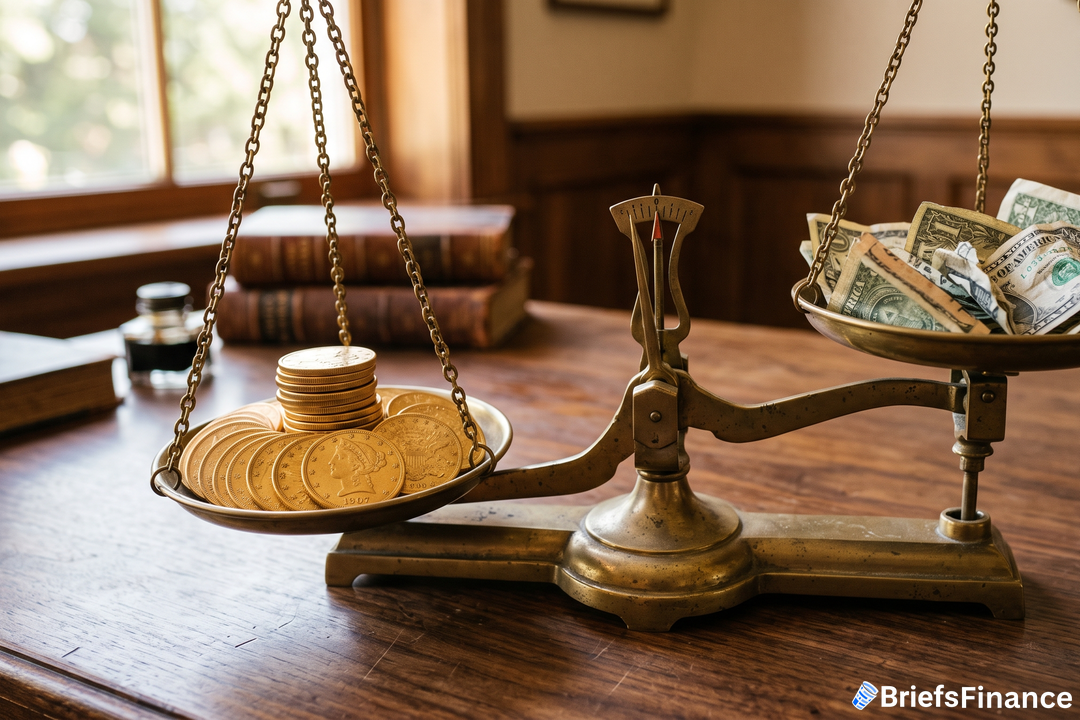
History does not repeat, but it rhymes. In 1971, President Nixon took the dollar off the gold standard "temporarily" because the government had bills it could not pay, and a dollar backed by physical gold cannot simply be printed.
So America printed, paid everyone back, and never went back to gold. The printing caused inflation, the Yom Kippur War piled an oil spike on top, and the Fed raised rates to fight it.
Then the Fed thought it had won, cut rates to stimulate again, and watched inflation come back in double digits, higher than anything the pandemic produced. Killing it took rates of around 20%, which meant 15% to 20% interest to get a mortgage and extremely high unemployment, but it saved the dollar and the economy grew sustainably afterward.
The open questions today are whether the Fed stays committed and how many hikes it takes: a couple, or a long campaign.
What Higher Interest Rates Mean for Investors
Higher interest rates are not good or bad. They just move the opportunities around.
They are great for investors sitting on cash or buying treasuries, who finally earn a real return. They are also great for anyone who believes in the long-term health of the dollar, because higher rates help protect the U.S. dollar.
Speculative assets may not grow the way they did. Low-rate, high-inflation eras produce booms, with unreal gains in things that do not make sense, and that is far less likely when investors have less money to risk.
Instead, value assets start to look attractive, investors get savvier, and markets get more volatility. It is the old balance of debasement versus recession, and right now the Fed says it will protect against inflation even if that causes a recession.
The war could end, inflation could surprise, and the Fed could change its mind next time. But this is what we know today.
How to Prepare for a Recession, Inflation, or Both: Three Ways to Invest
Stay passive. Passive investing into the markets works, but with a higher cost of living it might not be enough.
Buy the crash. A recession or market crash is a great opportunity, because investors panic and sell, and great investments go on sale.
Investors who bought stocks after the 20% drop in 2022, the 35% drop in 2020, or the 50% drop in 2008 built real wealth. Nobody knows when the next crash comes, so it pays to hold some extra cash for it, but waiting for crashes is not a strategy on its own.
Follow the market shifts. This means identifying where the money is moving, which is research, not chasing headlines.
Where the money moves next is the question every smarter investor should be asking.
The investors who follow the money instead of the headlines will find the best opportunities to grow their wealth.