Why Ukraine Needs Help
Ukraine's air defenses are running low, and the White House visit last week did not change that.
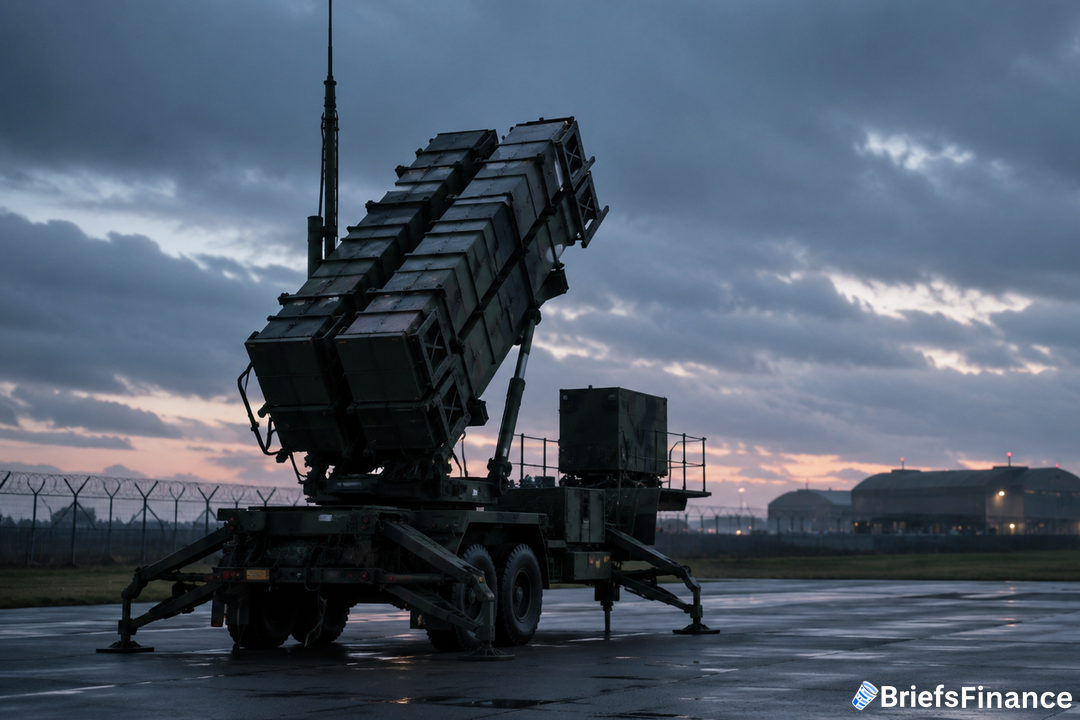
Zelenskyy asked President Trump for 300 Patriot interceptors, according to Axios. But Trump did not promise any new supplies. Ukraine's ambassador to Washington, Olha Stefanishyna, explained, "The US does not have enough to spare right now." Its own stockpiles have been squeezed by the ongoing war against Iran.
That leaves Ukraine in a bind. Without enough Patriots to defend its cities, the country needs to find missiles somewhere else.
The United States has been forced to keep Patriot batteries in the Middle East because of the fighting there, which has drained its available inventory. This global demand has left little surplus for Ukraine, despite the country's critical need to protect its cities and infrastructure.
So Ukraine is now turning to other allies. Shortly after a Russian missile struck eastern Poland, Polish Prime Minister Donald Tusk indicated he would contemplate providing additional Patriot systems.
Get the market news that matters in a five-minute read with Market Briefs, our free daily newsletter
Without adequate air defense, Ukraine's energy infrastructure and civilian centers remain vulnerable. The Patriot system is one of the few weapons capable of intercepting ballistic missiles, which Russia has increasingly used. The US has prioritized its own stockpiles and commitments to other allies, leaving Ukraine to seek alternatives.
This situation underscores the global strain on air-defense resources amid multiple conflicts.
The Numbers and the Timeline
The Pentagon announced a $59 billion plan on Wednesday to boost production of Patriot interceptors. But that kind of manufacturing takes years to ramp up.
Ukraine has an alternative plan. On July 8, Trump promised to issue those licenses, though the permits remain outstanding.
In discussions about potential manufacturing, Zelenskyy held talks with Pentagon representatives and leaders of Lockheed Martin Corp., the US defense contractor that makes the Patriot system, to discuss possible production. Stefanishyna said Ukraine can offer "so many things" for companies like Lockheed Martin "to be able to develop and scale up and adjust their technologies to the new reality."
Meanwhile, Stefanishyna has submitted her resignation request so she can go back to Ukraine to respond to corruption accusations. A replacement has not been confirmed.
The Strategic Stakes for Europe
The shortfall in Patriot interceptors carries risks far beyond Ukraine's borders. If Russian missiles continue to strike Ukrainian cities with impunity, the humanitarian toll will rise and the strain on neighboring countries - such as Poland and Romania - could intensify. These nations have their own Patriot systems to protect, but sharing even a few launchers could create vulnerabilities on NATO's eastern flank.
Ukraine's ability to hold out until it can produce its own missiles therefore depends not only on US policy but also on the willingness of European allies to temporarily weaken their own defenses. This delicate balancing act highlights why Kyiv is pressing so hard for a US production license, which would give it long-term independence from foreign donations.
Join Market Briefs, our free daily newsletter, for a quick daily rundown of the markets