Free NewsletterPro Login

Warning: Undefined variable $stocks in /var/www/briefs.co/htdocs/wp-content/plugins/oxygen/component-framework/components/classes/code-block.class.php(133) : eval()'d code on line 448

Warning: foreach() argument must be of type array|object, null given in /var/www/briefs.co/htdocs/wp-content/plugins/oxygen/component-framework/components/classes/code-block.class.php(133) : eval()'d code on line 448

Warning: Undefined variable $funds in /var/www/briefs.co/htdocs/wp-content/plugins/oxygen/component-framework/components/classes/code-block.class.php(133) : eval()'d code on line 472

Warning: foreach() argument must be of type array|object, null given in /var/www/briefs.co/htdocs/wp-content/plugins/oxygen/component-framework/components/classes/code-block.class.php(133) : eval()'d code on line 472
/* the link was here */
Home » Deep Briefs »  » Renting vs. Buying: The Real Math Behind Your Biggest Financial Decision

Renting vs. Buying: The Real Math Behind Your Biggest Financial Decision

Published: Oct 21, 2025 
Disclosure: Briefs Finance is not a broker-dealer or investment adviser. All content is general information and for educational purposes only, not individualized advice or recommendations to buy or sell any security. Investing involves significant risk, including possible loss of principal, and past performance does not guarantee future results. You are solely responsible for your investment decisions and should consult a licensed financial, legal, or tax professional before acting on any information provided.
Summary:

  • Buying isn't always better financially, despite popular belief
  • Hidden homeownership costs (taxes, insurance, maintenance) add 1-3% of home value annually
  • The "break-even point" typically takes 5-7 years before buying beats renting
  • Opportunity cost matters: down payment money could earn returns elsewhere
  • Your lifestyle, career stability, and local market determine the right choice

The True Cost of Homeownership

Most people drastically underestimate what homeownership actually costs.

Beyond the Mortgage Payment

Your mortgage payment is just the starting point. Here's what homeownership really costs:

Property taxes: 0.5-2.5% of home value annually, depending on location. On a $400,000 home, that's $2,000-10,000 per year.

Homeowners insurance: $1,000-3,000+ annually, more in high-risk areas for hurricanes, floods, or earthquakes.

Maintenance and repairs: The standard estimate is 1% of home value annually. For a $400,000 home, budget $4,000 yearly for repairs and maintenance.

HOA fees: $200-700 monthly in many communities, adding $2,400-8,400 annually.

Utilities: Homeowners typically pay more than renters because houses are larger and owners cover all utilities.

Mortgage interest: In the early years, 80-90% of your mortgage payment goes to interest, not principal.

Closing costs: 2-5% of purchase price upfront ($8,000-20,000 on a $400,000 home).

The Hidden Costs People Forget

Opportunity cost of down payment: That $80,000 down payment could have been invested in the stock market potentially earning 7-10% annually.

Transaction costs when selling: Realtor commissions (5-6%), closing costs, and staging/repairs to sell typically total 8-10% of sale price.

Furniture and improvements: New homeowners spend an average $10,000-15,000 in the first year on furniture, window treatments, and immediate upgrades.

Time cost: Yard work, maintenance, and home management consume 5-10 hours monthly that renters spend elsewhere.


The True Cost of Renting

Renting isn't just your monthly rent payment either, but it's simpler to calculate.

What Renting Actually Costs

Monthly rent: Your primary expense, typically including basic maintenance.

Renters insurance: $150-300 annually, far less than homeowners insurance.

Utilities: Usually lower than homeowners because rental units are typically smaller.

Moving costs: $500-2,000 when you relocate, though moving is easier than selling a home.

What Renting Doesn't Cost

No property taxes: Landlords pay these, though they're factored into rent.

No maintenance expenses: Broken water heater? Landlord's problem.

No HOA fees: Any community fees are the landlord's responsibility.

No transaction costs: Moving costs far less than buying/selling (8-10% of home value).

No opportunity cost: Your down payment stays invested earning returns.


The Rent vs. Buy Calculator

Let's compare real numbers for someone considering a $400,000 home versus renting.

Buying Scenario

Purchase price: $400,000 Down payment (20%): $80,000 Mortgage amount: $320,000 Interest rate: 7% Monthly mortgage payment: $2,129 Property taxes (1.5%): $500/month Insurance: $150/month Maintenance (1%): $333/month HOA: $200/month Total monthly cost: $3,312

First-year costs:

  • Down payment: $80,000
  • Closing costs (3%): $12,000
  • Monthly payments: $39,744
  • Furniture/improvements: $12,000
  • First-year total: $143,744

Renting Scenario

Monthly rent: $2,200 Renters insurance: $20/month Total monthly cost: $2,220

First-year costs:

  • Security deposit: $2,200 (refundable)
  • Moving costs: $1,500
  • Monthly payments: $26,640
  • First-year total: $28,140

The Five-Year Comparison

Over five years with 3% annual appreciation and 3% annual rent increases:

Homeowner:

  • Total spent: $278,920
  • Equity built: $65,000 (principal paydown)
  • Home appreciation: $63,000 (3% annually)
  • Net position: -$150,920 (after equity and appreciation)

Renter:

  • Total spent: $143,880
  • Down payment invested at 8%: $117,466
  • Net position: -$26,414

Result: After five years, the renter is ahead by $124,506 in this scenario.

The Ten-Year Comparison

Homeowner:

  • Total spent: $477,440
  • Equity built: $145,000
  • Home appreciation: $137,000 (3% annually)
  • Net position: -$195,440

Renter:

  • Total spent: $306,219
  • Down payment invested at 8%: $172,434
  • Net position: -$133,785

Result: After ten years, the homeowner starts pulling ahead by about $61,655.


The Break-Even Point

The break-even point is when buying becomes financially better than renting.

Factors That Affect Break-Even Time

Home price appreciation: Higher appreciation favors buying. In hot markets (4-5% annual appreciation), break-even happens faster. In flat markets (1-2% appreciation), renting wins longer.

Rent inflation: Higher rent increases favor buying. If rent rises 5% annually versus 3% for home prices, break-even accelerates.

Interest rates: Lower mortgage rates shorten break-even time. At 4%, break-even might take 4 years. At 8%, it might take 8+ years.

Local market dynamics: San Francisco has high home prices but also high rents (favors buying). Many Midwest cities have reasonable home prices but cheap rent (favors renting).

Tax benefits: Mortgage interest deductions reduce effective homeownership costs, though 2017 tax law changes limited these benefits for many people.

Typical Break-Even Ranges

  • Hot expensive markets (SF, NYC, LA): 7-10+ years
  • Moderate markets: 5-7 years
  • Affordable markets with rising rents: 3-5 years
  • Declining markets: May never break even

Beyond the Math: Lifestyle Factors

Numbers don't tell the whole story. Personal circumstances matter enormously.

When Buying Makes Sense

You're staying 7+ years: The longer you stay, the better buying performs financially. Transaction costs get amortized over more years.

You have stable income: Job security and predictable income make mortgage payments manageable.

You want stability: Fixed mortgage payments protect against rent increases and potential displacement.

You value control: Want to renovate? Paint bright colors? Get a dog? Homeownership offers freedom renters don't have.

Local market favors buying: In some markets, buying is clearly cheaper than renting even short-term.

You're disciplined with money: Forced savings through mortgage principal builds wealth for those who wouldn't otherwise save.

When Renting Makes Sense

You're staying under 5 years: Transaction costs and slow equity building make buying unprofitable short-term.

Career uncertainty exists: Job changes, potential relocations, or career transitions favor flexibility.

You lack emergency funds: Home emergencies (new roof, HVAC, foundation issues) can cost $10,000-50,000. Without reserves, these become crises.

You value flexibility: Want to move for a job? Try different neighborhoods? Travel extensively? Renting provides freedom.

Local market favors renting: In expensive coastal cities, renting often makes more financial sense.

You're a disciplined investor: If you invest the difference between rent and ownership costs, you might build more wealth renting.


The Rent-to-Price Ratio Test

This simple metric reveals whether your market favors renting or buying.

How to Calculate

Annual rent ÷ Home purchase price = Rent-to-price ratio

If annual rent is $24,000 and comparable homes cost $400,000: $24,000 ÷ $400,000 = 0.06 or 6%

What the Numbers Mean

Above 5%: Renting is often the better deal. Markets like San Francisco, New York, and Los Angeles typically score 3-4%, making buying expensive relative to renting.

4-5%: Borderline. Break-even happens around 5-7 years. Personal factors determine the right choice.

Below 4%: Buying is usually the better deal financially. Many Midwest and Southern cities score here, making homeownership attractive.


Common Myths About Renting vs. Buying

Several persistent myths cloud the rent vs. buy decision.

"Renting Is Throwing Money Away"

This is the most pervasive myth. Renting isn't throwing money away any more than buying food is throwing money away.

Rent pays for housing, flexibility, and not dealing with maintenance. Interest on mortgages, property taxes, insurance, and maintenance are equally "thrown away" - they don't build equity.

In the homeownership example earlier, only about 25% of monthly costs build equity in early years. The rest (interest, taxes, insurance, maintenance) is "thrown away" just like rent.

"Homeownership Is Always a Good Investment"

Tell that to 2008 homeowners who watched values drop 30-50%.

Homes can depreciate. Markets can crash. Maintenance can exceed appreciation. Bad locations don't appreciate. Homeownership is not guaranteed wealth building.

"You Need to Buy Before Getting Priced Out"

Fear-based decisions are usually poor decisions.

If you're not financially ready, buying out of fear you'll never afford a home creates risk. Overextending yourself to "get in" often leads to financial stress or foreclosure.

"A Mortgage Payment Builds Equity; Rent Doesn't"

Only the principal portion builds equity. Interest, taxes, and insurance don't.

In year one of a $320,000 mortgage at 7%, only $3,372 of your $25,548 in payments builds equity (13%). The rest is effectively rent paid to the bank and government.


The Opportunity Cost of Your Down Payment

The down payment opportunity cost often tips the scales toward renting.

The Investment Alternative

An $80,000 down payment invested in index funds historically earns 8-10% annually.

After 10 years at 8%: $172,434 After 20 years at 8%: $372,755 After 30 years at 8%: $805,596

That's nearly $806,000 from your original $80,000 - money that's completely liquid, diversified, and accessible.

Comparing Returns

Home appreciation averages 3-4% annually long-term, barely ahead of inflation.

Stock market returns average 8-10% annually long-term. The 4-6% annual return difference compounds dramatically over decades.

A $400,000 home appreciating 3% annually is worth $648,000 in 20 years. Your $80,000 invested at 8% becomes $372,755 - and you still have that cash available.


Making Your Decision

Use this framework to decide whether to rent or buy.

Step 1: Run the Numbers

Use a rent vs. buy calculator (New York Times has an excellent one) with your specific situation:

  • Local home prices
  • Comparable rent
  • Expected stay duration
  • Current interest rates
  • Down payment amount
  • Investment return assumptions

Step 2: Consider the Break-Even Point

If you're staying longer than the break-even point, buying might make sense. If you're leaving before break-even, renting wins financially.

Step 3: Evaluate Lifestyle Factors

Numbers aren't everything. Consider:

  • Career stability and trajectory
  • Family plans (kids, schools, space needs)
  • Desire for stability vs. flexibility
  • Willingness to handle maintenance
  • Emotional value of ownership

Step 4: Assess Financial Readiness

You're financially ready to buy when you have:

  • 20% down payment saved
  • 6+ months emergency fund
  • Stable income covering 28% housing cost ratio
  • Good credit (720+ score)
  • Low debt-to-income ratio (under 36%)

Missing any of these? Keep renting and building financial stability.


The Bottom Line

Renting vs. buying isn't a moral choice between responsibility and irresponsibility. It's a financial decision based on math, market conditions, and personal circumstances.

In expensive markets with low rent-to-price ratios, renting often builds more wealth. In affordable markets where homes cost 15-20 times annual rent, buying usually wins.

Short stays (under 5 years) favor renting because transaction costs and slow equity building erase benefits. Long stays (7+ years) favor buying because costs get amortized and equity compounds.

Run the numbers for your specific situation. Consider your lifestyle needs. Assess your financial readiness. Make the decision that optimizes your wealth building and aligns with your life plans.

The right answer isn't universal. It's personal. And it might be different in three years when circumstances change.

Don't buy because you "should" or because everyone else is buying. Buy when the math works and your life is ready. Until then, rent without guilt and invest the difference.



Tag »

More Deep Briefs

What a Tariff Dividend Means for Your Money

No Tax on Overtime: How Overtime Pay Is Taxed

Reading the Silver Price Forecast for 2026

What to Do When Reddit Stocks Go Viral

Why Is Bitcoin Dropping Right Now?

The Fidelity 500 Index Fund, Made Simple for Beginners

USA Penny Stocks: Risks and Rewards Explained

Finding Cheap Stocks to Buy Now Without Getting Burned

Best Dividend Stocks: A Beginner's Playbook

Roth 401k, Explained for New Investors

How a Roth IRA Calculator Shows Your Future Wealth

Portfolio Diversification: Why Putting All Your Eggs in One Basket Destroys Wealth

Non Taxable Income: What It Is and Why It Matters

Semiconductor Stocks: A Simple Guide for Investors

How Stocks Work: A Simple Guide for Beginners

Stop Loss vs Stop Limit: What's the Difference?

Energy Stocks: A Simple Guide for Investors

What Is a Stop Loss Order? A Simple Guide

Best S&P 500 Index Fund: How to Choose One

What Are Penny Stocks? Risks and Rewards Explained

Best Stocks for Beginners With Little Money

Tech Stocks: A Simple Guide for New Investors

What Is a Joint Stock Company? A Simple Guide

Capital Gains Tax in California: A Simple Guide

Top Covered Call ETFs: How to Compare Them

What Are Stock Options? A Plain-English Guide

EBITDA Margin: What It Is and How to Calculate It

What Is Taxable Income? A Simple Guide for Investors

What Is a Covered Call? How the Strategy Works

What Is Gross Margin? A Simple Guide for Investors

What Is a Dividend? A Plain-English Guide for Investors

Financial Literacy Books That Actually Build Wealth

What Is a Roth Conversion? A Simple Guide

Trailing Stop Loss: How to Protect Your Gains

5 Types of Wealth: Why Money Is Only One of Them

How to Invest in Private Equity: A Beginner's Guide

What Is a Call Option? A Simple Guide With Examples

EBITDA Formula: How to Calculate It Step by Step

What Is a Stock Option? A Plain-English Guide

Put Option: What It Is and How It Works

Operating Margin: What It Is and How to Calculate It

Enterprise Value: What It Is and How to Calculate It

Free Cash Flow: What It Is and Why It Matters

What Is Working Capital? A Simple Guide for Investors

Covered Call: How This Income Strategy Actually Works

Gross Margin: What It Is and How to Calculate It

Backdoor Roth IRA: A Simple Guide for High Earners

Mega Backdoor Roth: A Simple Guide for Big Savers

Dividend Calculator: How to Estimate Your Dividend Income

How to Create Multiple Income Streams: A Beginner's Playbook

The 60/40 Portfolio Explained: A Beginner's Guide

How to Invest in Silver: A Beginner's Guide

Asset Allocation by Age: The Right Portfolio Mix at Every Stage of Life

Stablecoin Explained: Why Some Cryptocurrencies Actually Aren't Volatile

Buy Now, Pay Later Risks: Why This "Easy" Payment Method Is Dangerous to Your Wealth

Dividend Payout Ratio: The Secret Metric That Shows If a Stock Is Safe or Risky

Ethereum for Beginners: What It Is and Why Smart Investors Are Paying Attention

Dollar Cost Averaging Strategy: How to Beat Emotion and Build Wealth Steadily

The BRRRR Strategy: How to Build Real Estate Wealth Without Big Money Down

What Is GDP? A Beginner's Guide to Understanding Economic Growth

What Is Blockchain? A Plain English Guide For Investors

How To Negotiate Bills: The Script That Saves You Hundreds A Year

75 15 10 Rule: The Budget That Builds Wealth On Autopilot

How To Rebalance Portfolio: The Strategy That Forces You To Buy Low And Sell High

How To Buy Treasury Bonds: A Beginner's Guide

Forward Vs Futures Contracts: What's The Real Difference?

Alternative Investments Explained: What They Are And Why They Matter

How To Buy Bitcoin For Beginners: 3 Simple Ways

How To Follow Smart Money: The 5 Market Shifts Framework

Insider Trading Meaning: What It Really Is (And Why Some Of It Is Legal)

Core-Satellite Portfolio: The Best of Both Worlds

Bond Ladder Strategy: The Income Plan With Built-In Flexibility

Silver vs Gold Investing: Which One Belongs in Your Portfolio?

What Is a Dividend Reinvestment Plan? The Wealth Snowball Explained

How Tariffs Affect the Stock Market

What Is a 13F Filing? The Smart Money Tracker

Debt-to-Equity Ratio: The Number That Tells You If a Company Is Drowning

Non-Financial Analysis of Stocks: The 4-Step Method

SEC EDGAR Tutorial: The Free Tool the Pros Use

How to Read a 10-Q (Without Losing Your Mind)

What Is a Put Option? A Simple Guide for Investors

What Is Free Cash Flow? How To Find It & Why It's Important

Non Taxable Income: What It Is and Why Investors Care

Nasdaq Index Fund: A Beginner's Guide to Investing in the Nasdaq 100

What Is Wealth? It's Not What Most People Think

Micron Stock: The AI Memory Play Most Investors Are Missing

What Is Working Capital? What Investors Need To Know

What Is a Meme Stock? A Simple Guide for New Investors

Enterprise Value Formula: What It Is and How to Calculate It

Return on Equity: What It Is and How to Use It

Personal Finance Books That Actually Teach You to Build Wealth

How to Reduce Taxable Income: 6 Strategies Investors Actually Use

What Is a High-Yield Savings Account - and Is It Worth It?

Best Stocks to Buy Now: A Smarter Way to Think About It

How to Avoid Capital Gains Tax: 7 Legal Strategies Every Investor Should Know

How to Read a Balance Sheet (And Why Every Investor Should Know How)

What Is a Stock Broker? A Simple Guide for New Investors

Most Volatile Stocks: What They Are and Why They Move

ETF vs Mutual Fund - What's the Difference and Which One Should You Pick?

Nuclear Energy Stocks: Why Smart Money Is Betting on AI's Power Problem

1 2 3

Get Market Briefs delivered to your inbox every morning for free!

No fluff. No noise. No politics. Just finance news you can read in 5 minutes.


Join Free

Blogs

September 3, 2026
5 Passive Income Ideas That Pay You Whether You Work or Not
  • School teaches one formula: work, earn, spend. Stop working and the money stops, so the wheel never ends.
  • Five assets pay you without your labor - dividends, rent, interest, royalties, and the things you already own.
  • $80,000 a year of cash flow takes about $1 million invested at 8%, or roughly 20 years of $1,000 a month.
Read More
September 2, 2026
The Best Way to Invest 10k: Three Options To Transform 10K into 10 Million
  • Passive investing in stocks or real estate targets around 10% a year, and time in the market matters more than the price you get in at.
  • Active investing means putting your time in alongside your money, which raises the target to roughly 20% a year and raises the risk of losing it all.
  • Investing in yourself has no ceiling, because a new skill can create a new income that no market return can match.
Read More
September 1, 2026
The Tax Write Offs the Rich Are Using in 2026 While the IRS Shrinks
  • The 2026 tax brackets landed lower than they were headed, and the standard deduction jumped from a planned $8,350 to $16,100 for single filers.
  • New write offs for overtime, tips, seniors and car loan interest are live now, and most of them are written to expire in 2028.
  • About a third of IRS auditors have been fired, and four assets do most of the work for people who want income without a matching tax bill.
Read More
August 31, 2026
America Is Running Out of Debt Buyers. Treasury Bills Are the Government's Fix
  • The government took in about $5 trillion in taxes in 2025 and spent about $7 trillion, and the national debt is now over $40 trillion.
  • Investors, banks, and foreign countries are all lending less to the U.S., so starting September 9 the government plans to sell more short-term treasury bills and use that cash to buy back its long-term debt.
  • Government interest rates set the floor for your mortgage, your car loan, and your credit card, and short-term Treasury ETFs like SGOV are one way investors are playing it.
Read More
August 23, 2026
How to Get the Most From Your Guideline 401k
  • Guideline is a company that provides low-cost 401k plans, popular with small businesses and their employees.
  • A "Guideline 401k" follows the same core rules as any 401k: tax-advantaged growth, contribution limits, and often an employer match.
  • The biggest results come from capturing the full match, choosing low-cost funds, and picking Roth or traditional to fit your situation.
Read More
August 23, 2026
Principal 401k: What to Know About Your Plan
  • Principal is one of many companies that manage workplace 401k plans, so a "Principal 401k" is simply a 401k where Principal is the provider.
  • The rules of a 401k are the same no matter who runs it: pre-tax or Roth contributions, tax-advantaged growth, and often an employer match.
  • The biggest wins come from grabbing the full match, picking low-cost funds, and knowing whether Roth or traditional fits you.
Read More
August 23, 2026
What a Tariff Dividend Means for Your Money
  • A "tariff dividend" is the idea of taking money the government collects from tariffs and paying some of it back to citizens.
  • To judge the idea, you first need to know what a tariff is: a tax on imported goods, usually paid by the companies bringing them in.
  • Tariffs ripple through prices, businesses, and your investments, so the smart move is understanding those ripples, not just the headline.

Read More
August 23, 2026
No Tax on Overtime: How Overtime Pay Is Taxed
  • "No tax on overtime" refers to a tax break that lets certain workers deduct some overtime pay, lowering the income they get taxed on.
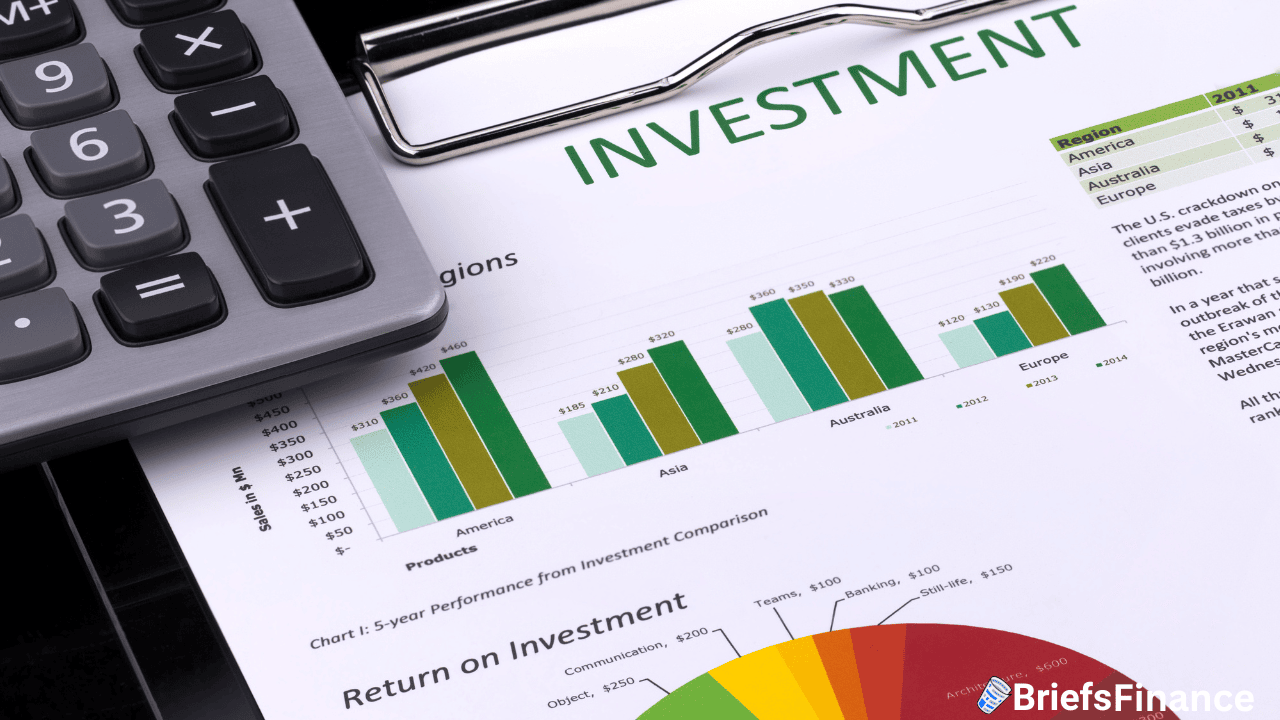
  • A deduction does not mean overtime is truly tax-free. It means part of that pay is subtracted before your tax is figured.
  • The bigger money lesson: how you earn money changes how it is taxed, and investors often get the friendliest treatment of all.
Read More
August 23, 2026
Reading the Silver Price Forecast for 2026
  • Nobody can honestly promise a specific silver price for 2026. Any exact number is a guess, so treat forecasts as opinions, not facts.
  • Silver is unusual because it is both a precious metal and an industrial metal, so its price answers to two very different forces.
  • Instead of chasing a forecast, learn the drivers - inflation, interest rates, recession fear, and industrial demand - so you can judge any prediction yourself.
Read More
August 23, 2026
What to Do When Reddit Stocks Go Viral
  • "Reddit stocks" usually means stocks getting hyped in online communities, where crowds can send a price soaring or crashing fast.
  • These tips can be entertaining and sometimes useful, but they are opinions, not research, and often come loaded with hype.
  • The safe move is to treat every online tip as a starting point, then do your own homework before risking a dollar.
Read More
1 2 3 25
Share via
Copy link