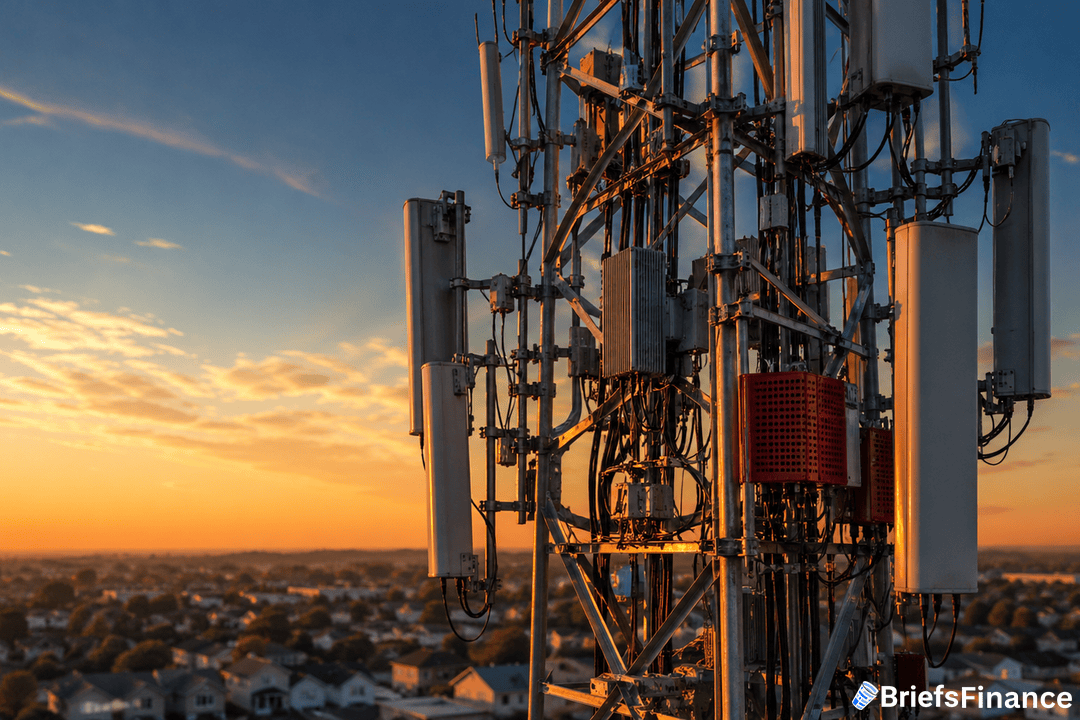
Verizon just added phone users in Q1. That has not happened since 2013.
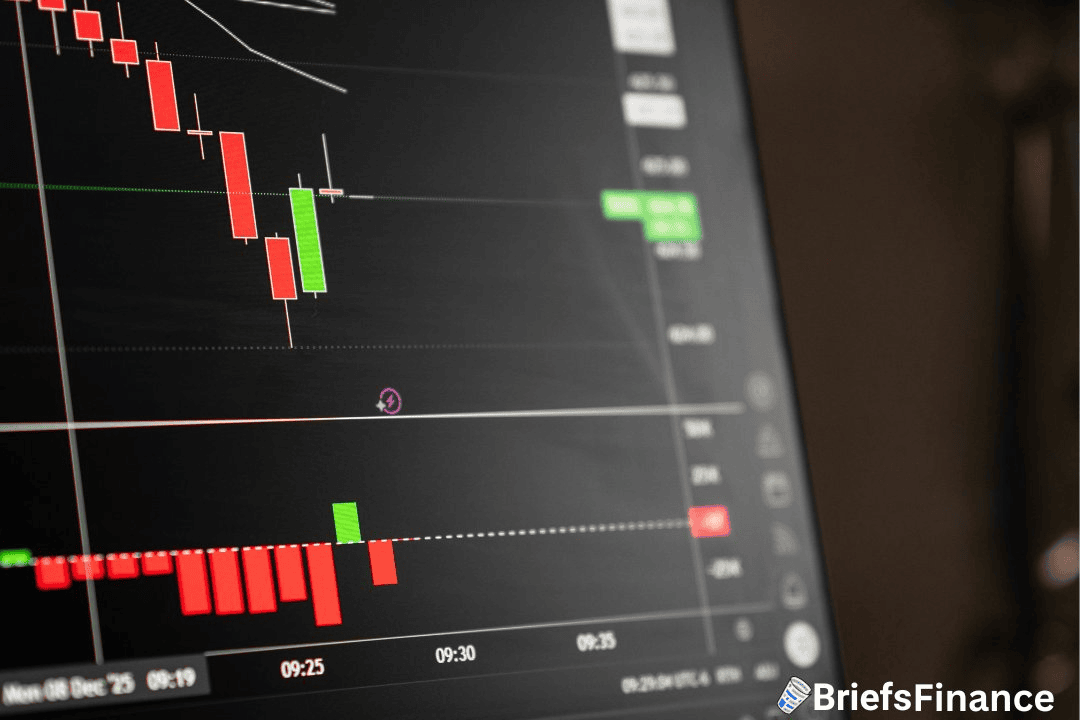
The stock rose about 3% Monday on the news.
Phone Users Are Coming Back
Verizon added 55,000 net phone users in Q1, which sounds small until you look at the swing. The carrier was bleeding phone users a year ago, so flipping to positive marks a 340,000-user shift in twelve months.
CEO Dan Schulman said the turnaround "is gaining momentum." Lower churn and a higher share of new-to-Verizon sign-ups drove the result.
In plain English, Verizon is keeping its users happy. It is also pulling new ones away from rivals like AT&T and T-Mobile.
The Guidance Raise Wall Street Cared About
Verizon raised its 2026 adjusted EPS guidance to 5% to 6% growth, with the full-year range moving up to $4.95 to $4.99.
Adjusted EPS is profit per share of stock, less one-time items.
The full-year sub forecast also moved up, with Verizon now eyeing the top half of its 750,000 to 1 million range. That is two to three times the 2025 result.
Total Q1 sales rose 2.9% to $34.4 billion, while net income rose 3.3% to $5.1 billion.
Adjusted EBITDA - profit before interest, taxes, and write-offs - hit $13.4 billion, up 6.7% on the year. That is the most the carrier has ever booked in a single quarter.
Free cash flow guide rose to $21.5 billion or more, which would mark the highest level since 2020.
Q1 free cash flow itself came in at $3.8 billion, up 4% from the year-ago quarter.
Worth Noting
Verizon closed its Frontier deal on January 20, bringing fiber broadband users into the mix. The carrier has paid back about half of Frontier's debt and plans to clear most of it by year end.
Total unsecured debt sits at $142.5 billion at the end of Q1, up from $131.1 billion at the close of 2025, with Frontier driving the rise.
Verizon added 341,000 broadband users in Q1 - 214,000 from fixed wireless and 127,000 from fiber. That brings total broadband links to about 16.8 million.
Prepaid net adds came in at 115,000, marking the seventh quarter in a row of growth on that side of the business.
Capital spending came in at $4.2 billion, with the network buildout on track. Verizon also bought back $2.5 billion of its own stock in Q1.
The carrier is on track for at least $3 billion in buybacks for the full year.
The Q1 numbers came despite an 80 basis point drag on wireless service revenue from a January network outage. That means the core business was even stronger than the headline.
After years of being the slowest of the big three U.S. carriers, Verizon is telling investors the gap is closing. Q1 says they have a case.
The next read on momentum will come with Q2 results in July, where investors will look for whether the new-to-Verizon trend held up beyond a single quarter.