Six months ago, US troops grabbed Venezuela's strongman in a raid. Today, the country's oil is back on the global market, faster than almost anyone thought it could be.
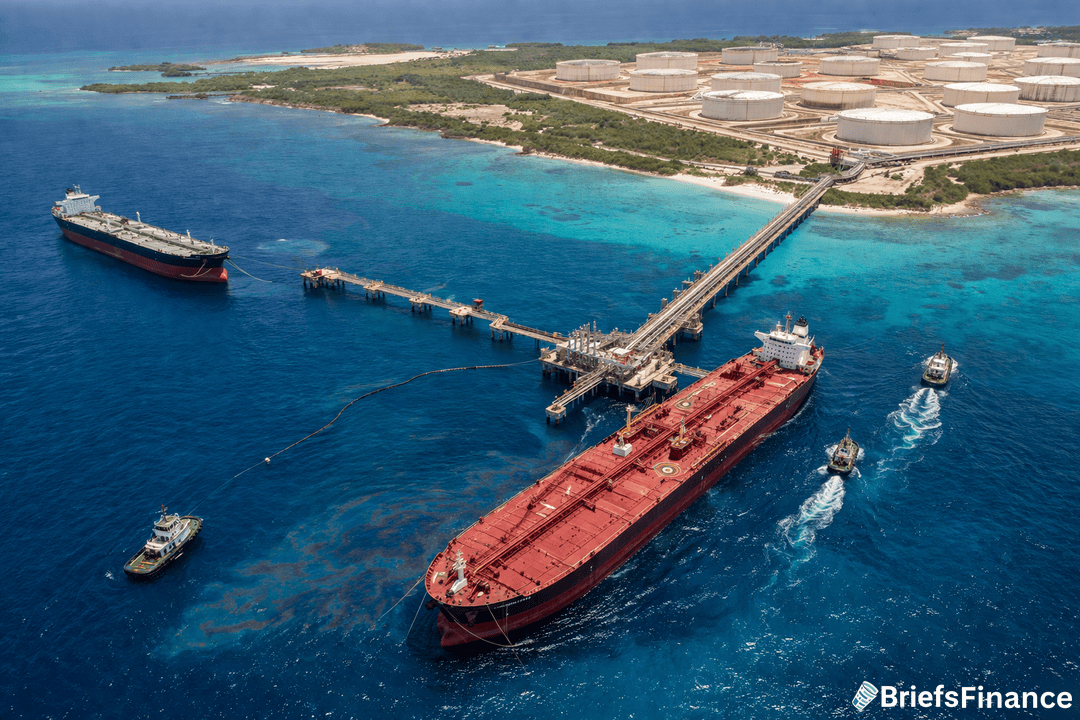
Venezuela's crude shipments crossed 1 million barrels per day in March, up 48% in a single month, per ship-tracking data cited by Reuters. Sixty tankers left Venezuelan ports that month, mostly bound for Indian plants and Caribbean storage hubs run by global trading firms.
The Deal That Restarted The Oil
The bounce traces back to a January deal between Caracas and Washington, struck after US troops grabbed Nicolás Maduro and his wife on January 3 at Fort Tiuna in Caracas. Both now face drug-trafficking charges in a Manhattan federal court.
Two days after the raid, Maduro's vice president and oil chief Delcy Rodríguez was sworn in as interim leader. Within weeks, she signed a law opening Venezuela's oil to private money, which flipped decades of state control and cleared the way for foreign cash.
Treasury then took Rodríguez off its sanctions list, which let Vitol and Trafigura handle most of the oil sales. Together, the two firms moved about 635,000 barrels per day in March alone.
Chevron's Quiet Comeback
Chevron is the other big winner, with shipments rising to 267,000 barrels per day in March from 209,000 in February. The firm kept a small foothold in Venezuela through the sanctions years, which gave it a head start as the rules eased.
For investors watching oil, the size of the bounce matters because Venezuela holds the world's biggest proven oil reserves at about 303 billion barrels. The country has been selling at a tiny slice of its full size for years, so any move toward normal supply changes the global price math, with the Iran-Hormuz hit still squeezing the other side.
US Energy chief Chris Wright thinks Venezuela's output could rise another 30% to 40% in 2026, which would add about 300,000 to 400,000 barrels per day on top of today's level. Pre-Chávez peak output was over 2.5 million barrels per day, so even with this run, Venezuela is still less than half of what it once was.
What To Watch
The setup behind these barrels is still odd, since Rodríguez was put in office without a vote and the opposition has been pushed aside. Trump has said he wants "very large United States oil companies" to fix Venezuela's broken oil setup, but the legal and political terms are still being written.
Brazil leads Latin America with about 1.5 million bpd of shipments, and Argentina's Vaca Muerta shale field is now pumping more than 840,000 bpd, which puts Venezuela in the regional pack rather than out front. The next Venezuelan oil bid round, set for later this summer, will be the first real test of how much foreign cash actually shows up.
Venezuela's oil is back. Whether it stays back depends on how stable the new setup turns out to be.