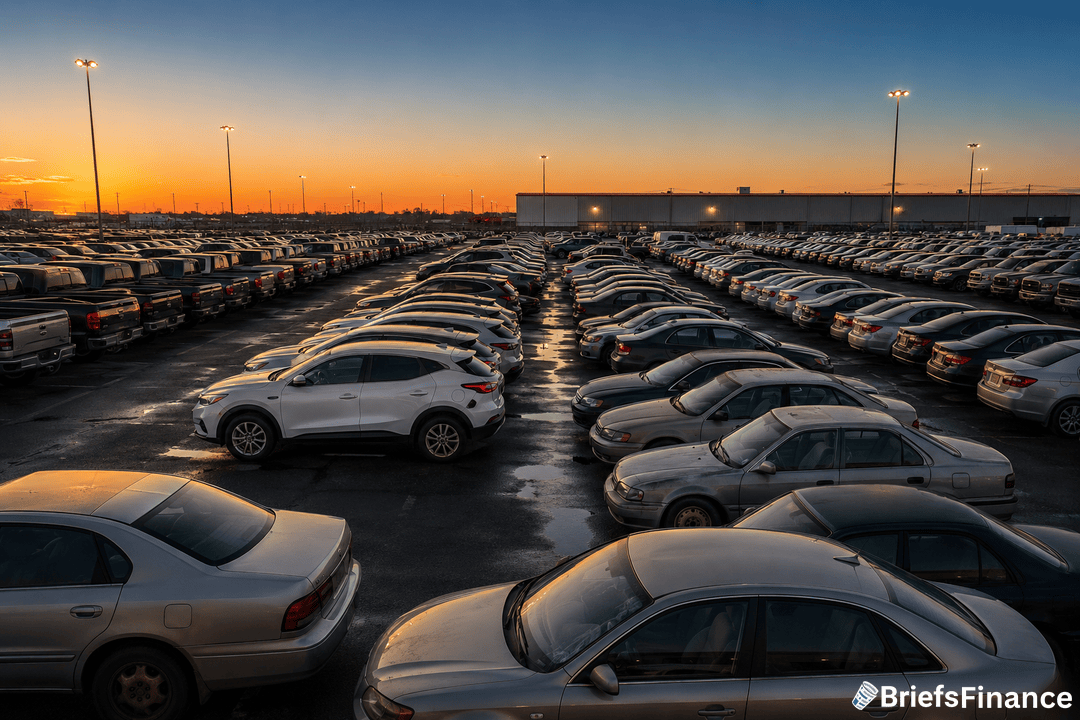
The spring used car season started hot, with tax refund cash flowing and dealers busy.
Then gas prices kept climbing, and the cheap stuff started selling while the rest stalled.
Affordability Took Over The Lot
The Manheim Used Vehicle Value Index, Cox Automotive's main wholesale gauge, dropped 1.6% in April after climbing for six months in a row.
Even with the dip, prices are still up 1.8% from a year ago.
Cox said buyers are now shopping by what they can afford, not what they want, which is pulling auction demand toward older cars and used EVs.
It's like a grocery cart during a tight week, when the brand names sit on the shelf and the store brand flies out the door.
The average listed used car came in at $25,390 in March, up about $100 from February, while Cox still expects wholesale prices to rise around 2% for the full year.
The Gas Math Is Doing The Work
AAA had the national average at $4.30 a gallon at the end of April, $1.12 above a year earlier, and by Thursday it was $4.56.
Cox chief economist Jeremy Robb pinned the slowdown on the Iran war, now in its third month, after gas hit a 2026 high and ran up 47% since the end of February.
Why it matters: every dollar jump at the pump pulls cash out of the part of the budget that pays for a car loan, and Robb said there's no end in sight.
Tax refund cash cushioned the first part of the spring buying season, but that runway is short, and dealers are starting to feel it on the lots.
Why EVs Are The Quiet Winner
A used EV still costs more than $9,200 above the average used car, but pump pain is dragging buyers in anyway.
The Manheim used EV index sat 7.2% above last April and 1.4% above March, even as the broader index slipped.
That matters because EV sales had cooled after the Trump administration ended federal tax credits last year, and the gas spike is now doing what those credits used to do.
Retailers say the rise in pump prices is showing up in EV showroom traffic, too, not just at wholesale auctions.
For investors, the read-through goes beyond auto names, since a long gas spike pulls cash out of restaurants, retail, and any business that lives off the lower-end shopper.
What To Watch
The first half of the spring season ran on tax refunds, and the second half is running into a gas wall.
If pump prices keep climbing, pressure on traditional used car pricing likely keeps building while the EV bid keeps growing.
Wholesale prices set the floor for retail prices, so a sustained drop at Manheim usually shows up on dealer lots within a few weeks.
Chevron CEO Mike Wirth told CBS's Face the Nation that gas prices have not peaked for the year, citing the war and the Strait of Hormuz closure.
The April Manheim drop is the first real soft data point since the war began, and the May print will tell investors whether that is the start of a trend or a one-month wobble.
Watch May's Manheim print and the next round of dealer earnings for the next read.