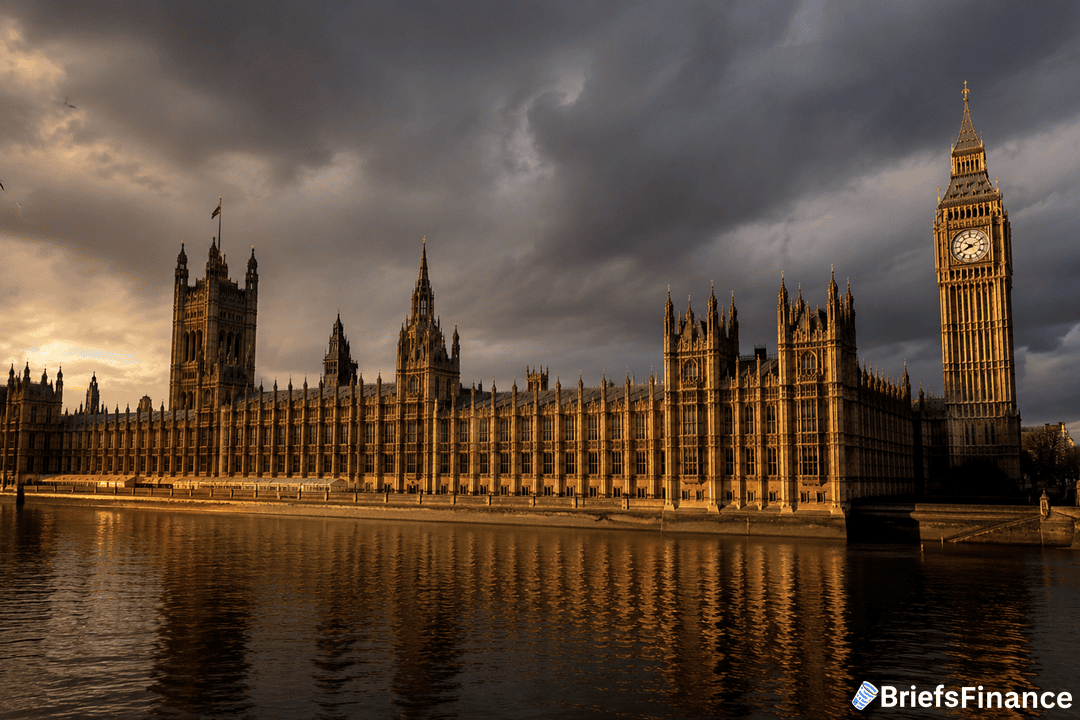
The trigger for the UK's worst bond rout in years isn't an inflation print or a central bank decision - it's a Manchester mayor without a seat in Parliament. Andy Burnham wants Keir Starmer's job, and bond markets have decided his odds are too high to ignore.
Why Gilts Are Selling Off
A gilt is a UK government bond, and its yield - the interest rate the bond pays - moves up when the bond's price falls.
The 10-year gilt yield hit 5.137% on Friday, its highest level since 2008. The 30-year gilt is even more stretched, trading at levels not seen since 1998.
The selling is political, not economic, since Health Secretary Wes Streeting resigned Thursday after telling Starmer he had lost confidence in his leadership.
Labour MP Josh Simons also said he is quitting Parliament, opening a seat that Burnham could contest in a by-election.
Burnham is not currently a sitting MP, which means he can't trigger a leadership vote yet - though winning that by-election would change that fast.
Market Briefs breaks down how political moves like this hit your portfolio in five minutes every weekday, plus you get a free investing masterclass when you sign up.
What Bond Markets Are Really Pricing In
Burnham has spent years saying the UK government is "in hock to the bond markets," and his policy program calls for about £40 billion in extra borrowing for housing and infrastructure.
Investors are reading that as a clear left-shift in fiscal policy.
More borrowing means more gilts issued, which pushes prices down and yields up - the same dynamic that forced the Bank of England to step in with emergency bond buying during the 2022 mini-budget crisis.
Recent polling shows 61% of Labour members back Burnham, while just 28% back Starmer.
That gap is a big reason the bond market is taking the threat seriously.
The Broader Market Hit
Sterling has slumped to a one-month low against the dollar, while UK stocks - especially banks and homebuilders sensitive to rates - have come under pressure.
The British equity market often moves with the gilt market, since higher borrowing costs raise the discount rate investors use to value future earnings.
A weaker pound also raises the cost of imports for UK shoppers, which could feed back into inflation just when the Bank of England is trying to bring it down.
Higher gilt yields also pull UK mortgage rates higher, since most home loans are priced off gilt yields, which adds another headwind for shoppers already squeezed by inflation.
What To Watch
Three things will decide where gilts go next.
First, whether Labour's national executive approves Burnham's by-election bid; second, whether other senior Labour figures jump into the leadership race; third, what Starmer's team does to slow the bleeding.
Foreign investors hold roughly a third of all UK government debt, so any further selling from overseas accounts would push yields even higher.
Until then, the pound stays under pressure.
If you want this kind of read on global markets every morning, sign up for Market Briefs - it's the easiest five-minute read of your day, with a 45-minute investing course thrown in as a bonus.