- A core-satellite portfolio splits investments into stable core holdings and higher-risk satellite picks.
- The core is usually 60% of the portfolio, with satellites at 40%.
- It blends passive index investing with active opportunity bets.

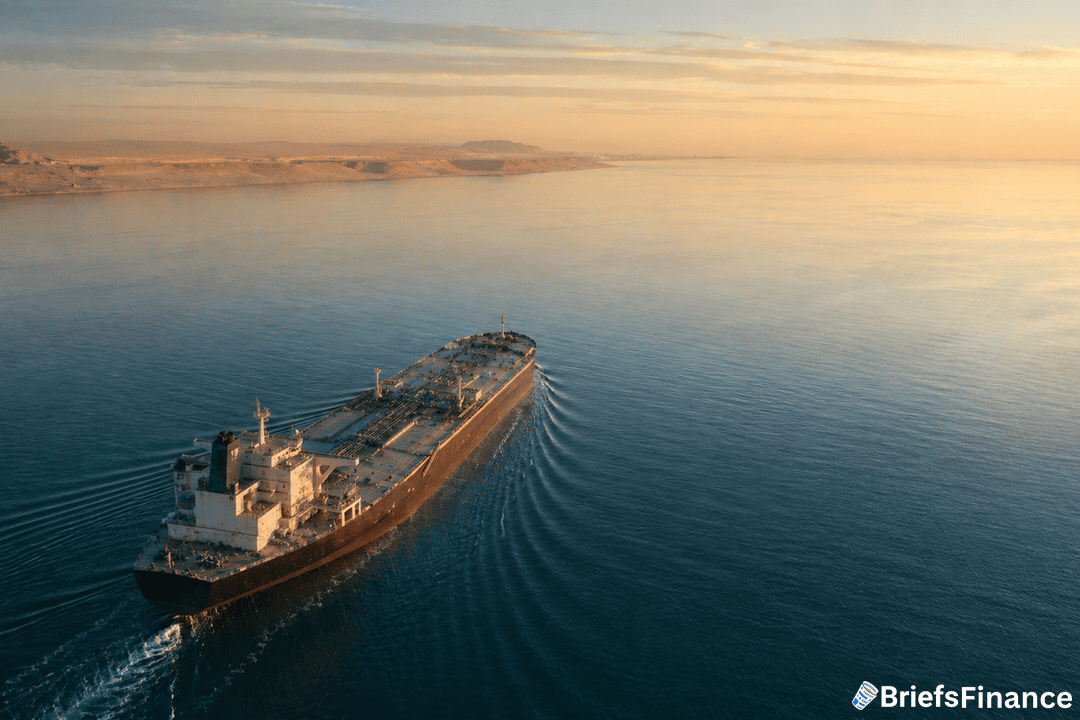
The third-biggest producer inside OPEC just walked out. The UAE said Tuesday it will leave the cartel on May 1, ending a tie that started in 1967.
Iran's attacks on Gulf shipping gave the UAE the cover. Bigger output goals gave it the push.
The UAE has spent weeks under fire from Iran. Missile and drone strikes have hit Emirati land. Tehran's pressure on the Strait of Hormuz has cut into the UAE's ability to ship oil at all.
That fight put the UAE's whole economy at risk. Oil exports run through Hormuz, and Hormuz has not been safe.
Energy Minister Suhail Al Mazrouei told CNBC the timing was on purpose. The move came at a point when it would hurt the rest of the group the least.
"Our exit at this time is the right time for it, because it will have a minimum impact on the price and it will have a minimum impact on our friends at OPEC and OPEC+," he said.
The UAE wants to pump more oil. OPEC's quotas have been holding it back.
The country wants to hit 5 million barrels a day of capacity by 2027. That means pumping past what the cartel now allows.
Al Mazrouei said the move was not about Saudi Arabia, which has led OPEC's output cuts for years. "This has nothing to do with any of our brothers or friends within the group," he said.
He added that the UAE has the highest respect for the Saudis for leading OPEC.
The UAE was OPEC's third-largest producer in February. Only Saudi Arabia and Iraq pumped more.
Losing the UAE shrinks the cartel's grip on global supply. That comes at a time when Iran's pressure on the region is already pushing prices around.
OPEC has held together through wars, oil bans, and price crashes for nearly six decades. The UAE's exit breaks that run.
The cartel exists to manage output. That's the lever it uses to shape prices.
Each member that leaves makes the next call on cuts or hikes a little harder to lock in.
The catch: The UAE Energy Ministry says the country will keep working with producers and buyers on price stability. That kind of soft promise is easier to make than to keep when global supply tightens.
Saudi Arabia has been the face of OPEC for decades and has carried most of the cuts. With the UAE out, Riyadh now has a choice. It can keep cutting solo, or push for new terms with the smaller members that stay.
Other Gulf producers, like Kuwait and Iraq, will be watching. If the UAE pumps more and gets better prices, the rest of the group could follow.
The first real test comes the next time OPEC tries to set a new output cut. If the UAE keeps pumping toward its 5 million barrel target, the price-stability pledge gets tested fast.
For now, oil markets are watching whether other Gulf producers see the UAE's exit as a path worth taking. Or as a one-off forced by Iran.