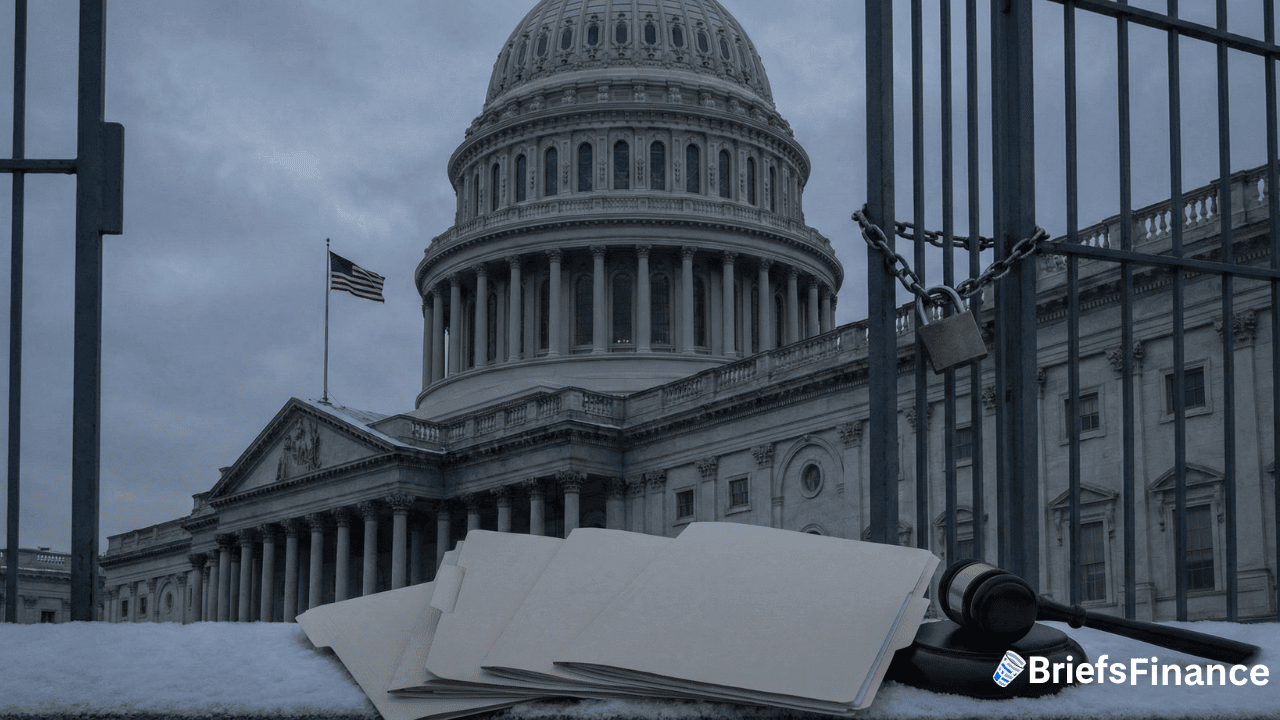
Senate Vote Stalled
The U.S. government is on track to experience a partial shutdown, beginning at 12:01 a.m. ET on Saturday, January 31, 2026.
This follows a stalled Senate vote on a funding deal intended to keep federal agencies operational. The funding deal was expected to be voted on Thursday night; however, it failed to proceed.
Opposition from Senate Leaders
Senator Lindsey Graham, R-S.C., publicly criticized the proposed funding deal, stating, "This is a bad deal."
He confirmed that he has placed a hold on the funding package, which effectively blocks it from being considered quickly in the Senate.
Funding Package Details
The stalled agreement aims to strip funding for the Department of Homeland Security (DHS) while allowing five other bills to pass that appropriate funds for various federal agencies.
DHS has faced significant criticism from Democrats due to its actions regarding immigration enforcement in regions like Minnesota. Under the proposed agreement, DHS would receive temporary funding through a stopgap measure, while longer-term funding discussions are expected to happen later.
House of Representatives' Schedule
Adding to the complexity, the House of Representatives is not scheduled to return to Washington until Monday. This absence makes it highly unlikely that a funding deal can be approved before the shutdown starts.
Both the Senate and House must vote to approve the spending bills before they can be sent to President Trump for his signature.
Presidential Support for the Deal
President Donald Trump has been vocal in encouraging lawmakers to support the funding agreement. He indicated that the deal would fund most of the federal government through the end of the fiscal year on September 30, 2026.
However, without a consensus from both chambers, the chances of avoiding a partial shutdown remain slim.
What’s Next?
As the midnight deadline approaches, lawmakers face increased pressure to reach a consensus on the funding deal.
The implications of a partial government shutdown could affect various federal operations and services. Key stakeholders will be monitoring the developments closely as both chambers work to find a resolution.