Record Credit Card Debt
According to a report by the Federal Reserve Bank of New York, total credit card debt in the U.S. has reached $1.28 trillion.
This marks an increase of $44 billion during the fourth quarter of 2025, which is a 5.5% rise from the same period last year. The report was released on February 10, 2026.
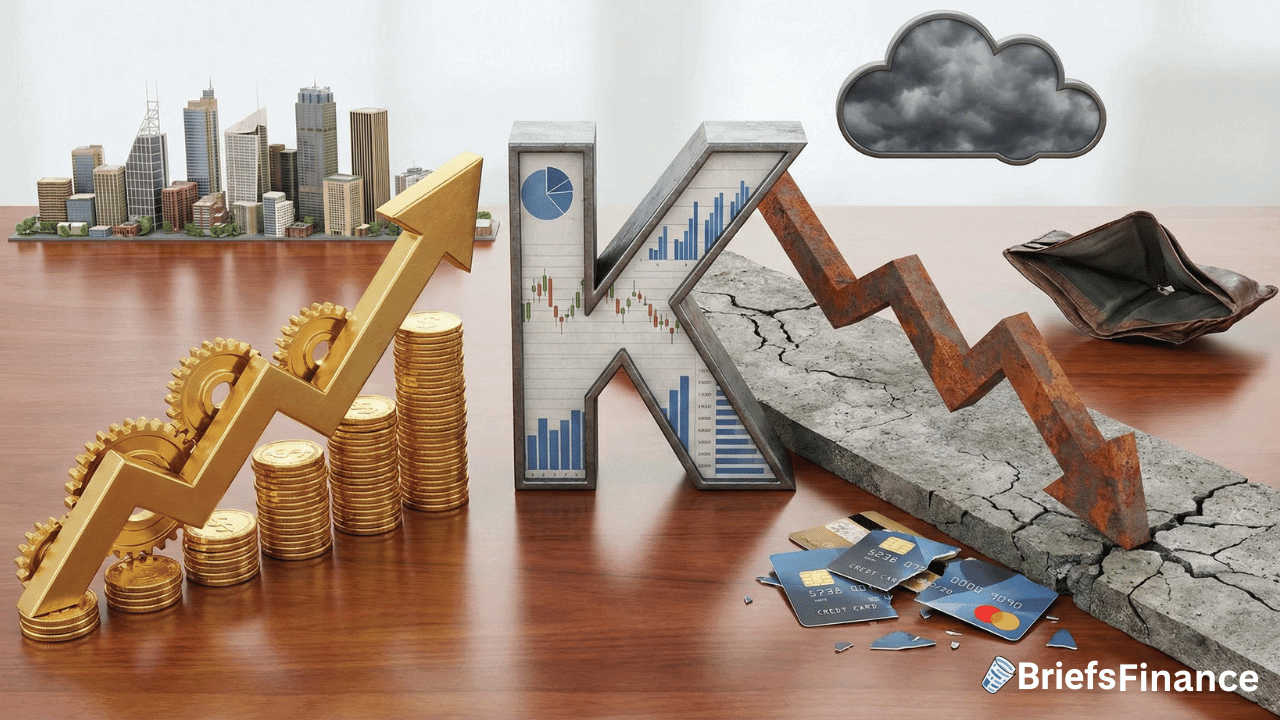
K-Shaped Economic Divide
The report highlights a growing economic divide among consumers, consistent with what researchers describe as a 'K-shaped' economy.
In such an economy, some groups are thriving while others face financial challenges. Near the end of the year, credit card debt often rises as consumers increase their spending during the holiday shopping season.
Consumer Financial Strain
As of February 2026, there are about 175 million credit card holders in the U.S. Among these users, approximately 60% carry a balance from one month to the next.
This reliance on credit cards can be attributed to the high average credit card interest rate of around 20%, making it one of the most expensive ways to borrow money.
The Impact of Credit Card Debt
A separate survey conducted by Achieve found that 55% of consumers are using credit card balances to cover essential expenses such as food and housing.
Andrew Housser, co-founder and co-CEO of Achieve, noted, "This is what the K-shaped economy looks like in the real world. There's an affluent half of the population whose financial lives aren't disrupted by momentary inconveniences. But for everyone else, financial triage and tradeoffs are a way of life." He added that the longer this economic divide continues, the wider the gap will become.
Conclusion: Understanding the Economic Divide
The rising credit card debt and the financial strain on many households highlight the ongoing challenges faced by consumers in the current economic landscape.
As spending habits shift and the pressure of high interest rates persists, it is essential for consumers to be aware of their financial situations and the broader economic conditions affecting them.