A truly big U.S. defense plan just got a truly big price tag.
The CBO is a non-partisan group that scores bills. This week, it priced Trump's "Golden Dome" missile shield at $1.2 trillion over 20 years.
For some sense of scale, that works out to about $60 billion a year for two decades. All spent on stopping missiles.
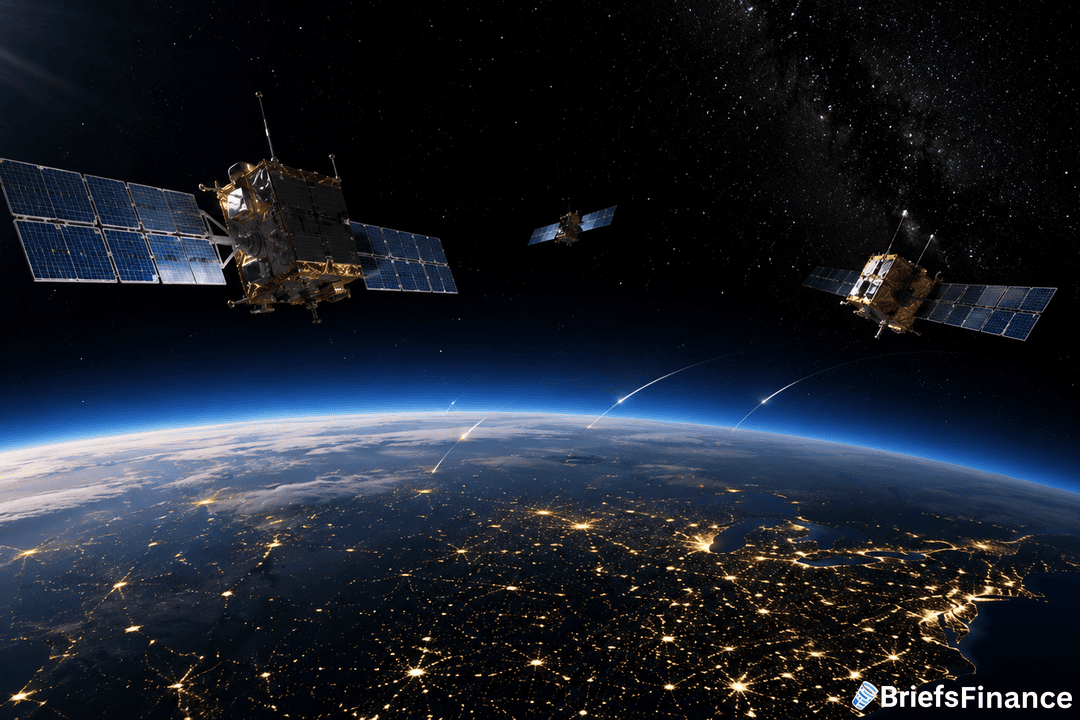
Most Of The Money Is Going To Space
The Golden Dome would shield all 50 states. That includes Alaska and Hawaii. It would shield them from ballistic, hypersonic, and cruise missiles.
To do that, the CBO drew up four layers of shooters. One of those layers would sit in orbit.
That space layer is the budget buster. It eats up about 70% of the $1 trillion build cost. It eats up about 60% of the total cost across the program's life.
Running the full system would add more than $8 billion a year on top of that.
The CBO built its math on a window that starts in 2028 for ground-based parts. The space parts start in 2030. If those dates slip, the cost goes up.
Things in orbit are pricey to build. Weapons in orbit are even more so.
For five-minute reads on stories the rest of the market is missing, Market Briefs hits your inbox each morning, with a free investing class for new readers.
The White House Math Doesn't Match
This is where the story gets odd.
The head of the Office of Golden Dome has said the core build will cost $185 billion over the next ten years. The White House's 2027 budget asks for just $15 billion a year. On average. For the next five years.
The CBO itself flagged the gap. The spread, it said, "raises the possibility" that the White House plan is smaller than what the CBO modeled, or that some of the funds will come from other defense pots.
That gap has stakes for defense primes, satellite firms, and the contractors lined up for a slice.
The Missile Defense Agency has already opened a $151 billion contract pool called SHIELD. Dozens of firms are lined up to compete for pieces of it, including Fuse Federal.
Worth Noting
The CBO flagged one more thing. Even when fully built, the Golden Dome could be swamped by a full-scale strike from a peer or near-peer foe.
It is built for small or mid-size threats. Not a worst-case fight.
The shield would also build off tools that the U.S. already has. Think the Aegis Ashore system and the THAAD truck-mounted launcher. The new piece is mostly the orbital layer.
The bill also lands as the U.S. national debt sits above $39 trillion. That is a $1.2 trillion shield with a real cap on what it shields against. And it arrives in a tight fiscal moment.
The next move is on Congress. The check on the Golden Dome will hinge on whether lawmakers fund the CBO's bigger picture or the smaller one the White House has drawn. Watch the next defense budget for the answer.
Join Market Briefs to get the daily breakdown in five minutes a day, with a 45-minute investing course thrown in when you sign up.