Pro Login

Trump's Fed Nominee Kevin Warsh Owns Stakes in DeFi, Ethereum, Bitcoin Lightning, and Polymarket

Published Apr 15, 2026
Share:
Summary:
  • Warsh's 69-page financial disclosure shows holdings in Solana, Optimism, dYdX, Compound, Blast, Polymarket, and a Bitcoin Lightning startup called Flashnet.
  • Most crypto positions sit in fund vehicles with individual stakes worth under $1,000 each - small venture bets, not big positions.
  • If confirmed, Warsh would be the first Fed Chair with exposure to crypto venture capital.

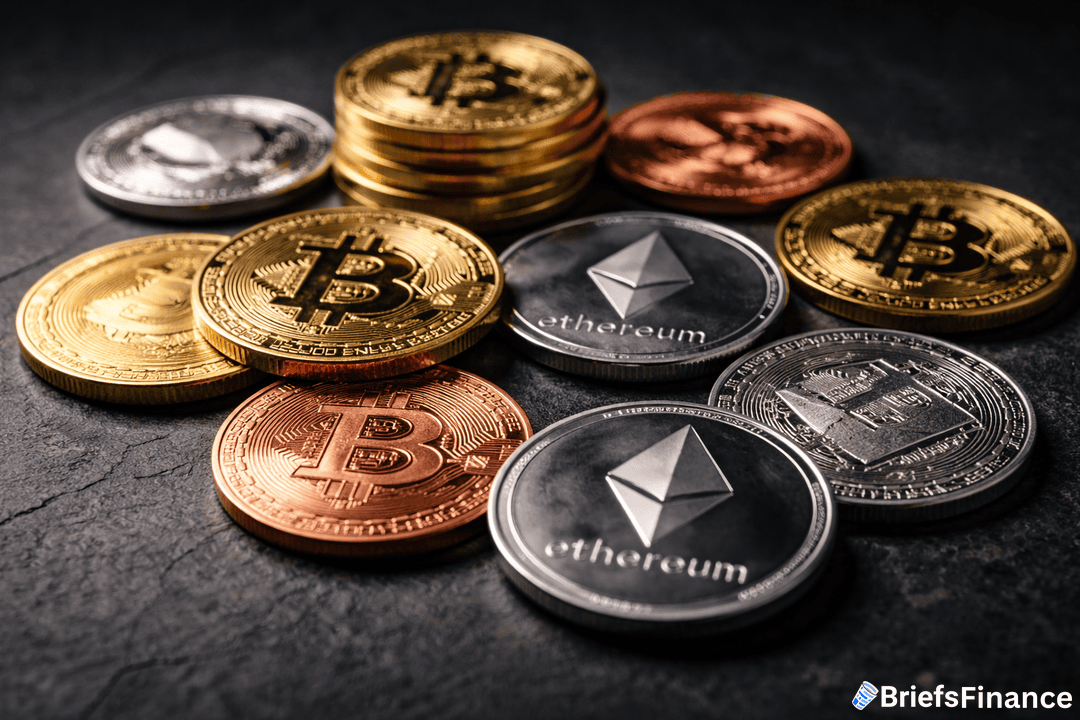
The person who might run the Federal Reserve owns crypto. Kevin Warsh's financial disclosure - filed ahead of his April 21 confirmation hearing - shows stakes in at least 20 crypto and Web3 projects, including DeFi protocols, Ethereum scaling networks, a Bitcoin Lightning startup, and the prediction market Polymarket.

What He Owns

Through a series of fund vehicles, Warsh has indirect stakes in Solana, Optimism, dYdX, Compound, Blast (an Ethereum Layer 2), and Polychain Capital. Another fund holds positions in Dapper Labs, Friends With Benefits, and Zero Gravity - an AI blockchain platform. He also holds a stake in Flashnet, a Bitcoin payments company that works like a Lightning Network merchant system.

How Big Are These Bets?

Most are small. Under government ethics rules, positions reported without dollar values are worth less than $1,000 each - making these venture-level bets scattered across fund portfolios. The wildcard: Warsh's stake in Juggernaut Fund LP, worth over $100 million, is protected by privacy agreements. It's unclear how much crypto sits inside it.

What to Watch

Warsh has promised to sell his crypto holdings if confirmed. But the disclosure itself is notable - no previous Fed Chair nominee has had this kind of exposure to the crypto ecosystem. The confirmation hearing on April 21 will likely include pointed questions about these positions.

Disclosure

Get Market Briefs delivered to your inbox every morning for free!

No fluff. No noise. No politics. Just finance news you can read in 5 minutes.

Blogs

April 15, 2026
What Is a Put Option? A Simple Guide for Investors
  • A put option is a contract that gives you the right to sell a stock at a set price before a set date.
  • Investors use put options to protect their portfolio against losses or to profit when they think a stock will drop.
  • The most you can lose when buying a put option is the premium you paid for the contract.
Read More
April 13, 2026
What Is Free Cash Flow? How To Find It & Why It's Important
  • Free cash flow is the cash a company has left after paying its bills and putting money back into the business.
  • Investors use free cash flow to figure out what a company is really worth - and if the stock is a good deal.
  • You can find free cash flow on a company's cash flow report, one of three key reports every public company files.
Read More
April 13, 2026
Non Taxable Income: What It Is and Why Investors Care

Non taxable income is money you earn that the IRS does not tax - like Roth IRA cash, muni bond interest, and certain investment gains. The U.S. tax code taxes workers, investors, and business owners at very different rates. Tools like Roth accounts, muni bonds, and real estate write-offs can help you keep more of what you earn.

Read More
April 11, 2026
Nasdaq Index Fund: A Beginner's Guide to Investing in the Nasdaq 100
  • A Nasdaq index fund lets you invest in the 100 biggest non-bank companies on the stock market all at once.
  • You can access the Nasdaq through index funds, mutual funds, or ETFs like QQQ - each with its own fees, trading rules, and style.
  • Picking the right Nasdaq index fund comes down to three things: who runs it, what is in it, and what it costs.
Read More
April 11, 2026
What Is Wealth? It's Not What Most People Think
  • Wealth is about owning assets that grow and pay you - not just earning a high salary.
  • In a capitalist system, there are two ways to get paid: from your labor and from your capital.
  • Building wealth takes a shift in mindset, a money system, and the habit of investing before you spend.
Read More
April 10, 2026
Micron Stock: The AI Memory Play Most Investors Are Missing
  • Micron (MU) is the only U.S. company that makes HBM chips - the short-term memory layer that AI systems need to run.
  • By early 2026, data centers were using about 70% of all memory chips made in the world, creating an 18-month backlog for new orders.
  • Micron's DRAM - or short-term memory chip - revenue jumped 69% year over year, and the company shifted away from consumer products to focus almost entirely on AI.
Read More
April 10, 2026
What Is Working Capital? What Investors Need To Know
  • Working capital is current assets minus current liabilities - it shows if a business can pay its short-term bills.
  • You find it on a company's balance sheet inside its 10-K report.
  • Changes in working capital show up on the cash flow statement and affect how much cash a business really makes.
Read More
April 9, 2026
What Is a Meme Stock? A Simple Guide for New Investors

You've probably heard the term "meme stock" thrown around on […]

Read More
April 9, 2026
Enterprise Value Formula: What It Is and How to Calculate It
  • Enterprise value (EV) shows what a company is really worth - debt and cash included - not just its stock price
  • The enterprise value formula is: Market Cap + Total Debt - Cash and Cash Equivalents
  • Investors use EV with metrics like EBITDA to compare stocks more fairly than market cap alone
Read More
April 8, 2026
Return on Equity: What It Is and How to Use It
  • Return on equity (ROE) measures how much profit a company earns for every dollar of shareholder equity
  • The formula is simple: net income divided by shareholder equity
  • A higher ROE can signal a company that is good at turning investor money into profit - but it is not the full picture
Read More
1 2 3 17
Share via
Copy link