The first version of Liberation Day ended in a courtroom.
In February, the Supreme Court struck down the blanket tariffs Trump put in place using emergency powers. Over 2,000 importers are now lining up to get their money back. The Court of International Trade has ordered roughly $165 billion in refunds of unlawfully collected duties.
The second version is what's rolling out now. And it's built on different legal ground, so it's harder to knock down.
The New Tariff Map
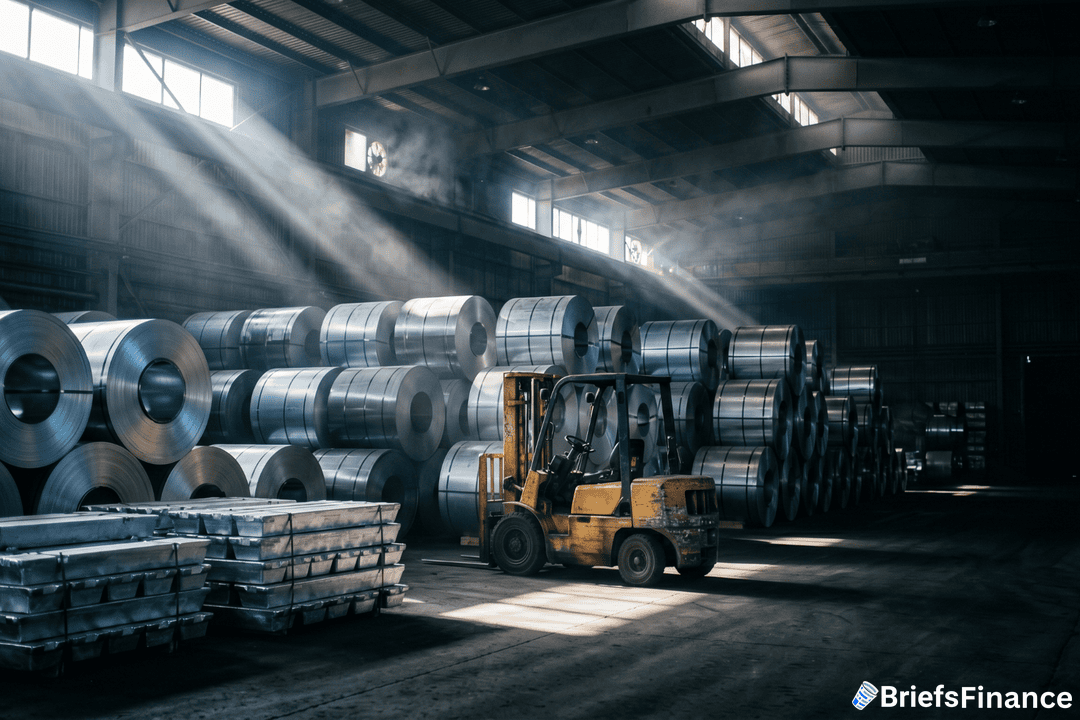
Trump is keeping the 50% tariffs on products made almost entirely of steel, aluminum, and copper. Those stick.
On top of that, he's adding a tiered system. Derivative products with substantial metal content get a 25% rate. Metal-intensive industrial and electrical grid equipment pays 15% through 2027. Products made abroad but entirely with American metals drop to 10%. Products with 15% or less metal content come off Section 232 entirely.
The EU has a deal on the table: 50% on steel and aluminum stays in place, 15% on most other European imports.
For everyone else, the administration already imposed a Section 122 tariff back in February - a trade law that lets the president put up to a 15% tariff on imports for up to 150 days. That temporary duty is set to terminate on July 24.
Why This Version Is Harder To Kill
The first Liberation Day tariffs used IEEPA - a 1977 emergency-powers law. The court said that was a stretch.
Section 232 - the law behind the new metals tariffs - is different. It was written specifically so presidents can use tariffs on national-security grounds, not as an emergency measure. Section 232 authorities remain intact despite the recent legal challenges.
Think of it like parking a car. Last year's tariffs were double-parked. The court towed them. This year's are in a legal spot.
That's why the administration is also leaning on Section 301 - the law that lets Washington slap tariffs on countries it says are trading unfairly. Every new investigation is another lane to use if one gets blocked.
The Refund Mess
The court win created a separate problem. All those importers that already paid want their money back.
More than 2,000 have filed refund actions at the Court of International Trade trying to claw back duties they paid under the rules that got thrown out. The CIT has ordered about $165 billion in refunds. The mechanics of how and when importers get paid are still being worked out in the courts.
For investors, that's real cash sitting on corporate balance sheets that could come back. Industrial importers, auto parts makers, and big retailers are the obvious watchlist.
What To Watch
The EU deal is the template. If more countries sign similar "50% on metals, 15% on everything else" agreements, the tier system starts to harden into policy.
Watch Section 301 too. New investigations are a lot of optionality - and most of them target major U.S. trading partners.
And track the refunds. The speed and size of payouts will tell investors whether this becomes a one-time windfall or drags through the courts for years.
Same Liberation Day label. New legal engine. Different outcome.