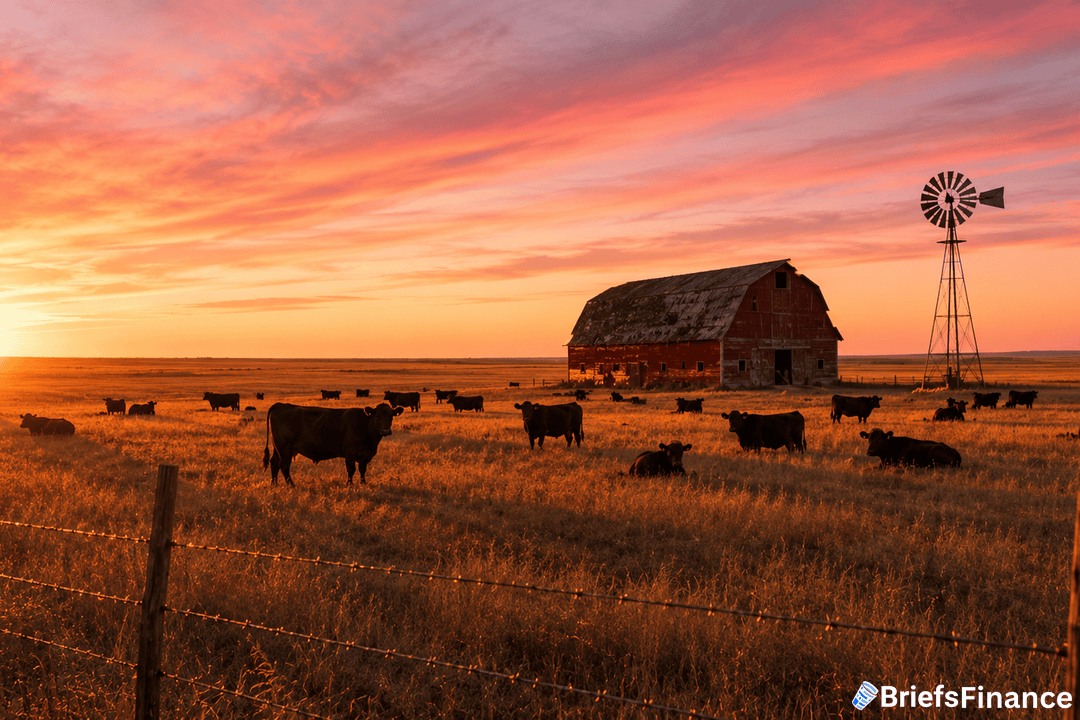
Beef is now one of the most expensive things in the grocery store, and the US cattle herd is smaller than it has been in three quarters of a century.
Trump's response: open the borders to more imported beef and try to rebuild the herd at home.
What's In The Orders
The executive orders, signed Monday and Tuesday, do three main things:
- Temporarily suspend the tariff-rate quotas on imported beef so more product can come in
- Direct the Small Business Administration to expand lending to US ranchers so they can rebuild their herds
- Roll back Endangered Species Act protections for gray and Mexican wolves, which the administration says are killing cattle
The first lever is the fastest - imports can move now. Rebuilding a cattle herd takes years.
Most US beef imports come from Australia and Brazil, both of which have spare slaughter capacity. So suspending quotas could move product onto US shelves fast.
We translate moves like this into what they mean for your wallet every morning in Market Briefs, delivered in five minutes a day, with a free investing masterclass when you sign up.
Why Beef Is So Expensive Right Now
Beef prices were up 12.1% year over year in April, with ground beef now running roughly 40% more than five years ago. The USDA thinks prices could climb another 10.1% across the rest of 2026.
The root cause is straightforward: there aren't enough cows.
Years of drought, high feed costs, and ranchers exiting the business have pushed the US cattle herd to its lowest level in 75 years.
A smaller herd means less beef hitting the market, which means higher prices for everyone.
The US has been importing record amounts of beef for three years already, and prices still went up. That tells you imports alone don't solve a domestic supply problem.
Worth Noting
This is also a political problem. Beef is one of the products voters feel every week.
When ground beef goes up 40% over five years, that's the kind of number people remember at the ballot box.
For investors, the trade chain runs in different directions. Restaurant chains that rely on beef - McDonald's, Chipotle, Texas Roadhouse - have been absorbing higher costs or quietly raising menu prices.
Cheaper imports could help those margins.
US cattle producers, meanwhile, are the ones who pay if imported beef floods the market. They are already on smaller herds and tighter margins.
Imports lower the ceiling on beef prices. They don't lower the floor.
Sign up for Market Briefs for the daily market read in five minutes, and you'll also get a 45-minute investing course as a bonus.