- A core-satellite portfolio splits investments into stable core holdings and higher-risk satellite picks.
- The core is usually 60% of the portfolio, with satellites at 40%.
- It blends passive index investing with active opportunity bets.

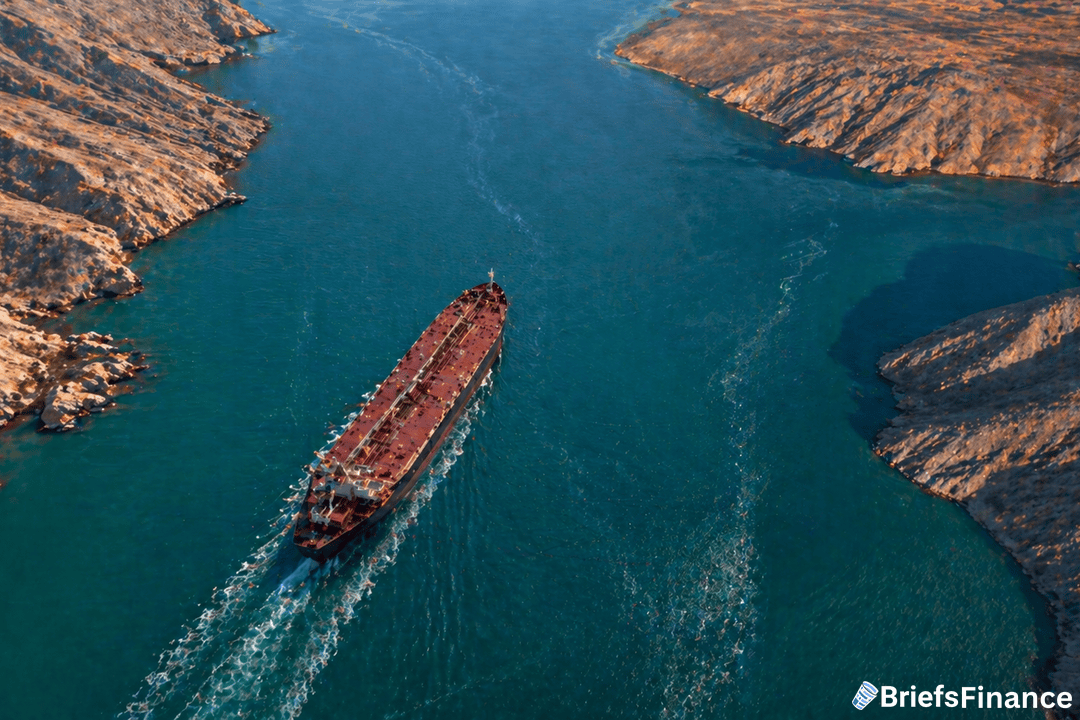
The strait that moves a fifth of the world's oil has been mostly shut for two months, and Iran is now asking the U.S. to back off the blockade so it can reopen.
The U.S. isn't sold yet, and the oil market is reading the standoff as more pain ahead.
President Trump posted on Truth Social Tuesday that Iran has asked the U.S. to lift its naval blockade of the Strait of Hormuz. Tehran wants the waterway open "as soon as possible, as they try to figure out their leadership situation," Trump wrote.
He added that Iran said it's in a "State of Collapse."
Trump met with his national security team Monday on Iran's proposal, which would reopen Hormuz in exchange for the U.S. lifting its port blockade and pushing nuclear talks off until later. Iran wants to keep partial control over what moves through the strait, which Washington is unlikely to accept.
Trump told advisers he's not satisfied with Iran's offer, the New York Times reported.
Brent crude rose above $111 a barrel Tuesday, with weekly gains pushing close to 6%, as the market priced in a longer-than-expected peace process and an indefinite Hormuz shutdown. The strait normally carries about a fifth of the world's oil and liquefied natural gas, but it's now at a virtual standstill.
The first LNG shipment since the war started, the Mubaraz, finally exited the Persian Gulf and is now passing the southern tip of India, per ship-tracking data.
The UAE chose Tuesday to announce it's leaving OPEC, which is a body blow to the cartel and to Saudi Arabia, which leads it.
"The decision is taken at the right time in our view because it's not going to hugely impact the market: the market is undersupplied," UAE Energy Minister Suhail Al Mazrouei said.
In other words, with Hormuz mostly closed, OPEC's production caps are doing nothing for prices, and the UAE wants to pump more.
Secretary of State Marco Rubio told Fox News Iran's offer was "better than what we thought they were going to submit," but the White House has "questions about whether the person
submitting it had the authority to submit." That echoes earlier U.S. claims that Iran's leaders are split on negotiation strategy.
German Chancellor Friedrich Merz said the U.S. was being "humiliated" by Iranian leaders. Senator Lindsey Graham, a Trump ally, posted on X that Iran is "playing games."
The April 7 ceasefire is shaky, and hostilities could resume if fresh talks don't get started.
Each day Hormuz stays closed, fuel rationing tightens across Asia and Africa, and the global slowdown risk grows. Oil at $111 is the market's read on whether this gets fixed soon.