Trump flew to China hoping Xi Jinping would lean on Iran to reopen the Strait of Hormuz, then he flew home empty-handed. The market noticed.
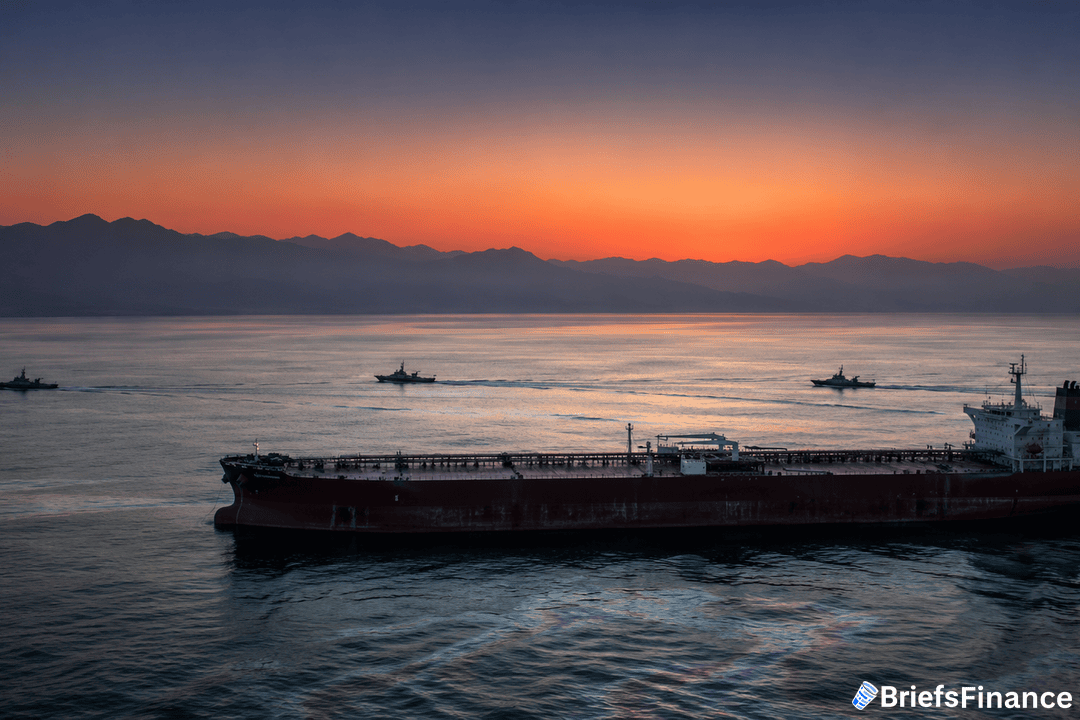
The Strait is the thin slice of water where roughly a quarter of the world's seaborne oil moves, and it has been mostly closed since Iran tightened its grip in late February. Prices show it.
Beijing's Words Did Not Match An Action Plan
The official line out of Beijing is that the US and China both want oil flowing freely again, with Xi also saying Iran should not get a nuclear weapon. Trump told reporters on Air Force One that those statements are nice, but he wasn't asking China for any favors.
Translation: nothing changed. China has said versions of both lines before, and there's no new agreement, no signed page, and no plan to pressure Tehran.
In a Truth Social post on the way out, Trump described his Iran campaign as "to be continued." That's also where the markets find themselves.
If you want the investor read on stories like this every morning, Market Briefs breaks it down in five minutes a day, with a free investing masterclass when you sign up.
High Oil Is Pressuring Inflation and Wages
The price of crude oil is the second-biggest input cost for the entire US economy, sitting right behind labor. When oil stays high, almost everything else gets harder.
Gas at the pump crossed $4.50 a gallon on a national average basis. That's helped push April inflation past wage growth for the first time in three years, even as the S&P 500 and Nasdaq cling to year-to-date gains.
Trump has dismissed the economic squeeze in public, telling reporters earlier this week that all he thinks about is keeping Iran from going nuclear. Behind the scenes, his own advisers are nervous, with one telling CNN that Wall Street executives are telling the White House to "hurry up."
What to Watch
Three things will move the price of oil from here, and none of them are settled.
The first is whether Trump greenlights more military strikes on Iran, an option the Pentagon has been pushing. The second is whether Tehran softens its terms before the midterms force a political reset. The third is whether China actually nudges Iran in private, which it hasn't done so far.
Each of those moves the oil price, which moves your gas bill, your grocery bill, and the path of interest rates.
The clock matters too, because Trump originally said the war would wrap in six weeks, and the 2026 midterms are coming up fast.
For the daily read on what oil and rates are doing to the market, join 350,000+ investors getting Market Briefs every weekday morning. A free 45-minute investing course comes with it.
Source: CNN