Iran is still selling oil. The hard part is moving the money, and that's where Friday's hit lands.
Treasury blacklisted three Iranian money houses on Friday and added a Chinese oil port called Qingdao Haiye Oil Terminal Co. The money houses move billions a year, mostly turning Chinese yuan into other cash Iran can use.
The Yuan Workaround Is Getting Squeezed
China is by far the biggest buyer of Iranian oil, so most of Iran's oil cash lands in yuan. Yuan can't easily pay for missiles, drone parts, or imports outside of China.
The money houses fix that, acting as the bridge from yuan in a Chinese bank to dollars or euros somewhere else. Treasury chief Scott Bessent said the goal is a "money stranglehold" that hits Tehran's war chest.
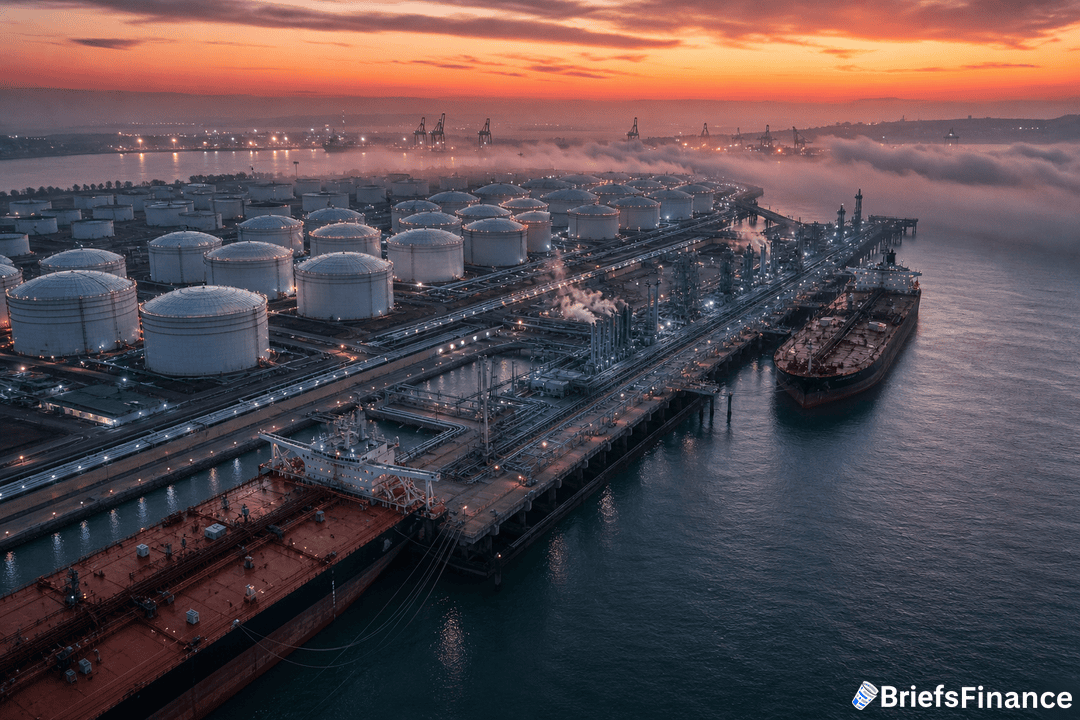
The Chinese oil port sits on the other end of the same chain, where Iran's "shadow fleet" of unmarked tankers drops off crude for Chinese plants. Hitting both ends of the chain is the play, and it's sharper than past oil-shipment moves.
Operation Economic Fury
The war started in February 2026, with US-Israeli strikes on Iran. Tehran fired back with missiles and a block of the Strait of Hormuz, the narrow path that handles a quarter of the world's seaborne oil.
Friday's hit is part of Treasury's bigger campaign, called Operation Economic Fury. The campaign has now sanctioned more than 1,000 Iran-linked people, ships, and planes since February 2025.
April's round hit Hengli Petrochemical, China's second-biggest "teapot" oil plant, plus 40 shipping firms and tankers in Iran's shadow fleet. Teapot plants are smaller, private Chinese plants that buy a lot of cheap Iranian crude, which makes them top customers for Tehran. Treasury has now hit four of them in the same campaign.
What To Watch For Investors
The next move is Beijing's. Hitting a Chinese oil port is a direct shot at China's role in keeping Iran's oil flowing, and Beijing rarely lets those go without a reply.
Any Chinese push back could ripple into the wider trade fight. That fight already covers tariffs, chips, and rare earths, and a fresh sanctions row would add one more layer.
Oil markets are also watching the Strait of Hormuz, where each extra week of the block keeps about 20 million barrels per day of global oil supply at risk. WTI crude sits near $102 a barrel and Brent is above $108, both well above where they sat before the war.
Crude futures could ease fast if the Strait opens back up, or spike higher on any new escalation. Treasury is betting the cash squeeze ends the block before more force does.