- A core-satellite portfolio splits investments into stable core holdings and higher-risk satellite picks.
- The core is usually 60% of the portfolio, with satellites at 40%.
- It blends passive index investing with active opportunity bets.

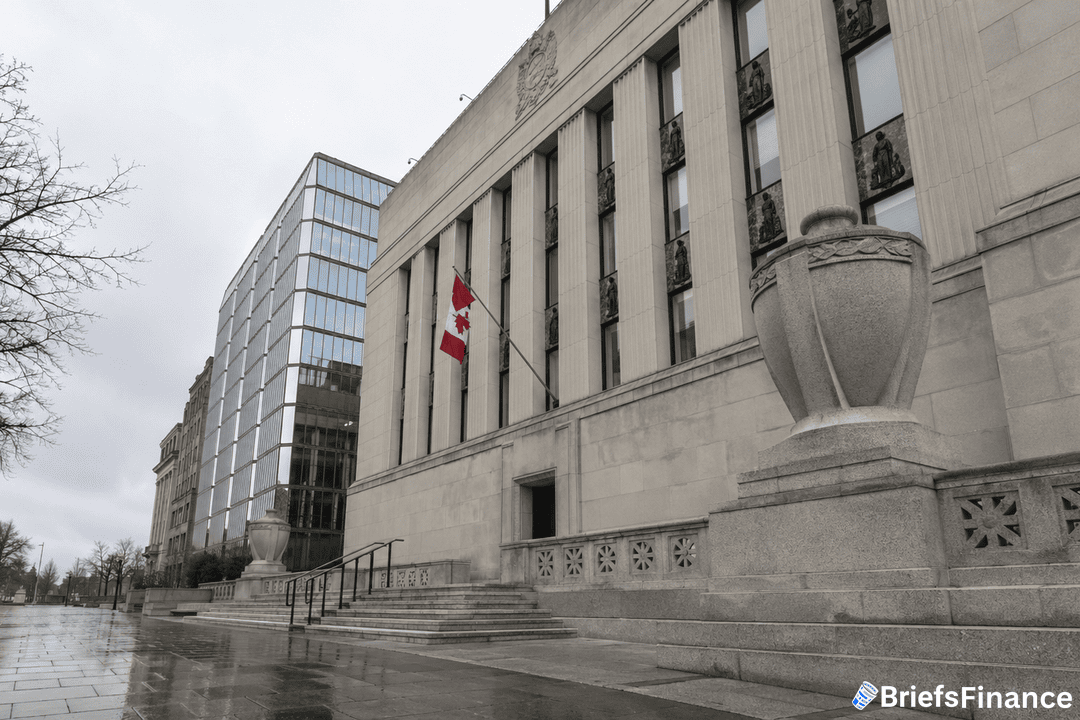
The Bank of Canada is doing something rare for a central bank during a global energy crisis. Nothing.
For the fourth meeting in a row, Governor Tiff Macklem held the rate at 2.25%. The bank's outlook leans on a slow drift in oil prices back toward $75 a barrel by mid-2027. That call assumes the Iran war winds down on schedule.
Most countries would be cutting right now to offset the war's hit to growth. Canada has a problem most countries do not. It is a net oil exporter.
Higher crude prices show up in two places at once. They squeeze drivers at the pump. They also pad the dollars flowing into Canadian producers.
Macklem flagged the trade-off in his statement. He said the war "may alter its composition" but does not really change overall growth.
In plain English, Canada gets paid more for the oil it sells. That helps cover what drivers lose at the pump.
Holding has a cost. CPI prices already jumped to 2.4% in March on the gas pass-through, and Macklem said April will likely come in around 3%.
Core prices strip out things like fuel and food. They are still steady just above 2%. Long-term price hopes are anchored, which gives the bank cover to wait.
The forecast itself is modest. GDP growth is pegged at 1.2% this year. It rises to 1.6% in 2027 and 1.7% in 2028.
Jobless rates sit between 6.5% and 7%. Housing is also soft. The economy is not strong enough to need cooling, and the price pop is not broad enough to need fighting.
The Canadian dollar has been mostly stable against the U.S. dollar since the war started. That is partly because the U.S. dollar itself has been strong against most major currencies.
Bond yields are a touch higher than they were in January. Stock markets sold off when the war broke out in late February. They have already bounced back.
Why? Buyers have decided Canada is well buffered against this specific crisis. Tariffs and trade risk are still weighing on exports and business spending, but oil exports help.
The Q4 2025 numbers were ugly. The economy actually shrank that quarter. Growth then resumed in early 2026, helped by spending from both consumers and the government.
Trade is still the weak spot. Tariffs and trade policy have hit business spending and held back exports.
Housing is also a problem. Activity dropped in the fourth quarter and has stayed soft. Slow population growth, economic doubt, and ongoing affordability issues are all weighing on it.
The labor market has not rebounded either. Hiring has been slow over the past year, with job losses in sectors hit by U.S. tariffs.
The next BoC meeting is June 10. TD Economics and other major forecasters now expect rates to stay at 2.25% for the rest of 2026.
Macklem said the bank stands ready to respond if higher energy prices start spreading into the prices of other goods and services. So far, they have not. The bank's job is to sit and see.