Tesla beat the cash flow number, then made it look smaller in the same hour.
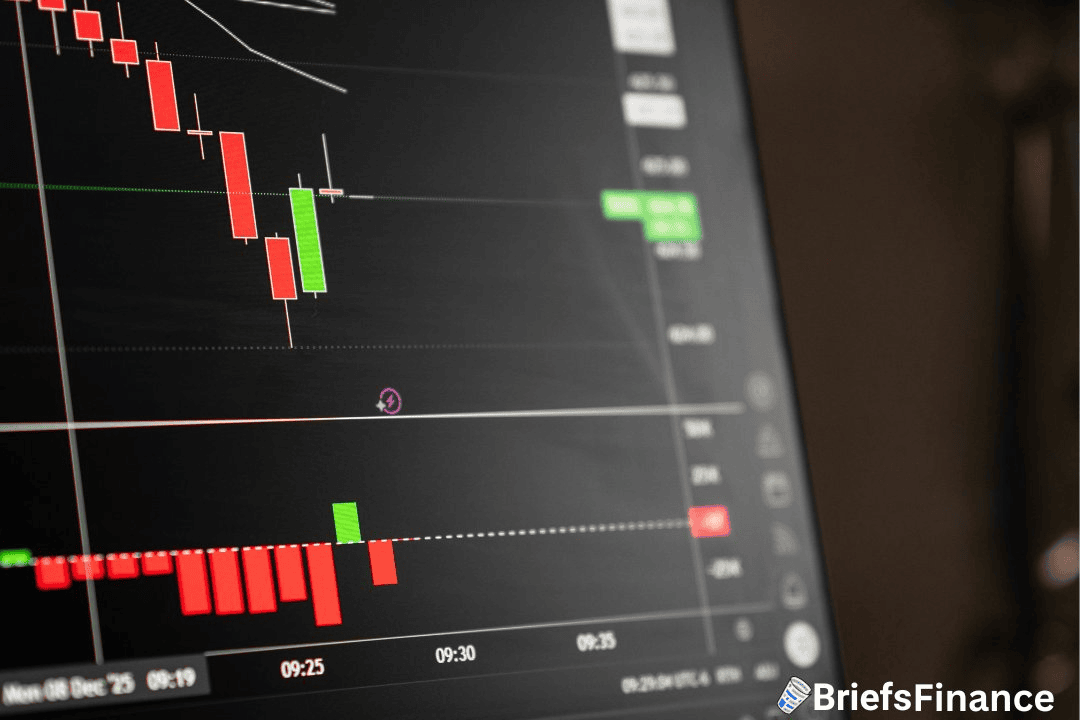
The free cash flow print landed at $1.4 billion, ahead of what Wall Street had penciled in, sending shares briefly higher after the report. Then on the earnings call, Musk told investors something they had been asking about for years, and the answer turned out to be the expensive one.
The Hardware 3 Problem
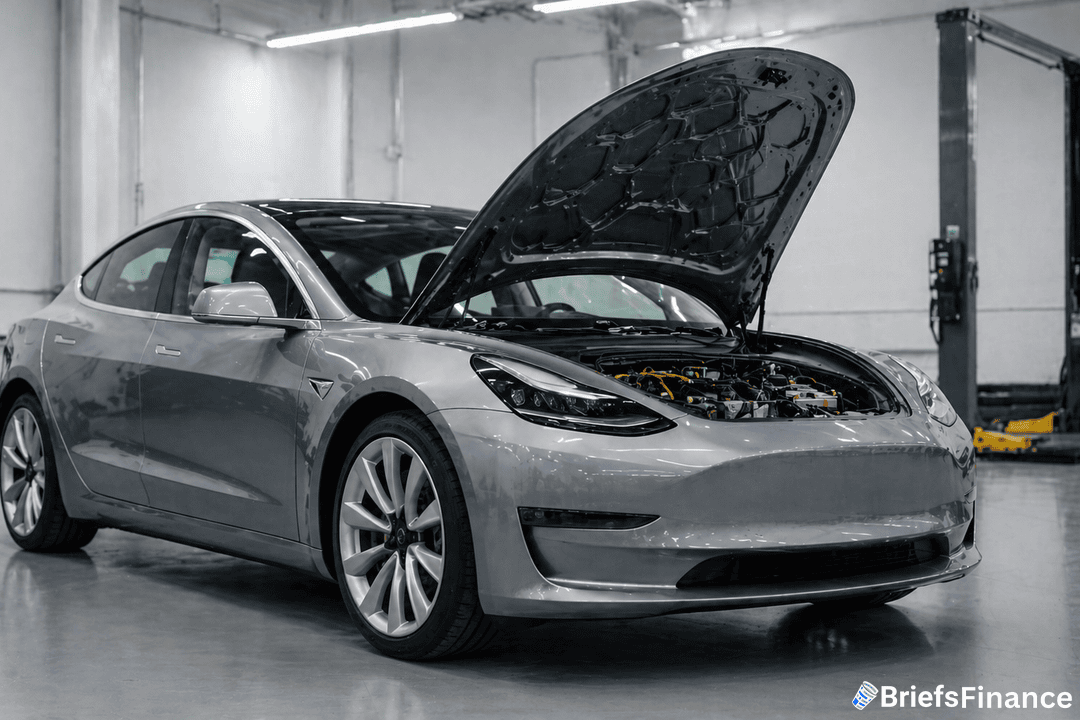
Tesla sold cars with what it calls Hardware 3 between 2019 and 2023, and owners of those cars have spent years asking the company whether they will get the next version of Full Self-Driving, which Tesla hasn't actually released yet.
Musk's answer this week was no. The hardware can't run it, which means each one of those cars needs a physical upgrade to make the leap.
That's potentially millions of vehicles, all of which were sold with the implication that the software would eventually catch up.
Why This Costs Tesla Real Money
Tesla's plan, per Musk, is to build microfactories in several major cities just to do the retrofits, which isn't cheap when the math runs across millions of cars.
The buildout is expected to push capex even higher, on top of the $25 billion Tesla is already planning to spend in 2026, which is itself a record. There's also a legal angle, since owners paid for FSD with the expectation of full functionality, and if Tesla can't deliver without a hardware swap, the bill is likely to land on Tesla either way.
The Free Cash Flow Picture
The $1.4 billion number is real and came from a quarter where investors had been bracing for a thinner result.
What it doesn't include is the cost of fixing the install base, which is a multi-year capex line that hasn't been fully priced into the model.
What To Watch
Watch how Tesla accounts for the Hardware 3 retrofits in coming quarters, since that line item could compress free cash flow fast. Investors who cheered the headline beat may want to read the call transcript before they decide what kind of quarter this really was.