Investing is not a one size fits all approach. Some […]

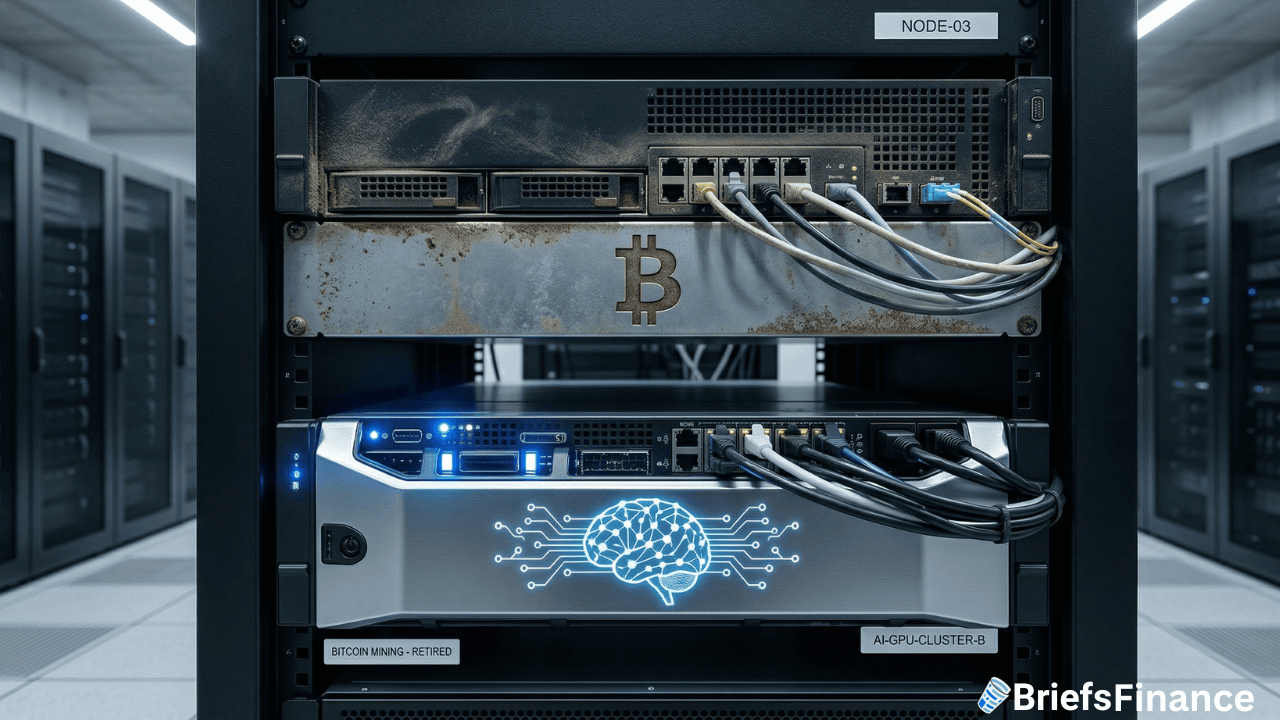
It costs $90,000 to produce one bitcoin right now. The coin sells for $67,000. That's not a business - that's a bonfire.
So the biggest miners in the country are doing what any rational operator would do. They're taking their massive warehouses full of computing power and pointing them at a customer who actually pays: artificial intelligence.
Bitcoin's hashrate - the total computing muscle protecting the network - has been on a one-way ride up for half a decade. It grew more than tenfold over the past five years, jumping from about 100 exahashes per second to over 1 zettahash.
Every single first quarter during that stretch saw growth. Some years, the full-year gain topped 100%.
That streak just snapped. The hashrate is down about 4% since January - the first time it's lost ground during the year's first three months since 2020.
The economics tell the whole story. When the price of bitcoin sits $23,000 below what it costs to mine, every machine running is burning money.
Publicly traded miners like MARA Holdings have responded by selling off bitcoin - more than 15,000 coins in MARA's case - to pay down debt and fund a transition into AI computing. MARA's CEO said the sales were a deliberate move to clean up the balance sheet and set the company up for what comes next.
AI and high-performance computing offer something bitcoin mining can't right now: margins that aren't upside down. The returns are steadier, the revenue is more visible, and corporate customers are lining up to pay for data center capacity.
Here's the part most investors are missing.
U.S. public mining companies have controlled more than 40% of all the computing power on Bitcoin's network. That's a lot of influence sitting in one country, inside a handful of publicly traded firms.
As those companies shift resources toward AI, their share of the hashrate shrinks. And that opens the door for smaller operators around the world to fill the gap - spreading control of the network across more players in more places.
In other words, the retreat of big American miners could make Bitcoin more decentralized. That's the whole point of the network.
CoinShares still projects the hashrate climbing to about 1.8 zettahashes by the end of this year. But there's a big catch - that forecast depends on bitcoin rallying back toward $100,000.
Right now, the coin is sitting near $67,000 after shedding roughly a quarter of its value since New Year's Day. That puts it about 47% below its record high from last October, when it briefly topped $126,000.
If the price stays here, more miners exit. If more miners exit, the network gets smaller but potentially healthier. The machines aren't disappearing - they're just doing different work now.
Investing is not a one size fits all approach. Some […]
Everyone with an internet connection is using AI to better […]
You just opened your first brokerage account and you’re ready […]
Everyone knows AI needs chips. For a while, investment dollars […]
When you get your first, “real” job, it often comes […]
Most investors hear the word "options" and picture a Wall […]
Most of us grew up being taught the same thing: […]
Gold has been around longer than any stock market, any […]
Most people think the only way to make money in […]
The stock market is like any other business - it’s […]