The stock market is like any other business - it’s only open during certain times of the day.
That’s right - stocks have business hours. These hours determine when you can buy and sell shares of public companies.
Knowing what time the stock market opens - and closes - is one of the very first things every investor needs to understand.
Why? Because the market opening and closing each day helps you to plan what moves you're going to make and when you can actually make them.
Which means the stock market being open or closed is more than just a time on the clock - it can be a part of your strategy.
Let’s break down what time the stock market opens, why it matters, and what it means for investors.
But first: Watch this free podcast with our CEO Jaspreet Singh & Head of Investment Research where they break down how to spot market shifts and potential investment opportunities.
The U.S. Stock Market Opens at 9:30 AM Eastern
The two major stock exchanges in the United States are the New York Stock Exchange (NYSE) and the NASDAQ.
Both are located in New York City, and the U.S. is considered the financial center when it comes to stock markets globally.
Both exchanges operate on the same schedule:
- Market Open: 9:30 AM Eastern Time.
- Market Close: 4:00 PM Eastern Time.
- Trading Days: Monday through Friday
- Closed: Weekends and major U.S. holidays (like New Year's Day, Martin Luther King Jr. Day, Presidents' Day, Good Friday, Memorial Day, Juneteenth, Independence Day, Labor Day, Thanksgiving Day, and Christmas Day)
That gives investors a 6.5-hour window each day to buy and sell shares.
What Time Does the Stock Market Open in Every U.S. Time Zone?
Not everyone lives on the East Coast.
Here's what 9:30 AM Eastern looks like across the country:
| Time Zone | Market Open | Market Close |
| Eastern (ET) | 9:30 AM | 4:00 PM |
| Central (CT) | 8:30 AM | 3:00 PM |
| Mountain (MT) | 7:30 AM | 2:00 PM |
| Pacific (PT) | 6:30 AM | 1:00 PM |
| Alaska (AKT) | 5:30 AM | 12:00 PM |
| Hawaii (HST) | 3:30 AM | 10:00 AM |
If you're in California or anywhere on the West Coast, the stock market opens at 6:30 AM Pacific Time.
That's an early alarm clock - but it also means the market closes by lunchtime.
For investors in the Central time zone, the market opens at 8:30 AM and closes at 3:00 PM.
Pre-Market and After-Hours Trading
The regular 9:30 AM to 4:00 PM window is called regular trading hours - when most of the buying and selling happens.
But there are also extended hours:
- Pre-market trading: 4:00 AM to 9:30 AM ET.
- After-hours trading: 4:00 PM to 8:00 PM ET.
What happens during this time? You can put in a buy or sell order before the market closes or opens.
These trades are tracked, even though they technically won’t kick in until normal trading hours.
Most major brokerage platforms offer access to extended-hours trading.
But there are some things to keep in mind.
Volume - the number of shares being traded - is much lower during pre-market and after-hours sessions.
Lower volume can mean wider price swings and less predictable pricing.
For newer investors, the regular trading session is usually the better place to start.
Why Do Market Hours Matter?
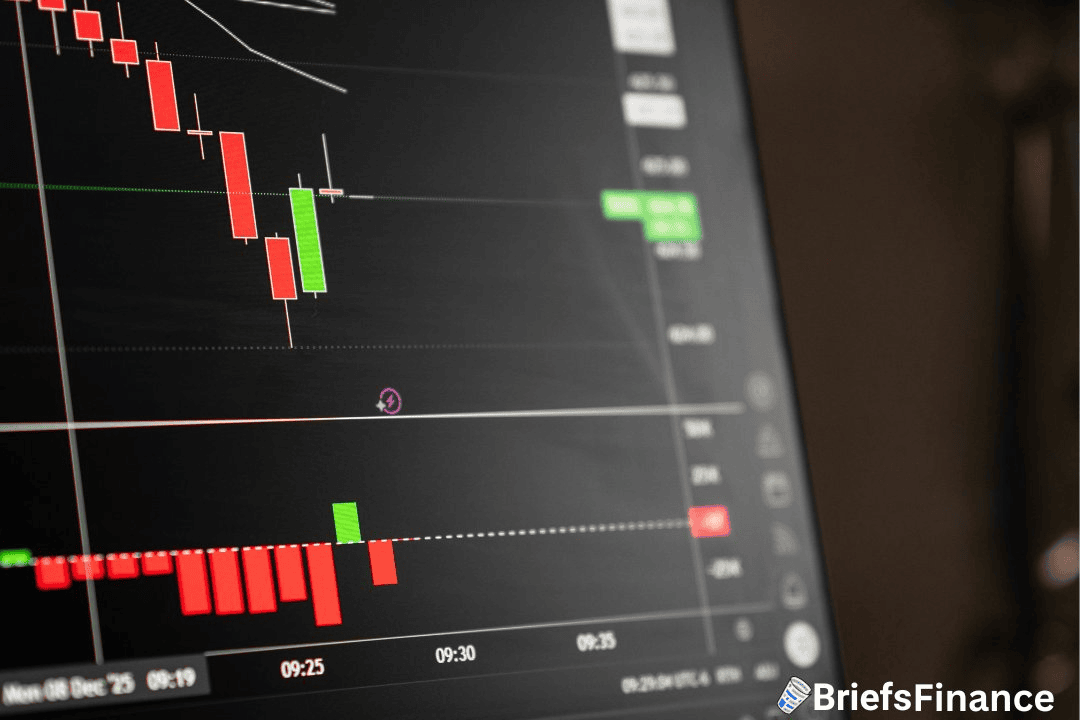
Every stock has an open price and a close price each day.
The open price is what the stock was trading for when the market opened in the morning.
The close price is what it was trading for when the market closed at the end of the day.
These two numbers show you how the stock moved over the course of a single trading session.
And they matter because news, earnings reports, economic data - all of these things can cause stocks to move during the day.
You'll hear this a lot in financial news: "In a single trading session, the S&P 500 dropped over 3%." That means within one day - from open to close - the market fell significantly.
Understanding market hours helps you plan when to watch, when to research, and when to execute trades.
What Happens When the Market Is Closed?
Stock prices don't technically move when the market is closed.
But the world doesn't stop:
- Company earnings get released.
- Government policy changes happen.
- Global events unfold.
All of that gets priced in when the market opens the next trading day.
That's why you'll sometimes see big jumps - or drops - right at the open.
The market is reacting to everything that happened while it was closed.
This is also why pre-market trading exists.
Investors who want to react to overnight news can start buying or selling before the 9:30 AM bell.
A Quick Note on Investing vs. Trading
Long-term investors don't need to watch the market every minute of every day.
The phrase "time in the market beats timing the market" is one of the most important concepts in investing.
97% of day traders lose money in the long run. Active traders underperform the market by 6.5%.
The data is clear - investors who buy and hold for the long term have historically built far more wealth than those trying to time every move.
So yes, know when the market opens.
But don't feel like you need to be glued to your screen from 9:30 AM to 4:00 PM. The best investors focus on owning great companies for years, not minutes.
The Bottom Line On The Stock Market Opening
The U.S. stock market opens at 9:30 AM Eastern Time and closes at 4:00 PM Eastern Time, Monday through Friday.
Pre-market starts at 4:00 AM ET, and after-hours trading runs until 8:00 PM ET.
If you're just getting started as an investor, the regular hours are all you need to focus on.
Open a brokerage account, fund it with what makes sense for you, and start learning what makes great companies tick.
Our analysts do that every week in Market Briefs Pro.
Watch this free podcast to learn exactly how we spot market shifts and potential investment opportunities before the rest of the market catches on.