Sapporo just told investors one of its growth markets has stopped working.
Sapporo Holdings, the Japanese drinks maker, said Thursday it has suspended exports of its Pokka brand of beverages to the Middle East. The reason is the war in Iran and what it's doing to demand across the region.
How The Iran War Hit Pokka's Mideast Plans
Pokka is Sapporo's tea, coffee, and lemon-drink brand, sold in roughly 60 countries with Southeast Asia and the Middle East as anchor regions. Both markets were supposed to keep growing for the next decade.
Sapporo said shipments to the Middle East are not expected to resume until October or later, which means this isn't a few-week disruption - it's a half-year hole in the export pipeline.
Why? Rising tensions involving Iran have hit demand across the region, and shipping disruptions through the Strait of Hormuz have made the Mideast a hard market to serve at any price.
We track how global conflicts ripple into corporate earnings every morning in Market Briefs - five minutes a day, with a free investing masterclass when you sign up.
Aluminum Costs Cut Q1 Profit By $6.3 Million
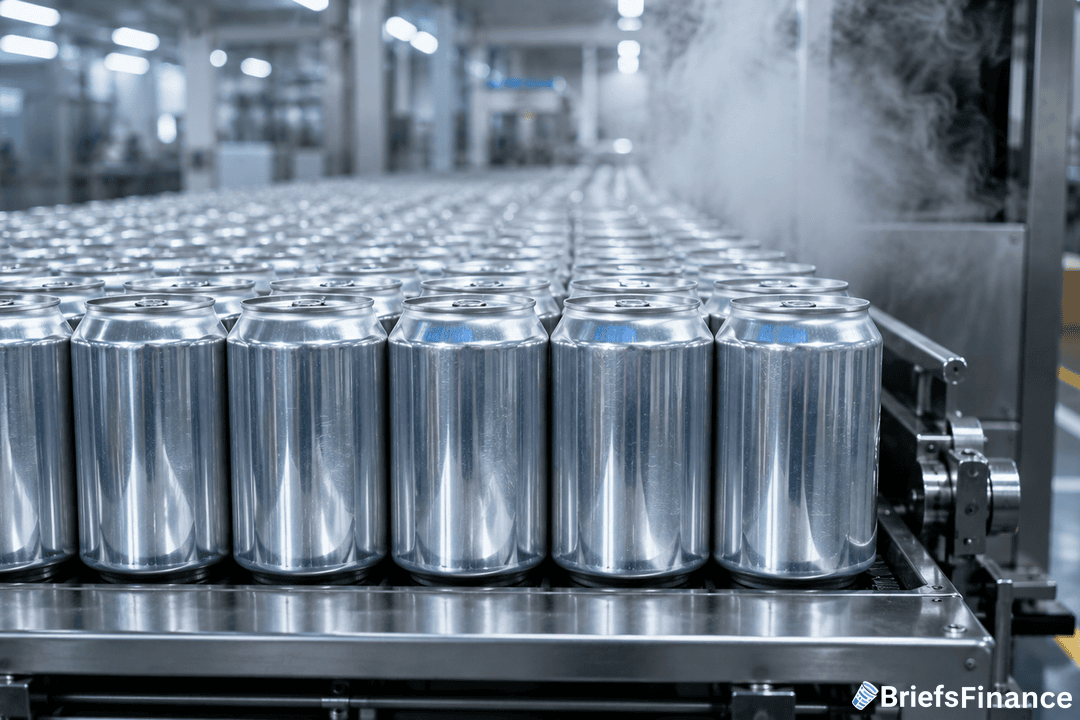
Sapporo also flagged the cost of making the cans themselves.
Rising raw material prices, especially aluminum, cut first-quarter operating profit by about 1 billion yen, or $6.33 million, according to a company spokesperson.
The company said it has so far absorbed that hit by raising prices on its products.
- Aluminum cans are one of the biggest single production costs for canned beverage makers, running 30-50% of unit cost for soft drinks.
Other Japanese Exporters Have Flagged Similar Issues
Sapporo isn't the first Japanese exporter to flag Middle East trouble this year. Mazda paused production for Mideast exports earlier this spring, and snack maker Calbee resorted to monochrome packaging after ink shortages from regional supply disruptions.
When 70% of food imports in the Gulf region get disrupted, even a tea brand has nowhere to send the trucks.
What To Watch
October is the date investors should circle, because if Sapporo's Mideast shipments are still paused past then, the company's full-year guidance is at risk.
Aluminum is the second story. Sapporo absorbed the first quarter through price hikes, but a full year of higher metal costs eventually shows up on the income statement no matter how many sticker updates roll through.
If you want this kind of read on a global earnings story every morning, sign up for Market Briefs and get a 45-minute investing course as a free bonus.