- A core-satellite portfolio splits investments into stable core holdings and higher-risk satellite picks.
- The core is usually 60% of the portfolio, with satellites at 40%.
- It blends passive index investing with active opportunity bets.

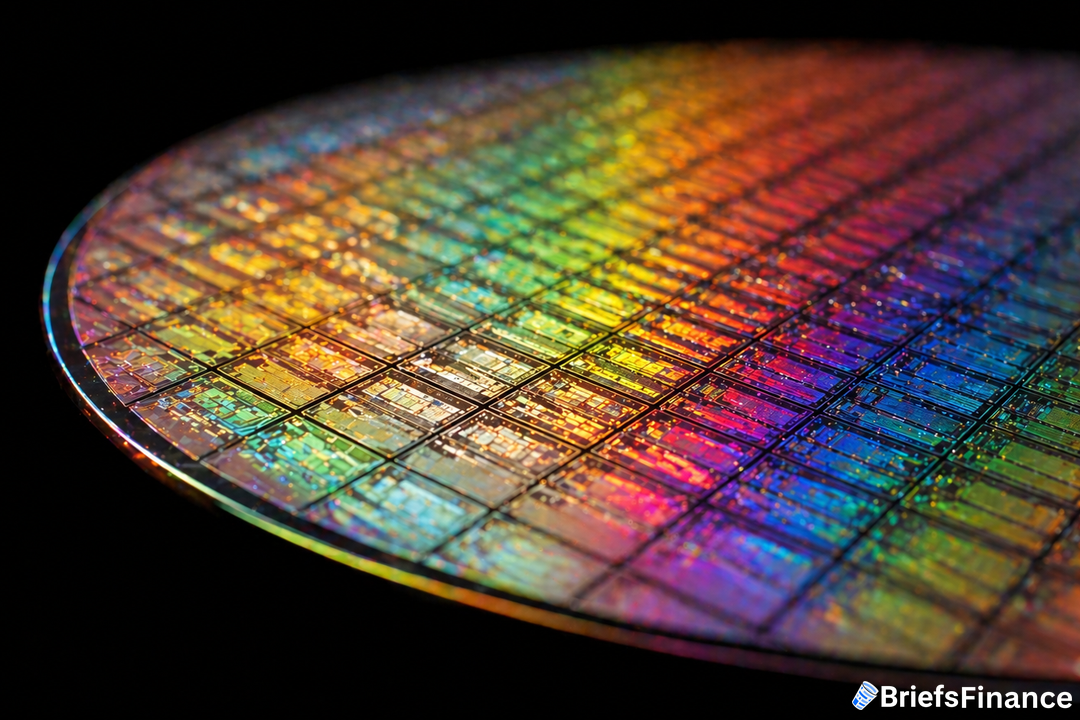
The family behind Samsung doubled its money in a year. They didn't build an AI app. They build the chips and machines that run AI.
That story repeats across the richest families in Asia, who together added more wealth this year than at any time since Bloomberg started tracking them.
Bloomberg published its 2026 ranking of Asia's 20 richest families on April 13, with the Lee family of Samsung jumping seven spots to third place.
Their fortune nearly doubled, going from $22.7 billion last year to $45.5 billion now. The driver was semiconductor demand from AI.
Samsung Chairman Lee Jae-yong has been at the front of the company's push into AI and robotics, and he met with OpenAI CEO Sam Altman and Nvidia CEO Jensen Huang during their visits to South Korea last year.
India's Ambani family kept the top spot for a second straight year with a fortune of $89.7 billion. They control Reliance Industries - India's largest oil and telecom company - and Jio Financial Services.
The Ambanis announced in February that they will invest $120 billion in AI-related infrastructure over seven years.
The Kwok family, behind Hong Kong's largest real estate developer Sun Hung Kai, came in second at $50.2 billion.
The Hyundai family popped back into the top 20 at 16th place after three years off the list, and they recently announced a 9 trillion won investment to build AI data centers, robot factories, and hydrogen plants in South Korea.
Bloomberg said AI was the central force lifting these fortunes, with one specific catch about which side of the AI economy.
"Asian tycoons are profiting not by creating AI itself, but by supplying the foundational resources such as metals, semiconductors, and infrastructure," Bloomberg reported.
The Zhang family, behind China's Hongqiao Group, may have benefited most, since Hongqiao stock rose nearly 200% last year. Aluminum is light, durable, and essential for AI servers and data centers - and for EVs and renewable energy projects.
Asia's top 20 families together hold $647 billion in wealth, which is a 16% jump from a year ago and the biggest annual increase since Bloomberg began compiling its billionaire index in 2019. The increase came while global stocks were in a correction during U.S.-Iran tensions.
Malin Tillman, a professor at IMD Business School in Singapore, said governments want AI infrastructure inside their own borders, adding that "these families are well-positioned to benefit from that trend."
That's the through-line. As countries try to keep data centers and chip factories at home, the families that already own those factories see their fortunes climb.
Investors looking for AI exposure outside the U.S. cap stack should watch the picks-and-shovels names - chip suppliers, aluminum producers, and industrial conglomerates. That's where Asia's wealthy are positioned, and that's where their gains are coming from.