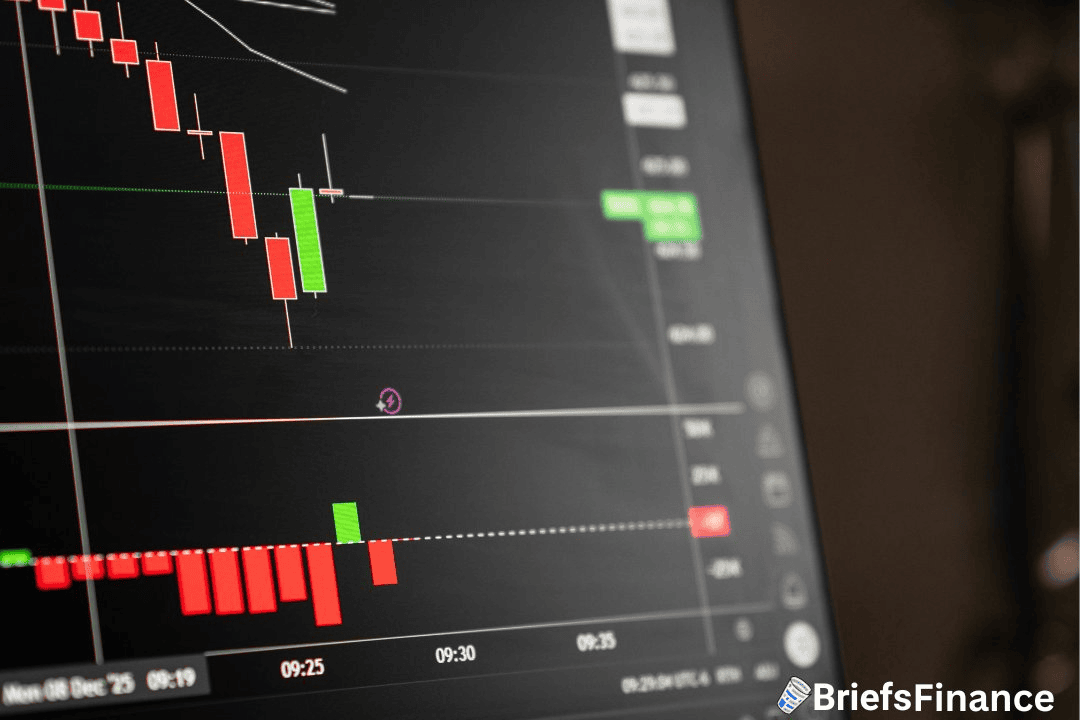
Day traders just got a major gift after the SEC eliminated the pattern day trader rule on April 14, which immediately sparked buying across retail trading platforms. The decision scrapped the $25,000 minimum balance requirement that blocked millions of retail investors from frequent trading, sending Robinhood soaring 10.41% as investors recognized the massive market opportunity unlocking.
The Rule That's Finally Gone
For three decades, the $25,000 PDT rule gatekept day trading to wealthy investors only, which meant someone with $15,000 could only execute a limited number of trades per week. This blunt instrument crushed the appeal for active traders with modest accounts and limited capital, forcing them toward buy-and-hold strategies regardless of their preferences.
The SEC replaced this one-size-fits-all mandate with a real-time intraday margin framework that lets brokers set their own standards for frequent traders. This much more flexible approach allows platforms to compete on margin requirements rather than facing a federal mandate, which unleashes innovation and lets smaller brokers undercut expensive competitors.
Who Wins and Who Loses
Robinhood becomes the primary beneficiary because the firm built its entire business model around making trading accessible to smaller accounts, after repeatedly messaging that democratizing finance means letting smaller investors access strategies previously reserved for professionals. Goldman Sachs made that call explicit in their analysis of market winners, citing Robinhood as the single largest beneficiary.
Competitor Webull also climbed 8.9%, recognizing that this rule change opens day trading to millions of smaller investors previously locked out of active trading strategies. Traditional brokers that charge higher margins may see customer defection to platforms with cheaper rates and lower margin requirements, which threatens their hold on retail trading volumes.
Market Implications Unfold
The rule change signals a broader shift toward technology and competition replacing government-imposed restrictions on retail investors, which represents a philosophical win for market deregulation advocates. Smaller traders now have access to strategies previously reserved for professionals, which could increase market volatility during trading hours as more participants attempt rapid-fire trading.
Robinhood's surge reflects investor recognition that the company's low-cost, accessible trading model suddenly applies to a vastly larger addressable market. The company can now acquire millions of new customers who previously couldn't afford the $25,000 minimum, which represents a sudden market expansion worth billions in potential revenue.
Worth Noting
The trend is clear - the SEC is letting technology and competition replace government-imposed minimum balance rules that protected incumbent brokers.