Rivian (RIVN) officially started production of its R2 SUV at its Normal, Illinois plant on Wednesday, just five days after an EF-1 tornado tore through the facility. That timeline makes the R2 launch one of the faster recoveries from a natural disaster in recent auto manufacturing history.
The R2 is Rivian's smaller, cheaper electric SUV, built to sit below the R1S and serve as the mass-market volume product that finally pulls the company toward profitability.
The Tornado Angle
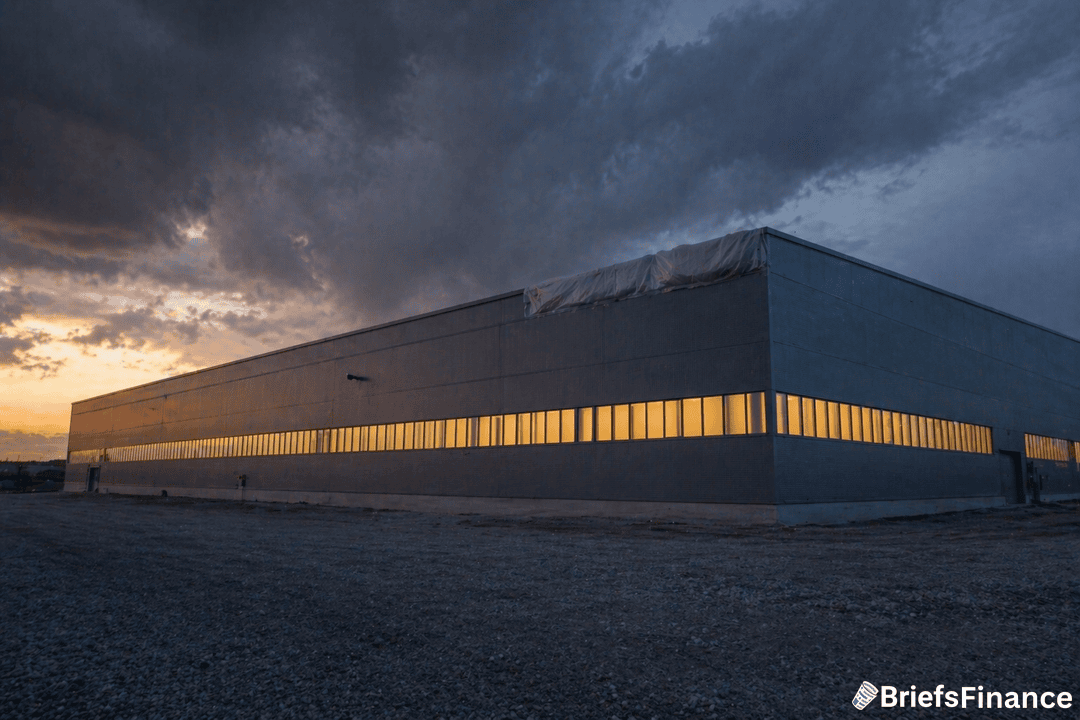
The EF-1 tornado hit the Normal plant on April 17, collapsing a section of roof in Building 2, which is where R2 operations are housed. For most automakers, a direct hit on the production line right before launch would push the timeline back by weeks.
Rivian held the schedule by rerouting some operations and keeping the affected section isolated while repairs move forward. That kind of execution matters for investors watching whether Rivian can finally prove it can scale.
Pricing and Launch Details
The first trim off the line is the Performance Launch Edition at $57,990. That is meaningfully above the $45,000 base price Rivian has promoted since the R2 was unveiled, because launch editions are always higher trims.
The delivery timeline:
- Customer deliveries begin this spring.
- TechCrunch reported June as the likely start for meaningful customer volumes.
- Lower-priced trims should enter the mix later this year.
The Uber Angle
Rivian also has an Uber partnership worth up to $1.25 billion for a robotaxi program centered on the R2. That adds a second revenue stream if Rivian can deliver on both production and autonomous driving.
The robotaxi angle is also why investors keep giving Rivian a higher valuation than the current volume justifies.
The Cash Flow Question
Rivian still has more than a year of cash on the balance sheet at current burn rates, but that is heavily dependent on ramping R2 deliveries smoothly. Every month of delayed volume tightens the financing picture heading into 2027.
Management has told investors that R2 should meaningfully improve gross margin by the end of 2026, as suppliers settle into contract pricing and manufacturing lines reach designed throughput. If that margin step-up shows up, Rivian buys itself significant runway without tapping capital markets.
What to Watch
Rivian has been burning cash for years, and the R2 is the product that has to bring in real volume and improve unit economics. The ability to hit the production date after a natural disaster is a clear operational win, but the $58,000 launch price is the part that could slow momentum.
If R2 deliveries ramp into summer and the mix shifts toward lower-priced trims by year-end, Rivian has a real shot at its first full year of positive gross margin.