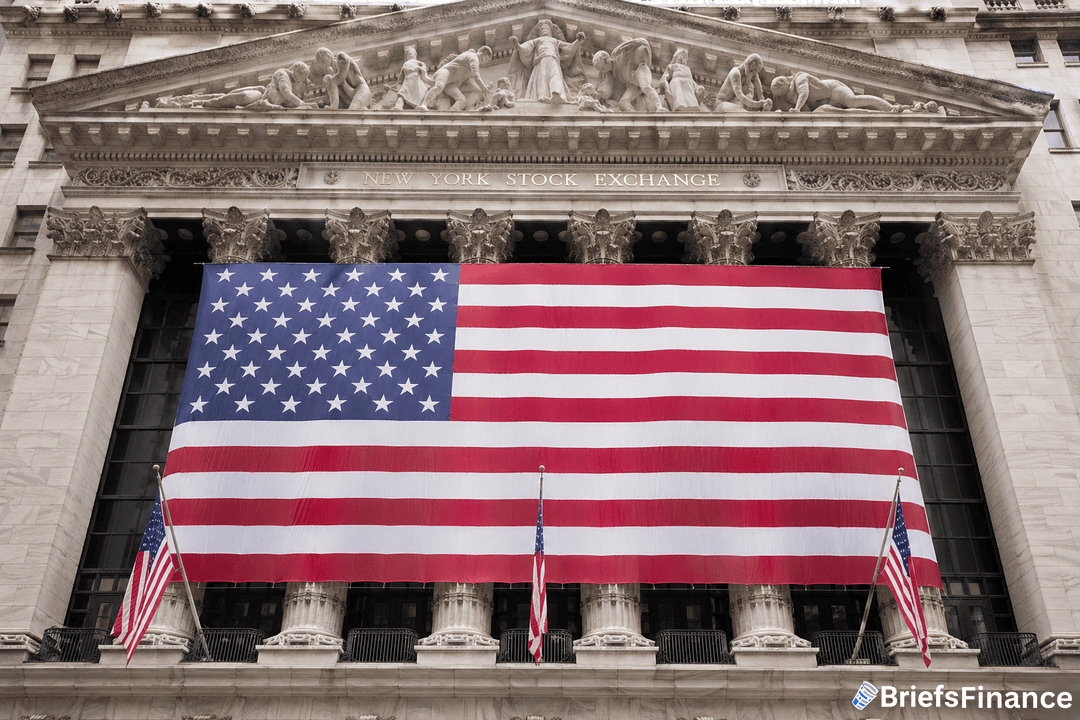
Bill Ackman has wanted to be Warren Buffett for a long time. Today he took his most concrete swing at it.
Pershing Square Capital Management raised $5 billion in a stock sale. The price came in at the low end of its $5-to-$10 billion target.
The same vision came with a $25 billion price tag two years ago. So the new deal is smaller by design and built around retail.
How The Deal Is Set Up
The IPO creates two NYSE tickers that trade on their own:
- PSUS is Pershing Square USA Ltd., a closed-end fund that holds the portfolio.
- PS is Pershing Square Inc., the firm that runs the money.
PSUS buyers also get bonus shares of PS. That ties the two together. Buyers can bet on either side, or both.
PSUS shares priced at $50. There are no fees on gains. The deal was set up so retail buyers got their full slice. They did not take the cut that retail buyers often get on big Wall Street IPOs.
"Hedge funds are sort of known for managing money for rich people. And now we have the opportunity for someone with $50, could be a long term shareholder," Ackman told CNBC. "Usually, the retail gets cut massively back, the institutions are favored. We did the opposite."
The Track Record Behind The Pitch
Pershing Square has been around for 22 years. Since 2004, the firm has returned more than 2,600% to its buyers after fees. The S&P 500 returned about 836% over the same span.
The headline trade is from early 2020. Ackman's team paid about $27 million for an insurance hedge tied to corporate debt. They did it just before Covid hit.
The hedge paid out about $2.6 billion in weeks. That is roughly 93 times what they put in. It cushioned losses across the rest of the fund.
The current fund holds 10 large-cap names. Amazon, Uber, and Brookfield are in the mix.
The Berkshire Pitch
Ackman has spent years pointing to Buffett's career as the blueprint. Private partners first. Then a long-term capital fund that did not need to chase short-term wins.
That second part is the real sell. Long-term capital is money the firm does not have to hand back on demand.
It lets Pershing Square hold its bets through market drops. The way a homeowner rides out a slow housing market.
Nobody can force them to sell at the bottom.
Ackman wants the Berkshire culture too, not just the structure. "We're gonna have investor days. We're gonna have an annual meeting, Berkshire Hathaway style, where people come, and they ask questions," he said.
The plan is to host yearly meetings in person. Buyers can ask Ackman about the fund and the picks face to face.
What To Watch
The first test is how PSUS trades against its asset value. Closed-end funds often slip to a discount once the IPO buzz fades.
The second test is whether retail buyers actually show up and stay.
The third test is the macro hedge book. Ackman built the firm on the idea that one good crash trade can pay for years of slower returns. The 2020 hedge proved it can work.
The next one will need to work too. The macro book is also why retail buyers may want in. It could shield them in a market drop.
Both tickers start trading today.