Plugging a new data center into the U.S. power grid takes years. Oracle just decided years was too long.
On April 13, the cloud giant nearly tripled its power deal with Bloom Energy. The new deal is for as much as 2.8 gigawatts of on-site fuel cell power.
That's enough power to run about 2 million homes - all of it going to AI data centers.
Bloom's stock jumped 22% on the news. Oracle climbed more than 4%.
Why Oracle Went Around The Grid
Hooking up a big new data center to the grid can take 2 to 3 years. Oracle is in a race to host AI work for OpenAI, xAI, and other clients that can't wait that long.
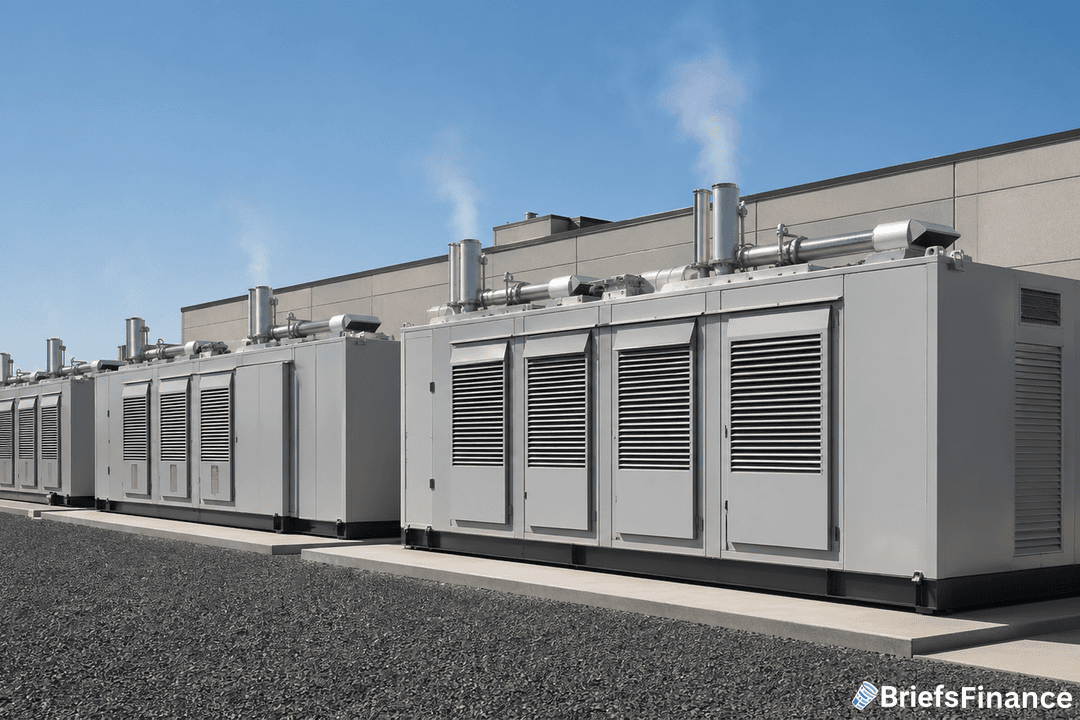
Bloom's fuel cells make power from natural gas. They use a chemical reaction instead of burning the gas.
The systems sit on-site, which means the data center isn't pulling from the public grid at all. That skips the wait.
Bloom set up the first system for Oracle in just 55 days. The first plan was 90 days.
Inside The Deal
The 2.8 gigawatt number is the cap on what Oracle can buy under the new deal. The 1.2 gigawatts on order is the firm part.
That power is rolling out at Oracle sites in the U.S. through 2027.
Bloom has booked about $7.65 billion in data center deals in the first 90 days of 2026. The Oracle deal is the biggest piece of that.
Other tech giants are doing the same thing. Amazon, Microsoft, and Google have all signed long-term power deals in the past 18 months.
Some signed with nuclear plants. Others signed with gas turbine makers.
The story is the same across all of them.
Why It Matters For Investors
The grid can't move fast enough for AI. So the buyers are bringing the power to the site instead.
That's a big shift in how power gets bought and sold.
Firms that make on-site power gear are landing big new deals. Bloom (BE) is one name.
GE Vernova (GEV) is another. Both have seen their stocks move on AI power news.
The longer the grid wait grows, the more buyers will go this route. That's a clear win for the gear makers.
What To Watch
Bloom's order book and Oracle's site rollout are the next signs to track. The 1.2 gigawatts on order now is the proof.
The other 1.6 gigawatts is the option Oracle holds if AI keeps growing the way both firms expect.
The grid wasn't built to deliver gigawatts on demand. The fuel cell makers can.
The hyperscaler shift to on-site power is also why the AI buildout has stayed on track. With the grid stuck in line, on-site gear like fuel cells is what keeps new sites coming online.
That dynamic isn't slowing down.
For investors not yet tracking the AI power story, the Oracle deal is a useful starting point. It shows where the cash is moving fastest and which firms are landing the biggest new contracts.