If you want to understand what you’re investing in, you […]

OPEC+ held an emergency meeting Sunday and voted to pump more oil. Markets shrugged.
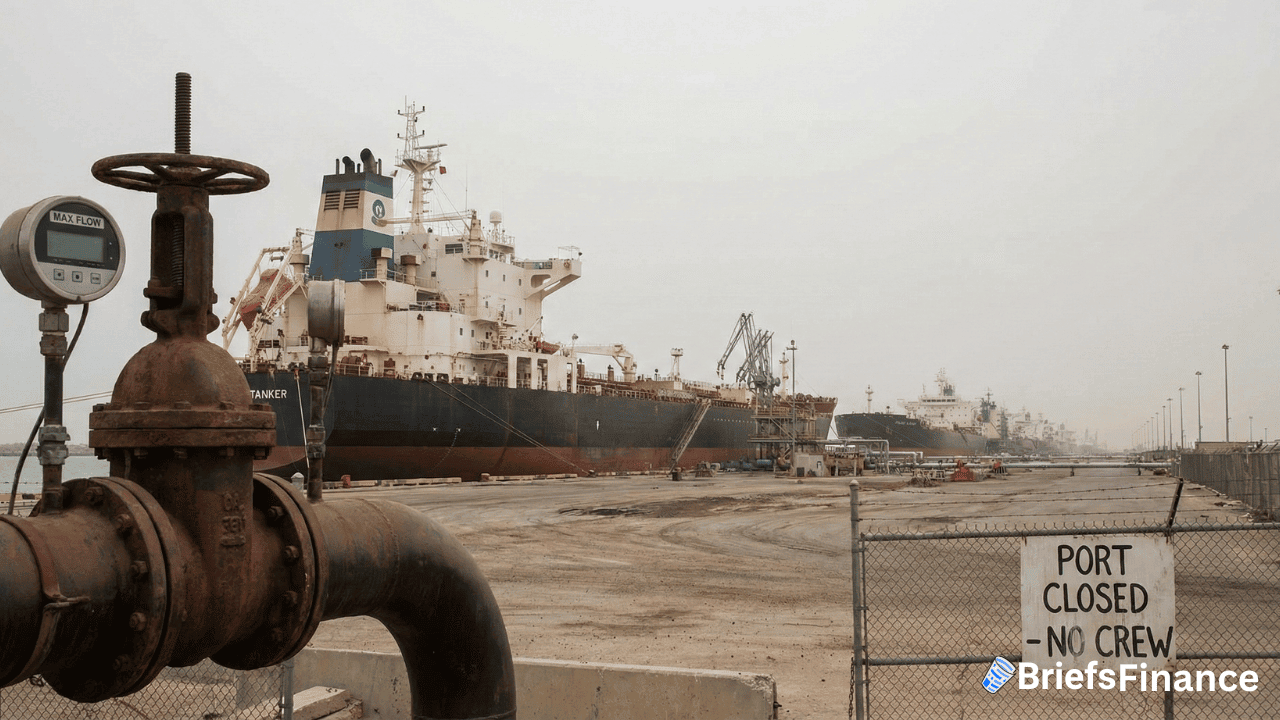
The day before, US and Israeli forces struck Iran. Iran struck back — and warned ships not to pass through the Strait of Hormuz, a 21-mile-wide waterway off Iran's coast that handles over 20% of the world's oil supply. Tanker traffic dropped roughly 70%. Hundreds of ships dropped anchor. Major carriers including Maersk and Hapag-Lloyd suspended all transit through the route.
OPEC+ responded Sunday by adding 206,000 barrels per day of new supply for April. It sounds like a lot. It's less than 0.2% of global daily demand — and most of it still needs to be loaded onto tankers in the Persian Gulf.
Jorge Leon, head of geopolitical analysis at Rystad Energy, put it plainly: "You can announce higher production, but if tankers face constraints in Hormuz, the physical market remains tight."
Brent crude jumped to around $80 a barrel over the weekend. Analysts at ICIS said prices could open "much closer to $100" if the strait stays effectively closed. Barclays and RBC are saying the same thing.
Alternative pipeline routes exist through Saudi Arabia and the UAE, but their combined spare capacity — about 2.6 million barrels per day — covers only a fraction of normal Hormuz flow. Citi's baseline call is that the conflict wraps in one to two weeks. If it doesn't, prices at the pump will feel it fast.
The only number that really matters right now isn't barrels produced — it's ships moving.
If you want to understand what you’re investing in, you […]
The Federal Reserve is an independent agency from our government […]
You know the drill: You got paid Friday. By Wednesday, […]
We live in a capitalist economy - that means the […]
The Old Defense Playbook Is Broken For the last decade, […]
Most investors are watching AI stocks and interest rates. But […]
Here’s the reality - being financially successful typically has nothing […]
Think of a company like a pie. (you can pick […]
Whether you’re a beginner or advanced investor you need to […]
Where Does the Name "Blue Chip" Even Come From? Stock […]