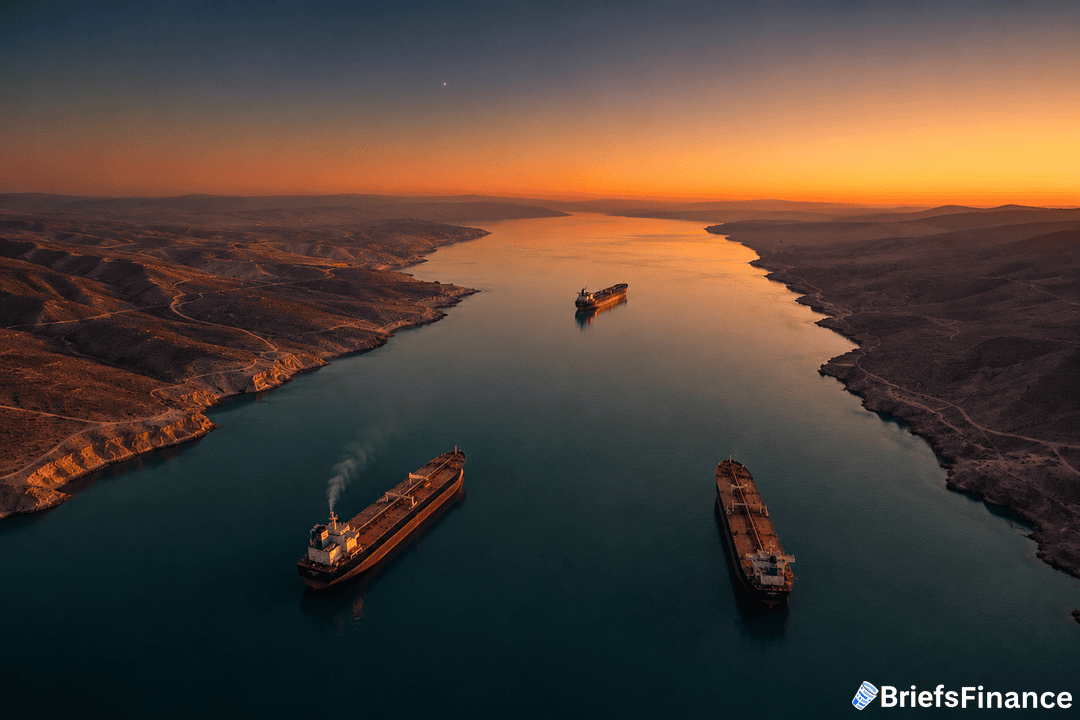
The world's biggest oil and gas execs spent the past two weeks on earnings calls saying the same thing in different ways. The energy market that exists after the Iran war won't look like the one before it.
The headline number tells you why. Iran's blockade of the Strait of Hormuz has wiped out close to a billion barrels of supply. The gap grows every day the waterway stays shut.
The Shift From Talking Point To Top Priority
Energy security has been a buzzword for years. CEOs at SLB, Baker Hughes, Halliburton, and Exxon all said the same thing this earnings season: it's now a real budget line.
Halliburton CEO Jeffrey Miller said energy security is "no longer simply a talking point." Baker Hughes CEO Lorenzo Simonelli went further. He said the shock will drive structural change across the entire energy landscape.
The new playbook the CEOs described has three parts:
- More spending on oil drilling and production.
- Ongoing money for low-carbon options like geothermal, nuclear, and grid upgrades.
- Built-in backup so no single chokepoint can take the whole system down.
If you want the read on how Wall Street is actually playing the energy story, Market Briefs breaks it down each weekday morning, and a free investing masterclass comes with the sign-up.
The U.S. Becomes The Default Supplier
Asian economies have been the most exposed. They depend heavily on the Middle East for crude oil and liquefied natural gas, or LNG, which is the super-cooled form of natural gas shipped on tankers.
With Hormuz closed, those buyers are scrambling.
Diamondback Energy CEO Kaes Van't Hof said U.S. crude oil has never been more important to global supply. U.S. crude exports have hit record highs during the war.
Exxon CEO Darren Woods said governments are now reassessing their entire energy security plans. The goal is to avoid the same exposure later.
The pricing picture has flipped, too. Halliburton's Miller said oil markets had been pricing in a surplus this year. Now they're pricing in a deficit.
SLB CEO Olivier Le Peuch said oil prices will stay high even after the war ends. That will pull more investment into deepwater and offshore projects in Africa, the Americas, and Asia.
Le Peuch flagged Africa as one of the most compelling long-term opportunities, given a large base of oil and gas reserves not yet built out.
What To Watch
The next test is what happens to global oil inventories - the stockpiled oil that countries and companies hold as a buffer. Simonelli said the rebuild won't just hit pre-war levels. It will overshoot them.
That has two effects on markets. Oil demand stays stronger for longer than the basic supply-and-demand math would suggest. Service companies like SLB, Baker Hughes, and Halliburton get a multi-year tailwind on drilling.
The energy security era didn't start last week. The CEOs just made it official.
Join 350,000+ investors getting Market Briefs every weekday morning, and a 45-minute investing course gets thrown in when you sign up.