Nickel just jumped 2.6%. The reason isn't a strike, a mine collapse, or a sanction.
It's that aluminum makes more money right now.
China's biggest nickel maker is moving power away from nickel and toward aluminum. The metal market is taking note.
What Tsingshan Just Did
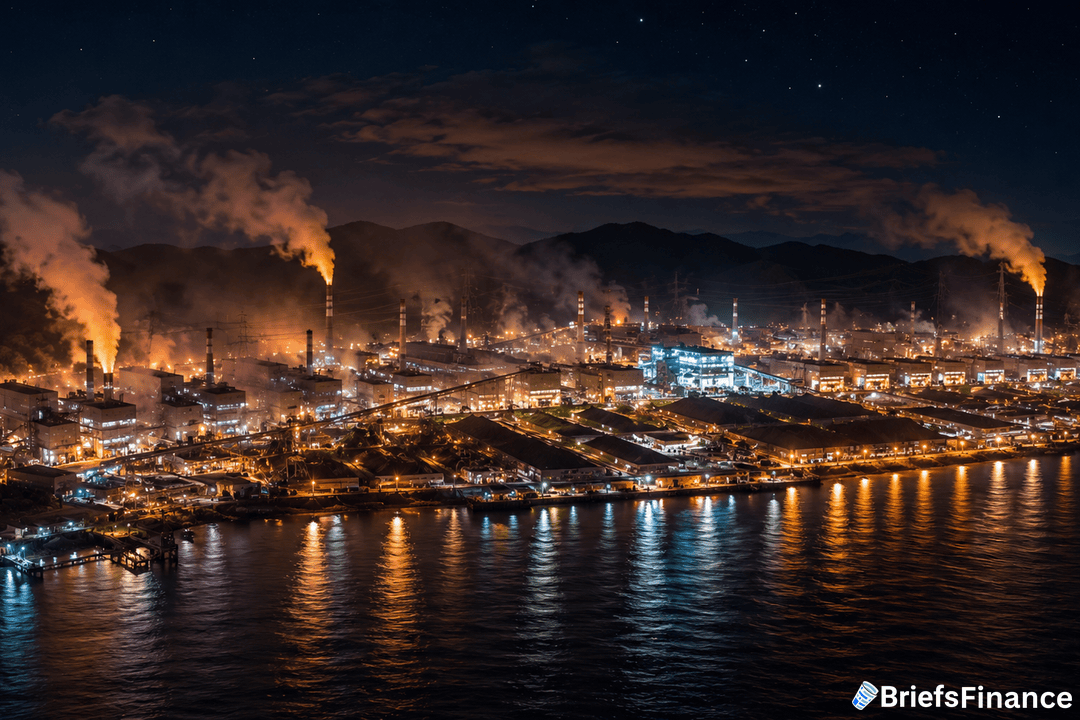
China's Tsingshan Group asked nickel pig iron makers at Indonesia's Weda Bay site to start cutting output in June. Weda Bay isn't a small site. It runs over 700,000 metric tons of yearly NPI capacity across 22 plants.
The cut isn't because the world stopped wanting nickel. It's because Tsingshan is moving power from those 22 nickel plants to a single aluminum plant on the same site.
Quick translation: NPI, or nickel pig iron, is the low-grade nickel used to make stainless steel. It's also very power-hungry to produce.
For more on the moves that shift metal prices, check out Market Briefs. It's a five-minute read every weekday, plus a free investing masterclass when you sign up.
The Aluminum Math
Aluminum is just as power-hungry as NPI. Both pull huge loads off the grid, so the choice comes down to margins.
What's changed is the price. Aluminum has rallied this year, which pushed margins much wider for those plants.
NPI margins, by contrast, run below 10%. When the same power can make either metal, the higher-margin one wins.
And in a place like Weda Bay, power is a shared pool. More for aluminum means less for nickel.
Why Investors Should Care
Nickel goes into stainless steel and EV batteries. A supply cut at the world's biggest source ripples through every industry that depends on it.
LME nickel futures hit $19,050 per ton after the news. That's just the start. About 10-15% of high-grade NPI capacity at Weda Bay is set for paused upkeep over the coming months, which means the supply squeeze could get worse before it gets better.
For EV makers, stainless-steel firms, and anyone else buying nickel, supply just got tighter without any change in demand.
The chain reaction: Tighter nickel means higher costs for stainless-steel makers, which gets passed to anyone buying stainless. It also means higher input costs for battery makers, which feeds into EV pricing.
The EV Angle
Many EV batteries use nickel in the cathode, especially the higher-energy NMC type. EV makers like Tesla and Ford have struck supply deals with nickel producers to secure that flow.
Higher nickel prices can squeeze profit on those batteries, or get passed to buyers at the dealer. Either way, the new cuts at Weda Bay add more pressure to an EV industry that's already fighting for margins.
What To Watch
Tsingshan and Xinfa are partners on a new 250,000-ton aluminum plant at Weda Bay. That's the project pulling the power.
If aluminum prices stay high, expect more nickel capacity to get squeezed. And watch the LME for more sharp moves on any fresh news from the site.
For a daily read on how moves like this affect your portfolio, sign up for Market Briefs and you'll also get a free investing course as a sign-up bonus.