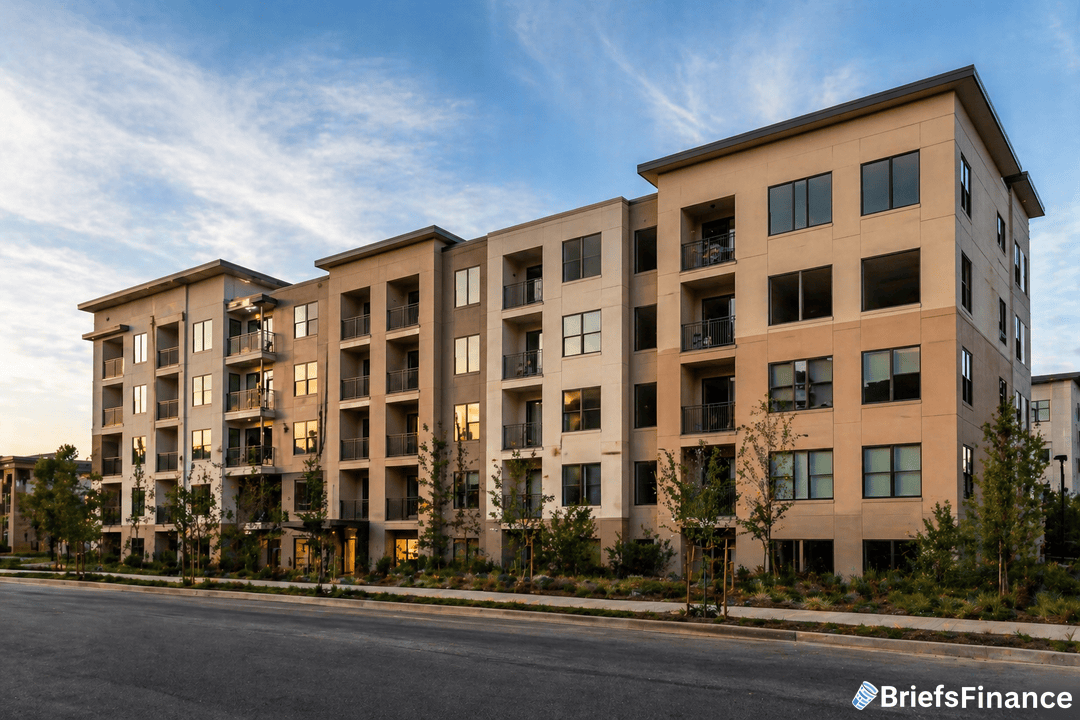
For the first time in years, renters are negotiating from the front foot.
Nearly 40% of rental listings on Zillow now include some form of concession - usually a free month, waived application fees, or perks like parking - as landlords work to fill units, and national asking rents are up just 1.8% year over year, the slowest pace since 2020. The average U.S. rent sits near $1,910.
Why The Market Just Cooled
Build a lot of new apartments and you eventually run out of tenants to fill them, which is roughly the story of the past 12 months. Multifamily construction had its biggest year since 1986 in 2024, with 608,000 units completed, and that supply is still being absorbed even as rental vacancy rates have lifted off the unusually tight post-pandemic levels.
A second source of supply matters too. Homeowners who locked in mortgages around 3% in 2021 don't want to sell into today's 6.2% rates, so many are renting their houses out instead, putting more units on the market than landlords expected.
The result: rent growth has slowed enough that the share of income the median household spends on rent fell from 29.4% to 26.5% over the past year, easing affordability pressures meaningfully.
Where Renters Are Actually Saving
The relief isn't evenly spread, but it is broad: concession rates are up year over year in 30 of the 50 largest metros, according to Zillow. The exceptions are predictable, with New York City rents up 4.2% year over year, Manhattan open houses drawing 20-plus people for the same listing, and San Francisco running similarly tight.
In most other markets, the math has shifted. Brokers on the ground say the most common concession is a free month on a 12-month lease plus waived application fees, and renters who ask for the free month upfront tend to get it.
Why This Matters For Investors
The slowdown isn't just a story for renters - it's a real signal for landlords, REITs, and anyone with exposure to multifamily housing. Slower rent growth squeezes net operating income for apartment owners and weighs on the rents that REITs use to project cash flow into next year.
The rental component of CPI - which has been one of the stickiest parts of inflation - should also follow lower over time, which matters for the Fed's rate path. A softer shelter print could give the central bank more room to cut later in 2026 if inflation keeps cooling.
What To Watch
The window may not stay open long. Building permits, the leading indicator for future construction, peaked in 2022 and have been falling since - meaning fewer new units, and likely fewer concessions, in 12 to 24 months.
Renters using leverage now are negotiating into a market that probably won't look this generous next year.