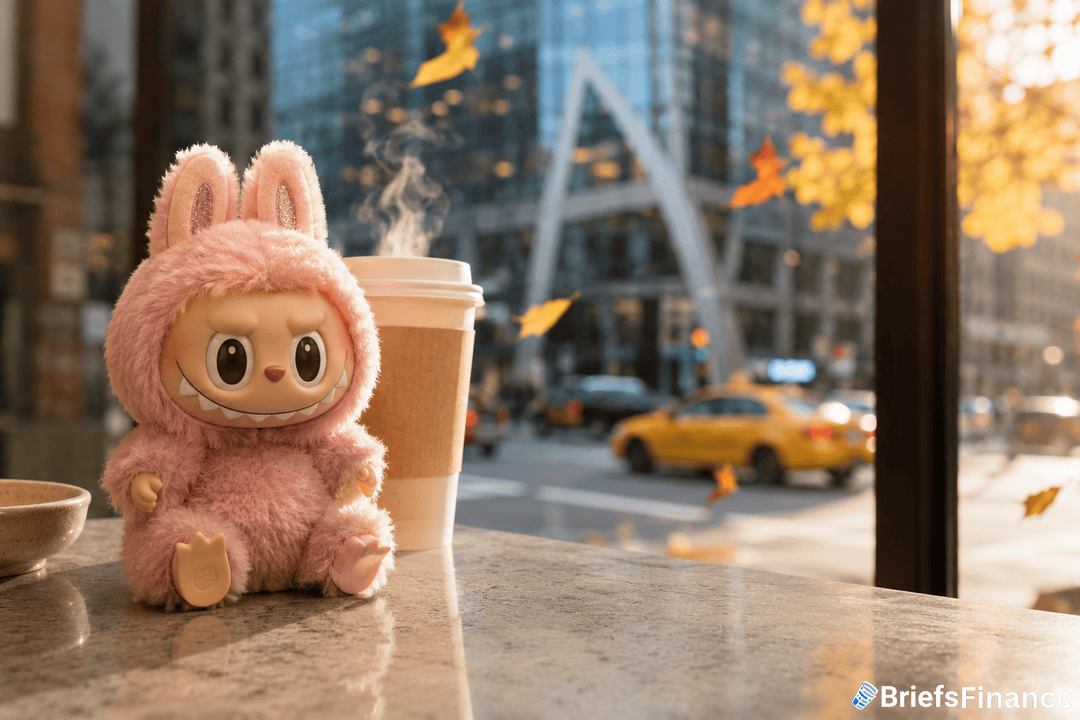
For decades China was where global brands made their stuff, but now China is where the brands themselves are coming from - and this batch isn't trying to win on price.
Luckin Coffee is opening US stores, Pop Mart's Labubu plushies rode a float in the Macy's Thanksgiving Day Parade, and Li-Ning is paying NBA players to wear its sneakers. The new race for American wallets is on, and Starbucks and Nike are the names in the crosshairs.
A New Kind Of Chinese Brand
The pitch this round is different than the Shein and Temu wave, which won on cheap prices and fast shipping. The new players want design, identity, and a spot on the shelf next to LVMH.
Pop Mart has built a collector cult around its plush toys, while LVMH CEO Bernard Arnault reportedly visited Songmont's Shanghai store and bought two handbags, according to Bloomberg. Tea chain Chagee, gold jewelry brand Laopu, and Songmont are doubling down on Chinese aesthetics, a look TikTok now calls "China-maxxing."
Other brands are running the opposite play, playing down where they're from and trying to feel global from day one. Both approaches are working so far, which is what has Western incumbents nervous.
In five minutes a day, Market Briefs breaks down moves like this for investors, and you get a free investing masterclass thrown in when you sign up.
What Makes This Wave Different
Past Chinese expansion plays mostly fizzled, from Anbang's Waldorf Astoria buy to AMC's run with Wanda money. This time the companies are leaner because of brutal price wars at home, which Beijing calls "involutionary" competition.
Shein is on track for about $2 billion in profit in 2025 despite stiff US tariffs, according to Bloomberg, which shows the operating muscle Pop Mart and Luckin are bringing overseas.
"They are already a major threat," Nirgunan Tiruchelvam, head of consumer and internet at Aletheia Capital, told Business Insider.
Why this is different in one line: the new brands ship with a story, not just a low price. Pop Mart sells a character, Songmont sells a look, and Chagee sells a ritual, none of which earlier Chinese exporters had on their side.
The political wall is still real, with US tariffs on Chinese EVs raised to 100% under Biden in 2024 and proposed pharmaceutical tariffs threatened as high as 250%. Yet once a brand catches on TikTok, regulation tends to move slower than the algorithm, which is why the threat to US incumbents is showing up in stores before it shows up in policy.
What To Watch
Pop Mart shares already lost more than 30% in April on worries the company leans too hard on Labubu, with the rout wiping about $33 billion off its market cap per Bloomberg. That's the real test, because cool fades fast but brand stays.
The next signals investors are watching are whether Luckin posts strong US store numbers and whether Songmont or Chagee can hold premium pricing the way Korean beauty did a decade ago. If either works, the "Made in China" sticker stops being a discount tag and starts being a status one.
If you want a daily read on where consumer dollars are rotating, join 350,000+ investors getting Market Briefs and you'll also get a 45-minute investing course thrown in as a bonus.