Free NewsletterPro Login

Kevin Warsh Clears Most Partisan Fed Chair Vote Ever

Published Apr 29, 2026
Share:
Summary:
  • The Senate Banking panel voted 13-11 on party lines to advance Trump's pick to lead the Fed.
  • It is the first time the panel has split fully on party lines on a Fed chair pick.
  • The full Senate is set to vote the week of May 11, days before Powell's term ends on May 15.

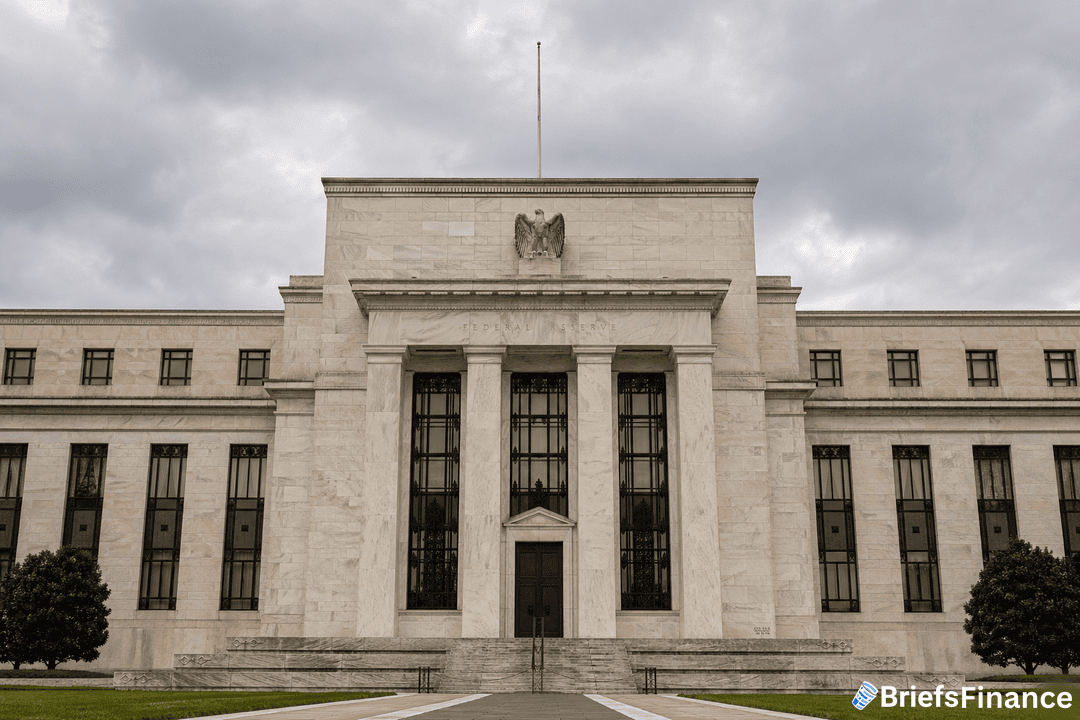
Kevin Warsh just cleared his first Senate vote. The split was the most partisan a Fed chair pick has ever faced in the Banking panel.

Every GOP member voted yes. Every Democrat voted no. The vote came hours before what may be Powell's last rate call as Fed chair.

What Just Happened

The 13-11 vote sends Trump's Fed pick to the full Senate. Sen. Elizabeth Warren, the panel's top Democrat, said it was the first vote of its kind in the panel's history.

"The Trump economy is in real trouble. Inflation is up, job creation is down. The stink of stagflation is in the air, and President Trump is getting desperate," Warren said before the vote.

The Fed chair pick has worked like a jury for years. Both sides had to sign off, even if only just. That tradition is now broken.

Why now: Every Fed chair pick before this one had at least some bipartisan support.

How Warsh Got Through

The vote almost went a different way. The DOJ had opened a probe into Powell tied to a multi-billion dollar renovation of the Fed's main building.

Sen. Thom Tillis is a GOP senator on the panel. He vowed to block Warsh unless the DOJ dropped the probe.

Trump backed the probe. He kept backing it even after a federal judge blocked grand jury subpoenas from U.S. Attorney Jeanine Pirro.

Pirro vowed to appeal as recently as last Wednesday. Two days later, she said the DOJ would drop the case.

Tillis flipped his vote to yes. Warren says the fight is not over because Pirro asked the Fed's watchdog to keep looking, which Warren says "leaves the door wide open" for the case to come back.

"I've got confidence that this investigation is over," Tillis said after the vote.

The Bigger Fight Behind The Vote

The standoff between Trump and Powell goes beyond a single rate move. Trump has spent months pushing Powell to cut rates harder.

The Fed has held its slow approach as the main point of friction. Powell said in a January note that the DOJ probe was tied to the rate fight.

He said the White House was going after him because of the Fed's calls on rates.

The Fed has stayed slow for two reasons. Inflation has not fully cooled, and the Iran war has pushed up energy prices in ways the Fed cannot fully predict.

What Comes Next

The full Senate is set to vote the week of May 11. Warsh needs only a simple majority. The GOP holds 53 seats, so the math works without any Democratic help.

He may pick up help anyway. Sen. John Fetterman, a Pennsylvania Democrat, told Semafor he plans to vote yes.

Even if it is a GOP-only vote, it will still be the most partisan Fed chair vote in the modern era.

If Warsh gets the job, he could be sworn in before Powell's term ends on May 15.

What To Watch

For investors, the politics matter less than the next rate move. Powell has held the line on a wait-and-see approach.

He cites sticky inflation and Iran-war oil shocks. Warsh has signaled he is more open to faster cuts.

His first rate call as chair could come within weeks.

Disclosure

Get Market Briefs delivered to your inbox every morning for free!

No fluff. No noise. No politics. Just finance news you can read in 5 minutes.

Blogs

April 28, 2026
Core-Satellite Portfolio: The Best of Both Worlds
  • A core-satellite portfolio splits investments into stable core holdings and higher-risk satellite picks.
  • The core is usually 60% of the portfolio, with satellites at 40%.
  • It blends passive index investing with active opportunity bets.

Read More
April 28, 2026
Bond Ladder Strategy: The Income Plan With Built-In Flexibility
  • A bond ladder is a series of bonds with staggered maturity dates, often one to five years apart.
  • It gives you regular access to cash, predictable income, and protection from rate changes.
  • It works for Treasuries, corporate bonds, municipal bonds, and CDs.
Read More
April 28, 2026
Silver vs Gold Investing: Which One Belongs in Your Portfolio?
  • Gold is the stable store of value, used as crisis insurance during recessions and conflict.
  • Silver is both a precious metal and an industrial metal, with more volatile pricing.
  • Most investors hold a mix in their alternative investment allocation, often 5% to 12% of portfolio.
Read More
April 28, 2026
What Is a Dividend Reinvestment Plan? The Wealth Snowball Explained
  • A dividend reinvestment plan, or DRIP, automatically uses dividend payments to buy more shares.
  • DRIPs power compound growth - dividends buy shares that pay dividends that buy more shares.
  • Most brokerages offer DRIPs free, and many include fractional shares so every penny goes back in.
Read More
April 28, 2026
How Tariffs Affect the Stock Market
  • Tariffs are extra fees on goods imported into a country, and they hit company profit margins.
  • The S&P 500 dropped over 3% in one day after the 2025 tariff announcement.
  • Tariffs reshape trade flows, creating both losers and unexpected winners.
Read More
April 28, 2026
What Is a 13F Filing? The Smart Money Tracker
  • A 13F filing is a quarterly disclosure of stock holdings from large institutional investors.
  • It shows what hedge funds and asset managers bought, sold, and held last quarter.
  • You can find any 13F free on SEC EDGAR.
Read More
April 28, 2026
Debt-to-Equity Ratio: The Number That Tells You If a Company Is Drowning
  • The debt-to-equity ratio compares what a company owes to what shareholders own.
  • The formula is total liabilities divided by total shareholder equity.
  • Lower ratios mean less risk - one of the value markers Warren Buffett looks for.
Read More
April 28, 2026
Non-Financial Analysis of Stocks: The 4-Step Method
  • Non-financial analysis evaluates a company's business, not its financial ratios.
  • It covers four things: business model, CEO, innovation, and moat.
  • It's how investors find companies with long-term staying power.
Read More
April 28, 2026
SEC EDGAR Tutorial: The Free Tool the Pros Use
  • SEC EDGAR is the official free database of public company filings.
  • You can pull 10-Ks, 10-Qs, 8-Ks, and insider trades by ticker or company name.
  • It's the source journalists and analysts use to write their stock stories.
Read More
April 28, 2026
How to Read a 10-Q (Without Losing Your Mind)
  • A 10-Q is a public company's three-month financial update, filed with the SEC.
  • It shows revenue, profits, debt, and cash flow between yearly reports.
  • You can find any company's 10-Q for free on the SEC's EDGAR site.
Read More
1 2 3 18
Share via
Copy link