Investing is not a one size fits all approach. Some […]

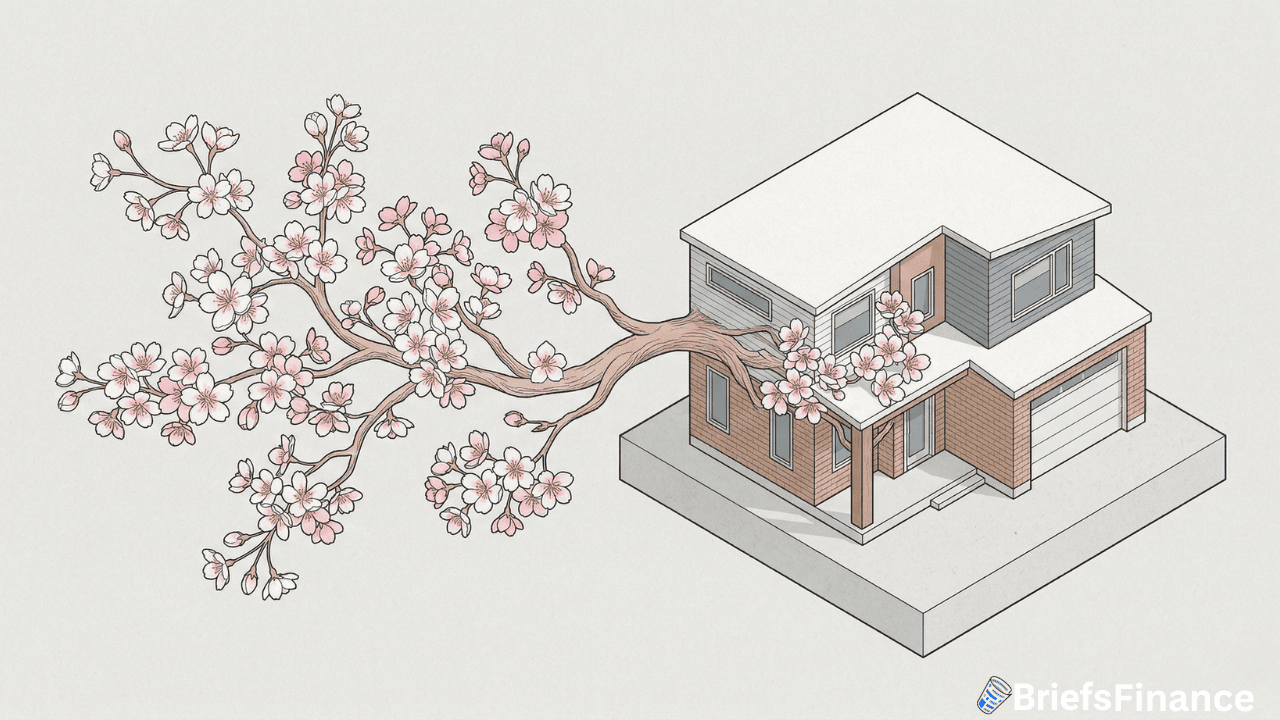
The U.S. housing market is cooling off. Mortgage rates are keeping buyers away, new homes are sitting unsold, and most builders are hitting the brakes.
Japanese construction giants are doing the opposite. They're spending billions to get bigger in America - right now, during the slowdown.
Japan's birth rate has dropped nearly every year over the last ten years. The country is getting older fast, and there simply aren't enough young families to keep domestic builders busy.
So Japan's largest construction companies went shopping overseas. And the U.S. - with its massive housing shortage and growing population - became the top target.
Since 2020, Japanese firms have picked up 23 American home builders. That's more than double the pace from the prior seven years.
Throw in apartment developers and building supply companies they've also grabbed, and the footprint gets even larger.
John Burns, who runs a major housing research firm, put it simply: Japanese companies think in decades, not quarters.
Two deals tell the story.
Sekisui House paid $4.9 billion for M.D.C. Holdings in 2024 - a publicly traded builder ranked in the top 20 nationally. That single purchase made Sekisui America's sixth-biggest builder overnight.
Then in February, Sumitomo Forestry - a company that's been around for centuries - agreed to buy Tri Pointe Homes for $4.5 billion. Tri Pointe builds around 5,000 houses a year.
When that deal closes, Sumitomo jumps to number five on the list.
No other foreign buyers - not from Canada, not from Australia - have come close to matching this kind of commitment.
Here's what gives Japanese buyers an edge in every bidding war: interest rates back home are still near zero.
That means they can borrow for less and bid higher than American competitors chasing the same targets. According to Margaret Whelan, whose investment bank has brokered several of these transactions, Japanese firms came out on top in over half of the builder acquisitions her team handled.
They've even outbid the two biggest U.S. builders - Lennar and D.R. Horton.
Rather than sitting on what they've bought, some Japanese-backed companies are pushing into markets that everyone else has abandoned.
JPI, a large apartment developer that Sumitomo acquired in 2023, is actively pursuing new projects in cities like Austin, Denver, Charlotte, and Phoenix. Rents in those places have dropped, and most competitors have packed up.
JPI's bet is straightforward - grab market share now so you own a bigger piece when rents bounce back.
JPI's finance chief, Mollie Fadule, said the long-term mindset of their Japanese parent company is exactly what lets them keep investing when others can't.
The management playbook matters here. When Japanese firms buy an American builder, they tend to leave the existing leadership alone and let the company run itself.
That hands-off approach has made them attractive buyers for founders looking to cash out without losing control.
Meanwhile, Sekisui House is quietly introducing some of Japan's factory-built construction methods to its U.S. operations - mostly for higher-end homes. If that approach catches on more broadly, it could reshape how homes get built in America.
Japan is betting that the U.S. housing shortage isn't going away. Given the numbers, they're probably right.
Investing is not a one size fits all approach. Some […]
Everyone with an internet connection is using AI to better […]
You just opened your first brokerage account and you’re ready […]
Everyone knows AI needs chips. For a while, investment dollars […]
When you get your first, “real” job, it often comes […]
Most investors hear the word "options" and picture a Wall […]
Most of us grew up being taught the same thing: […]
Gold has been around longer than any stock market, any […]
Most people think the only way to make money in […]
The stock market is like any other business - it’s […]