Wars are usually measured in military losses, but Iran's war is also being measured in grocery receipts. The rial is collapsing, food prices have more than doubled, and millions of jobs have vanished since February.
The International Monetary Fund projects the economy will shrink
another 6.1% this year on top of damage from the first year of the conflict, and the Strait of Hormuz is now a shipping crisis layered on top of the military one.
The Currency Crash
Iran's rial has fallen to roughly 1.32 million per US dollar on the black market, where most ordinary transactions actually clear. The official rate is stronger, but very few Iranians have access to it.
That gap between the official and market rate is itself a measure of how broken the currency system has become. A collapsing currency does two things simultaneously.
It makes every imported good more expensive, which feeds directly into household inflation. And it destroys savings, because rial held in a bank account today is worth meaningfully less tomorrow.
Both effects are now showing up in the IMF's projections, which forecast 68.9% overall inflation and 6.1% economic contraction in 2026.
The Food Crisis
Food inflation is running at 105% year over year. Bread and cereals are up 140%.
Meat and poultry are up 135%. Oils and fats are up 219%.
Households that were getting by a year ago now can't afford the staples that make up most of their weekly spending. Two million jobs have been lost since February, adding a labor-market shock to the inflation shock.
Together, those numbers describe a collapse in household purchasing power that's happening faster than most sanctions-driven crises have unfolded historically. The scale: Food inflation above 100% is unusual outside of full-blown hyperinflation episodes.
Iran isn't there yet, but the core inflation trajectory suggests the gap is narrowing.
The Hormuz Chokepoint
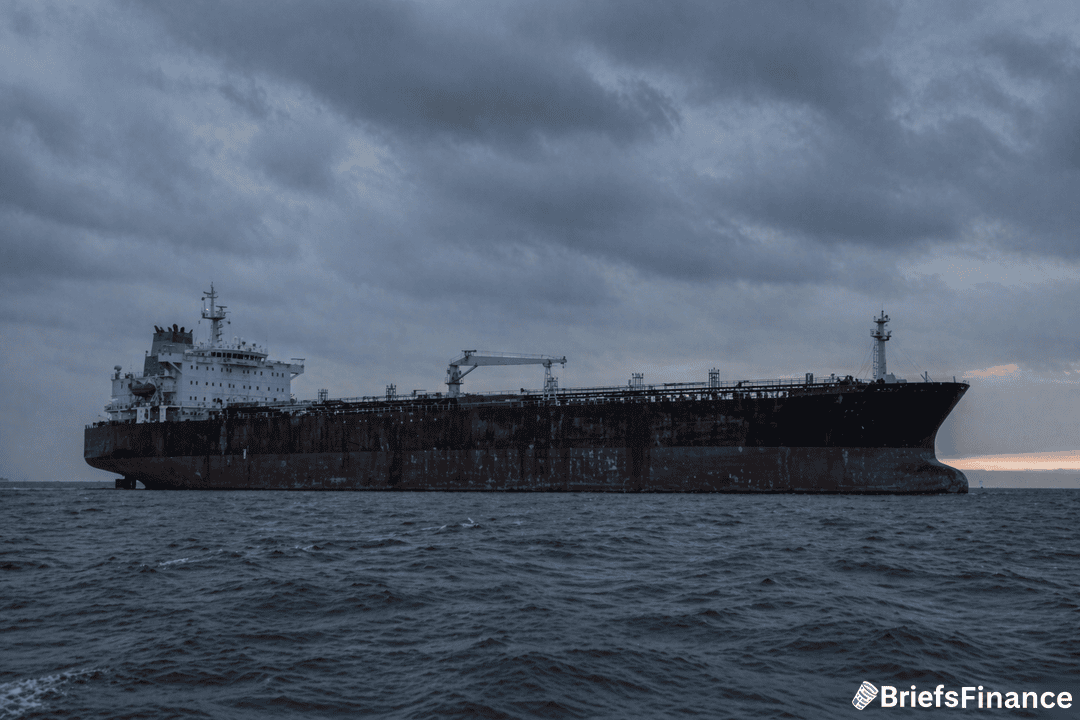
Roughly 20% of the world's oil and gas shipments move through the Strait of Hormuz, along with more than 90% of Iran's own annual trade. That gives Iran significant leverage, and it gives the rest of the world a direct reason to care about what happens there.
Iran closed the strait again on April 18 after the US refused to lift its naval blockade, and on April 23, President Trump ordered the US Navy to destroy any Iranian boats laying mines in the waterway. The standoff has now become a shipping crisis stacked on top of the existing military one, and every passing week raises the risk of a direct naval clash.
Iran's broader war strategy has shifted toward economic damage. Strikes on neighboring countries' energy infrastructure, combined with Hormuz disruption, spread the pain beyond Iran's own borders and push global oil prices higher.
That mechanism is what's making this war visible in gas pumps and grocery stores thousands of miles from the conflict zone.
What To Watch
A ceasefire framework is the only near-term path to economic stabilization. Without it, the IMF projections are likely to be revised lower rather than higher.
Watch for any opening in US-Iran talks, though the latest round broke down before it began. For global investors, the oil market is the clearest transmission channel.
Brent crude above $100 a barrel keeps US inflation elevated and puts pressure on the Federal Reserve to maintain higher interest rates. That connection is why the Iran economy story matters for portfolios that have nothing directly to do with the Middle East.